What Is the Most Comprehensive Book About Coffee? (2026 Comparison)
No single coffee book wins on every axis, but four titles lead on comprehensiveness: The Complete World of Coffee (broadest single-volume coverage), The World Atlas of Coffee (origins and varietals), The Physics of Filter Coffee (brewing science depth), and Coffee: Growing, Processing, Sustainable Production (production detail). This article compares them across breadth, depth, page count, sourcing, and currency, and helps you match a book to the gap in your knowledge.
Key Takeaways
- "Most comprehensive" describes scope, not quality, and no single coffee book wins on every axis.
- The Complete World of Coffee by Keith E. Lyons is the broadest single-volume option covering history, craft, and science.
- The World Atlas of Coffee by James Hoffmann is the most frequently recommended all-encompassing guide, strongest on origins and varietals.
- The Physics of Filter Coffee by Jonathan Gagné is cited as the most up-to-date, science-backed coffee book, but it is narrow in scope.
- Uncommon Grounds by Mark Pendergrast is listed as the best coffee history book.
No single coffee book wins on every axis, but four titles lead on comprehensiveness: The Complete World of Coffee (broadest single-volume coverage), The World Atlas of Coffee (origins and varietals), The Physics of Filter Coffee (brewing science depth), and Coffee: Growing, Processing, Sustainable Production (production detail). This article compares them across breadth, depth, page count, sourcing, and currency, and helps you match a book to the gap in your knowledge.
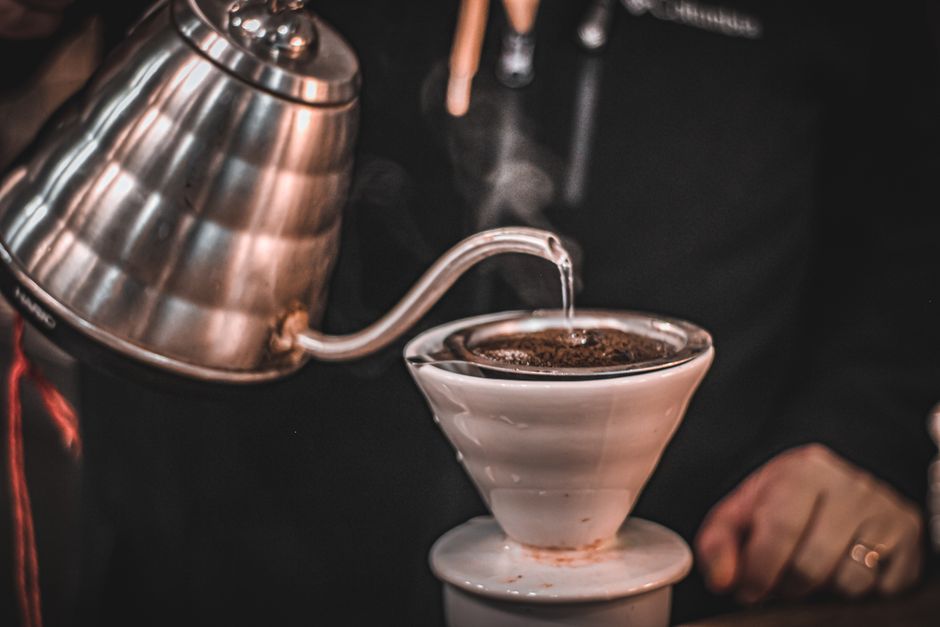
"Most comprehensive" is a question of scope, not quality. No single coffee book wins on every axis, but the strongest candidates are the ones that cover coffee from farm to cup rather than specializing in one stage. The leading contenders include The Complete World of Coffee by Keith E. Lyons, The World Atlas of Coffee by James Hoffmann, The Physics of Filter Coffee by Jonathan Gagné, and Coffee: Growing, Processing, Sustainable Production by Jean Nicolas Wintgens. The rest of this article compares them using five criteria: breadth of subject coverage, depth per subject, page count, sourcing, and currency.
Table of Contents
- What does "comprehensive" actually mean for a coffee book?
- Which coffee books cover the widest range of subjects?
- Which coffee books go deepest on the science of brewing?
- Which coffee books are best for history and culture?
- Which coffee books work best for beginners versus reference readers?
- Where can you find the most comprehensive coffee book as a PDF or digital edition?
- How should you choose between the leading comprehensive coffee books?
- Key Takeaways
- References
What does "comprehensive" actually mean for a coffee book?
Comprehensiveness means coverage across the full chain: history, botany, origins, processing, roasting, sensory science, brewing, water, equipment, and culture. A book that treats all of these subjects in one volume is rare, because most coffee books choose a lane and stay in it.
Breadth and depth are different measures. A book can be wide but shallow, touching many topics without going far into any of them. Another can be narrow but exhaustive, spending hundreds of pages on extraction physics while ignoring history and culture. According to Low Key Coffee Snobs, different books serve different readers precisely because of this trade-off.
Page count is a rough proxy for scope but not a measure of quality. A 1,000-page production manual may be dense but narrow, while a 600-page general reference may cover more ground. Structure and density matter as much as length. The right answer depends on whether the reader wants a reference shelf, a brewing manual, or a science text, as Batch Coffee notes in its breakdown of coffee book categories.
No single book is objectively the best. The sources reviewed here use inconsistent criteria and rarely compare the same titles head to head. A reader looking for a single-volume reference will make a different choice than one looking for a deep dive into water chemistry or a narrative history.
Which coffee books cover the widest range of subjects?
The broadest single-volume option for readers who want history, craft, and science together is The Complete World of Coffee by Keith E. Lyons, according to Lyons Den Publishing. The book is structured as a 600-plus page reference spanning coffee history, origins, cultivation, varieties, processing, roasting, sensory science, brewing, extraction, water, equipment, and specialty coffee culture.
The World Atlas of Coffee by James Hoffmann is an all-encompassing guide, strongest on origins and varietals. Low Key Coffee Snobs recommends it for serious coffee nerds, while Batch Coffee describes it as better for deep technical knowledge about coffee origins and varietals. The Way to Coffee calls it an all-encompassing guide to the world of coffee.
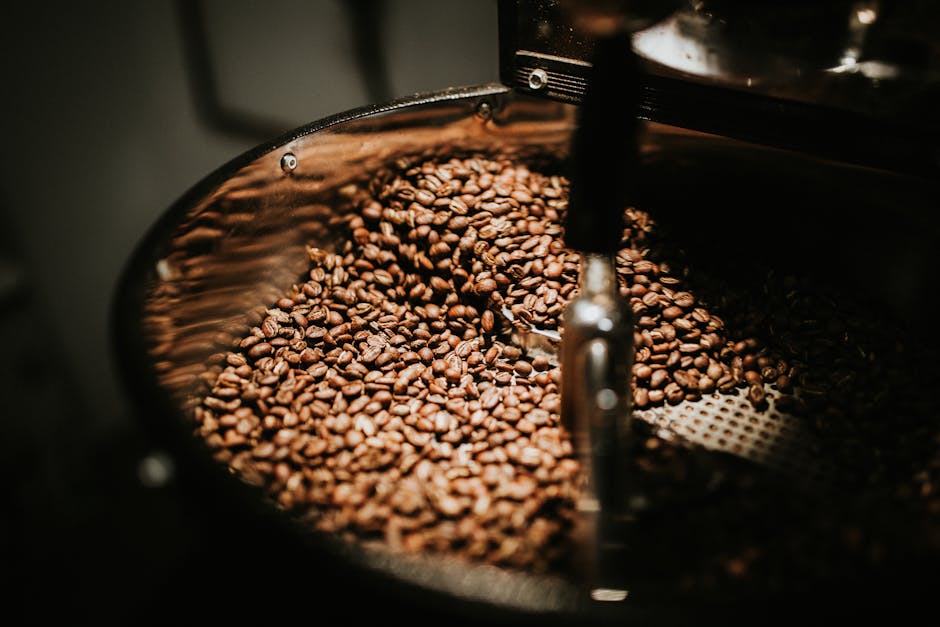
Coffee: Growing, Processing, Sustainable Production by Jean Nicolas Wintgens runs nearly 1,000 pages but stays focused on production rather than brewing or culture, according to The Way to Coffee. The World Encyclopedia of Coffee spans history, culture, and recipes, including coffee-based foods and drinks, as Amazon's listing describes.
Enjoying this article?
Get weekly coffee insights delivered to your inbox.
The Complete World of Coffee
615 pages of evidence-based coffee education · $75.00
The trade-off is consistent across these titles. Wide-coverage books tend to summarize technical subjects, while narrow books go deeper on fewer topics. A reader who wants one book that touches everything will accept less depth per subject than a reader who wants a specialist text.
Which coffee books go deepest on the science of brewing?
The Physics of Filter Coffee by Jonathan Gagné is described on Reddit as "just about the most up to date, science-backed book you can find on coffee." That description is specific and qualified, but it points to the book's real position: a deep, technical treatment of extraction and brewing physics.
Kofio also lists The Physics of Espresso by Gagné, extending the same approach to espresso. Both titles assume a reader comfortable with physics and math. They are deep but not broad, and they do not attempt to cover history, culture, or production in any meaningful way.
The Complete World of Coffee by Keith E. Lyons covers extraction and water science in accessible language as part of a wider scope, according to Lyons Den Publishing. That makes it a different kind of resource: a general reference that explains technical concepts without requiring a scientific background, rather than a specialist text that goes further into the underlying physics.
The distinction matters. A reader who wants to understand why a brew tastes the way it does may prefer the accessible treatment. A reader who wants to model extraction mathematically will find Gagné's books more useful.
Which coffee books are best for history and culture?
Uncommon Grounds by Mark Pendergrast is listed as the best coffee history book by Batch Coffee. It is a narrative history of coffee's role in global trade, politics, and culture, and it is frequently cited as the standard work in the field.
Coffee: A Global History by Jonathan Morris is a shorter academic-style history, published in 2018 and running 176 pages, according to The Way to Coffee. It is a concise alternative for readers who want a scholarly overview without the length of Pendergrast's book.
Coffee: A Dark History by Anthony Wild suits history buffs, while Coffee Life in Japan suits culture enthusiasts, according to Low Key Coffee Snobs. The Monk of Mokha is narrative nonfiction rather than reference, useful as context but not as a comprehensive source.
The Complete World of Coffee by Keith E. Lyons also treats history and global coffee culture as core sections rather than side topics, according to Lyons Den Publishing. That places it in a different category from the specialist histories: it covers the same ground as part of a wider reference, but with less room for the depth a dedicated history book provides.
Which coffee books work best for beginners versus reference readers?
Craft Coffee by Jessica Easto straddles beginner and intermediate levels and focuses on home brewing, according to Low Key Coffee Snobs and Smiling Coffee Snob. It is a practical manual, not a full-chain reference.
How to Make the Best Coffee at Home by James Hoffmann was released in 2022 and is organized into six sections: How to Buy Great Coffee, The Essentials for Great Coffee, How to Taste Coffee, How to Brew Great Coffee, Iced Coffee and Cold Brew, and How to Make Great Espresso, according to The Way to Coffee. Barista Magazine describes it as a guide for both professionals and amateurs.
The Coffee Dictionary by Maxwell Colonna-Dashwood is primarily a reference book for coffee terms, according to Low Key Coffee Snobs and Smiling Coffee Snob. The New Rules of Coffee by Jordan Michelman and Zachary Carlsen offers 55 rules across four parts as an introduction to modern coffee culture, according to Commonly Coffee and Smiling Coffee Snob.
None of these titles aim for full-chain coverage. They are entry points, not comprehensive references. A beginner who reads one of them will learn to brew well, but will not find a systematic treatment of processing, roasting science, or coffee history.
Where can you find the most comprehensive coffee book as a PDF or digital edition?
Most comprehensive coffee references are print-first, so digital availability varies by title. Some publishers offer ebook editions, but many of the older or more specialized titles exist only in hardcover or paperback.
The Complete World of Coffee by Keith E. Lyons is available from Lyons Den Publishers in a digital edition for immediate download after purchase, plus standard and limited hardcover editions, according to Lyons Den Publishing. The digital edition is priced at $18.99 and is delivered instantly after purchase. The limited edition is priced at $54.99 until October, then $70, and the standard edition carries identical interior content without the dust jacket, foil, or numbering.
Unauthorized PDF copies of any coffee book circulate online and are not legitimate sources. They are often incomplete, outdated, or altered, and they do not support the authors and publishers who produce the work. Readers looking for a digital reference should use the publisher's own edition rather than a file-sharing site.
How should you choose between the leading comprehensive coffee books?
Match the book to the gap in your knowledge. A reader who wants a full-chain overview should look at The Complete World of Coffee or The World Atlas of Coffee. A reader who wants brewing science should look at The Physics of Filter Coffee. A reader who wants production detail should look at Coffee: Growing, Processing, Sustainable Production. A reader who wants history should look at Uncommon Grounds.
Consider format and budget. Digital editions suit reference use and searchability, while hardcovers suit shelf reference. The Complete World of Coffee digital edition is $18.99, while the hardcover editions are $54.99 and $55, according to Lyons Den Publishing. Other titles vary by retailer and edition.
Check publication dates, since coffee science and origin data shift over time. A book published a decade ago may still be useful for history, but its treatment of processing methods or varietals may be outdated.
Treat any single "best" claim skeptically. The sources reviewed here use inconsistent criteria and rarely compare the same titles head to head. Low Key Coffee Snobs, Batch Coffee, and The Way to Coffee each recommend different books for different purposes, and none of them ranks the same title first across every category.
A practical approach is one broad reference plus one specialist text for the area you brew or work in most. That combination covers more ground than any single book can, and it respects the reality that comprehensiveness and depth pull in different directions.
Key Takeaways
- "Most comprehensive" describes scope, not quality, and no single coffee book wins on every axis.
- The Complete World of Coffee by Keith E. Lyons is described as the broadest single-volume option covering history, craft, and science.
- The World Atlas of Coffee by James Hoffmann is the most frequently recommended all-encompassing guide, strongest on origins and varietals.
- The Physics of Filter Coffee by Jonathan Gagné is cited as the most up-to-date, science-backed coffee book, but it is narrow in scope.
- Coffee: Growing, Processing, Sustainable Production runs nearly 1,000 pages but focuses on production rather than brewing or culture.
- Uncommon Grounds by Mark Pendergrast is listed as the best coffee history book.
- Most comprehensive coffee references are print-first, though The Complete World of Coffee is available as an instant-download digital edition from Lyons Den Publishers.
References
- 11 Best Books About Coffee We've Found in 2026, Low Key Coffee Snobs
- Books on coffee?, Reddit
- Best Coffee Books, Batch Coffee
- The Best Books About Coffee, The Way to Coffee, 2026-08-06
- Top 5 Coffee Books For Beginners, Smiling Coffee Snob, 2023-04-13
- New James Hoffmann Book Review, Barista Magazine
- What is the best comprehensive book about coffee history and science?, Lyons Den Publishing
- The World Encyclopedia of Coffee: The Definitive Guide To..., Amazon
- Books about coffee, Kofio
- 7 Books Every Coffee Lover Needs To Read, Commonly Coffee, 2020-02-21
Key Takeaways
- 1."Most comprehensive" describes scope, not quality, and no single coffee book wins on every axis.
- 2.The Complete World of Coffee by Keith E. Lyons is the broadest single-volume option covering history, craft, and science.
- 3.The World Atlas of Coffee by James Hoffmann is the most frequently recommended all-encompassing guide, strongest on origins and varietals.
- 4.The Physics of Filter Coffee by Jonathan Gagné is cited as the most up-to-date, science-backed coffee book, but it is narrow in scope.
- 5.Uncommon Grounds by Mark Pendergrast is listed as the best coffee history book.
FAQ
Sources
- 1.Low Key Coffee Snobs, 11 Best Books About Coffee We've Found in 2026
- 2.Reddit, r/Coffee: Books on coffee?
- 3.Batch Coffee, Best Coffee Books
- 4.The Way to Coffee, The Best Books About Coffee (2026)
- 5.Smiling Coffee Snob, Top 5 Coffee Books For Beginners (2023)
- 6.Barista Magazine, How to Make the Best Coffee at Home review
- 7.Lyons Den Publishing, What is the best comprehensive book about coffee history and science?
- 8.Amazon, The World Encyclopedia of Coffee listing
- 9.Kofio, Books about coffee
- 10.Commonly Coffee, 7 Books Every Coffee Lover Needs To Read (2020)
Further Reading
- →Best comprehensive book about coffee history and science
- →Best books about specialty coffee
- →Choosing the right specialty coffee book
- →Ultimate specialty coffee book comparison
Written by
Keith E. Lyons
Specialty coffee author, educator, and founder of Lyons Den Publishing. Author of The Complete World of Coffee.