Reference Library
The Coffee Encyclopedia
A continually expanding, expertly researched reference covering coffee origins, varieties, brewing methods, processing, science, history, and culture. Completely free to explore.
496
Articles
59
Origins
69
Varieties
34
Brewing Guides
All Entries
251 Coffee Encyclopedia Entries
Every published term, definition, and concept — grouped by category and fully searchable.
Origins & Geography
9 entriesAltitude
Altitude is the elevation at which coffee is grown, measured in meters above sea level. Higher altitude generally produces denser, more complex, and more acidic coffee. Arabica is typically grown at 800 to 2,000 meters, while Robusta at 0 to 800 meters.
Also: elevation, SHG, SHB
Origins & GeographyCameroon Coffee
Cameroon produces both Arabica and Robusta coffee, with its most distinctive Arabica grown in the western highlands around the Boyo plateau and the Java variety among its signature lots.
Also: Cameroon Boyo coffee, Java variety Cameroon, Cameroonian coffee
Origins & GeographyCoffea Arabica: The Specialty Coffee Species Explained
Arabica coffee (Coffea arabica) is a species of coffee plant native to the highland forests of Ethiopia and South Sudan. It is the most widely cultivated coffee species worldwide, accounting for approximately 60 to 70 percent of global coffee production. Arabica is prized for its complex flavor, refined acidity, and aromatic diversity, producing notes ranging from floral and citrus to chocolate and caramel depending on origin, variety, and processing.
Also: Coffea arabica, Arabica coffee, Coffea arabica L.
Origins & GeographyCoffea Robusta: The Hard-Body Coffee Species Explained
Robusta coffee (Coffea canephora) is the second most cultivated coffee species after Arabica, accounting for approximately 30 to 40 percent of global coffee production. Native to sub-Saharan Africa, Robusta is hardier, more disease resistant, and grows at lower elevations than Arabica. It contains roughly twice the caffeine of Arabica and produces a heavier body, lower acidity, and more bitter cup profile.
Also: Coffea canephora, Robusta coffee, Canephora
Origins & GeographyCoffee Cherry
The coffee cherry is the fruit of the coffee plant, a small round drupe that ripens from green to red (or sometimes yellow or orange) when ready for harvest. Each cherry typically contains two coffee seeds (beans) arranged face to face, though occasional single-seed cherries produce what are known as peaberries. The cherry consists of skin (exocarp), pulp (mesocarp), mucilage, parchment (endocarp), silver skin, and the seed itself.
Also: coffee fruit, coffee berry, cascara fruit
Origins & GeographyEthiopian Coffee: The Birthplace of Arabica Coffee
Ethiopia is widely considered the birthplace of coffee, where the Coffea arabica plant originated in the highland forests of the southwest. Ethiopia remains one of the world's top coffee producers, known for extraordinary genetic diversity, distinctive regional cup profiles, and processing traditions that date back centuries. Regions like Yirgacheffe, Sidamo, Guji, and Harrar produce some of the most sought-after specialty coffees in the world, prized for their floral, citrus, and tea-like characteristics.
Also: Ethiopian coffee, Yirgacheffe, Sidamo
Origins & GeographyHarvest Season
<p>The coffee harvest season represents the culmination of a biological cycle beginning with anthesis (flowering), triggered by significant rainfall following a period of dormancy. For <i>Coffea arabica</i>, the duration from blossom to physiological maturity typically spans seven to nine months, while <i>Coffea canephora</i> (Robusta) requires nine to eleven months. Geographically, harvest cycles are dictated by the movement of the Intertropical Convergence Zone (ITCZ), which influences precipitation patterns. In Northern Hemisphere regions such as Ethiopia, Guatemala, and Vietnam, the primary harvest occurs between October and March. Southern Hemisphere producers, notably Brazil and Peru, harvest from May to September. Equatorial regions, including Colombia and Kenya, often experience two distinct flowering periods, resulting in a primary harvest (main crop) and a secondary harvest known as the 'fly crop' or <i>mitaca</i> in Colombia.</p><h3>Harvest Methods and Ripeness</h3><p>Precision during this period is vital; harvesting under-ripe (green) or over-ripe (black/raisin) cherries introduces chemical defects. Selective hand-picking, common in specialty production, involves workers manually selecting only cherries with a Brix sugar concentration typically ranging from 18% to 25%. Conversely, strip picking and mechanical harvesting—prevalent in the flat Cerrado regions of Brazil—collect all cherries simultaneously, requiring post-harvest electronic color sorting to remove defects. The following table compares primary harvesting methods:</p><table><thead><tr><th>Method</th><th>Labor Intensity</th><th>Ripeness Uniformity</th><th>Common Origins</th></tr></thead><tbody><tr><td>Selective Picking</td><td>High (3-5 passes)</td><td>Superior</td><td>Ethiopia, Colombia, Central America</td></tr><tr><td>Strip Picking</td><td>Moderate</td><td>Low (requires sorting)</td><td>Brazil, Vietnam</td></tr><tr><td>Mechanical Harvesting</td><td>Low</td><td>Low (requires sorting)</td><td>Brazil (Cerrado), Australia</td></tr></tbody></table>
Also: coffee harvest, picking season, new crop
Origins & GeographySouth Sudan Coffee
South Sudan produces small volumes of coffee, mainly Robusta from semi-wild stands in its southern rainforests, with emerging Arabica trials in the Imatong Mountains near the Ugandan border.
Also: South Sudan Robusta, Imatong Arabica, Equatoria coffee
Origins & GeographyTerroir
Terroir is the set of environmental factors that give coffee its unique character, including soil composition, altitude, climate, rainfall, microclimate, and topography. Borrowed from winemaking, the concept of terroir explains why coffees from different regions taste distinctly different.
Also: microclimate, sense of place
Brewing Methods
36 entriesAeroPress Inverted Technique
By assembling the AeroPress upside down, coffee enthusiasts eliminate premature dripping, allowing full control over contact time and agitation. This detailed guide covers safe flipping dynamics, extended immersion steep profiles, and extraction parameters.
Brewing MethodsAeroPress Standard Recipe Guide
Combining immersion steeping with gentle air pressure extraction, the AeroPress offers unmatched versatility, speed, and clean flavor output. This standard position guide outlines grind tuning, steep durations, and plunge velocity for sweet, balanced cups every morning.
Brewing MethodsAmericano Ratio Guide
An Americano dilutes concentrated double espresso with hot water, yielding a beverage with filter-like volume but espresso flavor complexity. This guide explores dilution formulas, water temperatures, and sequence differences between Americano and Long Black.
Brewing MethodsBrew Ratio
Brew ratio is the ratio of coffee (by weight) to water (by weight) used in brewing. Common ratios range from 1:2 for espresso to 1:17 for filter coffee. The brew ratio is one of the most fundamental brewing variables because it directly determines the strength (total dissolved solids) and balance of the resulting cup. A higher ratio of coffee to water produces a stronger, more concentrated brew.
Also: coffee to water ratio, dosing ratio, brewing ratio
Brewing MethodsBypass
<h2>Technical Application and Refractometry</h2> In the application of the SCA Brewing Control Chart, the use of bypass facilitates a vertical movement downward (reducing strength) without a horizontal shift (increasing extraction). When utilizing a VST Precision Refractometer to verify results, a barista can ensure that the bypass has achieved the target TDS without shifting the EY. For instance, if a 1.0-liter brew yields a 1.55% TDS and the target is 1.30% TDS, adding approximately 192ml of bypass water will achieve the target. This technique is particularly effective for managing high-density African coffees where long contact times might otherwise lead to unwanted bitterness.
Also: dilution, water addition
Brewing MethodsCappuccino Technique Guide
The traditional Italian cappuccino balances equal thirds of espresso, steamed milk, and dense microfoam (1:1:1 ratio). This guide explains aeration timing, dome foam pouring techniques, and temperature control.
Brewing MethodsChanneling
Channeling is a brewing defect that occurs when water finds paths of least resistance through a coffee bed, flowing through certain areas more quickly than others. This uneven flow causes some coffee to be over-extracted (bitter, astringent) while other areas are under-extracted (sour, weak), resulting in an unbalanced cup. Channeling is most common in espresso and pour over brewing.
Also: channeling defect, uneven extraction, flow channeling
Brewing MethodsChemex Brewing Technique Guide
Renowned for its iconic hourglass glass vessel and thick specialty filters, the Chemex yields one of the cleanest coffee cups in existence. By filtering out virtually all insoluble solids and diterpene oils, this guide details how to maximize sweetness and aromatic nuance.
Brewing MethodsClever Dripper Brewing Guide
The Clever Coffee Dripper combines full immersion steeping with paper filter drawdown through a patented stopper valve. This guide outlines water-first pouring protocols, grind selection, and steep timing for reliable repeatability.
Brewing MethodsCoffee Bloom Explained: CO2 Release During Brewing
The bloom is the rapid release of carbon dioxide gas from freshly ground coffee when it first contacts hot water. This degassing causes the coffee bed to swell and bubble, and is most visible during the first 30 to 45 seconds of a pour over brew.
Also: coffee bloom, degassing, blooming
Brewing MethodsCoffee Bloom: Degassing in Freshly Roasted Coffee
The phenomenon is chemically driven by the rapid displacement of carbon dioxide (CO2) molecules trapped within the roasted bean's cellular matrix. During the roasting process, the Maillard reaction and Strecker degradation produce significant quantities of CO2, which remains sequestered until the application of hot water—ideally between 92°C and 96°C. This thermal energy lowers the viscosity of the trapped oils and increases the kinetic energy of the gas, resulting in the characteristic swelling of the coffee bed. <h2>Scientific Basis of Degassing</h2> The cellulose structure of the coffee bean acts as a pressurized vessel for gases. Upon saturation, water infiltrates the micropores of the grounds, forcing the gas outward. This displacement is critical because CO2 is naturally hydrophobic and creates a physical barrier that prevents water from reaching the soluble compounds. A successful bloom typically lasts 30 to 45 seconds and requires a water-to-coffee ratio of approximately 2:1 by weight.
Also: blooming, pre-wet
Brewing MethodsCoffee To Water Ratio Calculator Guide
Coffee brewing relies on dry coffee-to-water mass ratios expressed in weight (grams). This guide provides mathematical formulas, method lookup charts, and mass conversions to calibrate extraction yields.
Brewing MethodsCold Brew Coffee Ratio Guide
Cold brew uses extended steeping times (12 to 24 hours) at ambient or refrigerated temperatures instead of thermal energy. This guide details proper brew ratios, filtration methods, and water chemistry to produce a silky, low-acid coffee concentrate.
Also: cold brew to water ratio, coffee to water ratio for cold brew, cold brew coffee to water ratio
Brewing MethodsCold Drip Coffee Brewing
Cold drip brewing—also known as Dutch or Kyoto drip—uses a slow, regulated drop-by-drop percolation process over several hours. This guide explains how drip rate modulation produces a brilliantly clear, wine-like iced coffee experience with intense aromatics.
Brewing MethodsCortado Ratio Guide
Derived from the Spanish verb *cortar* (to cut), the cortado features equal parts double espresso and lightly steamed milk (1:1 ratio). This guide covers drink ratios, thermal balance, and flavor calibration.
Brewing MethodsCowboy Coffee Method
Cowboy coffee is an unfiltered open-pot decoction made from just two ingredients — coarse-ground coffee and water, with no filter. After the water boils and is removed from the heat, the coarse grounds steep for about 4 minutes (rather than being boiled), then settle with a cold-water splash for a clean cup.
Brewing MethodsDrip Coffee Machine Optimization
Automatic drip coffee makers can deliver exceptional coffee when optimized according to Specialty Coffee Association (SCA) Gold Cup standards. This guide covers water temperature calibration, brew basket geometry, and grind size adjustments.
Brewing MethodsEspresso Shot Pulling Guide
Espresso is the ultimate test of extraction precision, forcing water under 9 bars of pressure through a compacted cake of finely ground coffee. This guide breaks down dose-to-yield formulas, Weiss Distribution Technique (WDT), pressure dynamics, and crema development.
Brewing MethodsFlat White Recipe And Technique
Originating in Australasia, the flat white combines a concentrated double ristretto or espresso base with velvety microfoam milk. This guide breaks down steam wand aeration, liquid texturing, and pour height control.
Brewing MethodsFrench Press Coffee Ratio And Technique
The French press is the classic immersion coffee brewer, producing a rich, heavy-bodied cup teeming with natural coffee oils. By mastering water-to-coffee ratios, steeping physics, and crust management, you can eliminate muddy sediment and highlight rich chocolate and nutty tasting notes.
Brewing MethodsGrind Size
Grind size refers to the particle size of ground coffee, which is one of the most critical variables in coffee brewing. Grind size ranges from very fine (powder-like, used for espresso and Turkish coffee) to very coarse (chunky, used for cold brew and French press). The grind size directly controls the rate of extraction by determining the total surface area of coffee exposed to water.
Also: grind, particle size, grind coarseness
Brewing MethodsIced Pour Over Coffee Technique
Iced pour over coffee brews concentrated hot coffee directly onto ice cubes, chilling liquid instantly to preserve volatile floral aromatics and bright acids. This guide outlines water-ice weight splits, finer grind adjustments, and pour techniques.
Brewing MethodsKalita Wave Pour Over Guide
Featuring a flat bed geometry and three-hole restricted flow base, the Kalita Wave dripper promotes even extraction across the entire ground coffee column. Wave filter ridges keep slurry away from outer walls, minimizing cold air contact.
Brewing MethodsLatte Art Pour Guide
Pouring crisp latte art requires smooth microfoam texture, canvas creation, and flow dynamics. This guide breaks down pitcher heights, tilt angles, flow velocities, and pour patterns for hearts, rosettas, and tulips.
Brewing MethodsLungo Vs Americano Comparison
While both Lungo and Americano result in longer, larger espresso beverages, their chemical extraction dynamics differ. A Lungo pulls more water directly through coffee grounds, whereas an Americano dilutes a double espresso with hot water.
Brewing MethodsMoka Pot Brewing Technique
The moka pot utilizes steam pressure generated in its lower boiler to force boiling water upward through finely ground coffee. This guide explains heat management, water pre-heating techniques, and rapid cooling strategies to extract sweet, concentrated coffee without metallic bitterness.
Brewing MethodsNitro Cold Brew Guide
Nitro cold brew infuses filtered cold brew coffee with pure nitrogen gas under pressure, dispensing through a stout faucet. This guide covers nitrogenation dynamics, stout restrictor plates, and serving techniques.
Brewing MethodsPercolator Coffee Guide
Percolators recycle boiling water continuously through a basket of coffee grounds. While notorious for over-extraction if unmonitored, precise heat control and coarse grind selection can produce a strong, robust, and comforting cup.
Brewing MethodsPour Over
Pour over is a manual coffee brewing method in which hot water is poured over ground coffee in a filter, allowing gravity to draw the water through the grounds and into a vessel below. Common devices include the Hario V60, Chemex, Kalita Wave, and Melitta.
Also: pour over coffee, manual brewing, drip brewing
Brewing MethodsRistretto Shot Guide
A ristretto ('restricted') shot cuts short extraction, yielding a concentrated dose (1:1 to 1:1.5 ratio). By stopping extraction before late-stage bitter compounds flow, ristrettos emphasize sugars, organic acids, and viscous body.
Brewing MethodsSiphon Coffee Brewing
The siphon or vacuum pot utilizes vapor pressure expansion and vacuum draw to combine full immersion steeping with ultra-clean cloth filtration. This guide explains the physics, temperature stabilization, and drawdown dynamics of siphon brewing.
Brewing MethodsSteep And Release Brewing
Steep and release brewing combines full immersion contact time with paper filter clarity through manual valve drippers like the Hario Switch and Clever Dripper. This guide outlines steep timing, agitation control, and drawdown mechanics.
Brewing MethodsTurkish Coffee Cezve Ibrik Guide
Turkish coffee is an ancient decoction technique where extra-fine flour-like coffee powder is simmered with water in a copper cezve (ibrik). This guide details thermal rise control, micro-foam preservation, and sediment settling for an authentic cultural brew.
Brewing MethodsV60 Pour Over Recipe Guide
The Hario V60 is a hallmark of specialty coffee brewing, offering unparalleled control over extraction dynamics through its 60-degree cone angle and spiral ribs. This guide breaks down exact brew ratios, pour control, and water chemistry to achieve clean, vibrant filter coffee consistently.
Brewing MethodsVietnamese Phin Filter Coffee
The Vietnamese phin filter is a compact stainless steel or aluminum gravity brewer that combines gravity percolation with immersion steeping. Traditionally brewed with dark roast Robusta beans over sweetened condensed milk, it yields an intensely bold, sweet coffee.
Brewing MethodsWater Temperature
Effective temperature management must account for 'slurry temperature'—the actual temperature of the coffee-water mixture—which typically measures 2°C to 5°C lower than the strike water in the kettle. This thermal loss is a result of the heat capacity of the brewing vessel and the dry coffee grounds. The Arrhenius equation provides a framework for understanding how the rate of extraction increases exponentially with temperature. Specifically, the solubility of caffeine and chlorogenic acids increases linearly with thermal energy, whereas the extraction of lipids and certain aromatic oils requires reaching specific thermal thresholds to overcome surface tension within the coffee grounds' porous structure.
Also: brewing temperature, brew water temperature
Coffee Science
20 entriesAntioxidants in Coffee
Coffee constitutes a complex chemical matrix featuring over 1,000 bioactive compounds. The predominant polyphenols are chlorogenic acids (CGA), specifically 5-O-caffeoylquinic acid, which comprise 6% to 10% of green Arabica coffee’s dry weight and up to 14% in Robusta. During the roasting process, thermal degradation transforms these acids into quinic acid and caffeic acid, while simultaneously initiating the Maillard reaction to produce melanoidins. These high-molecular-weight nitrogenous polymers contribute significantly to the brew's total antioxidant capacity (TAC). A standard 200ml serving of coffee delivers a potent dose of 70mg to 350mg of chlorogenic acids, alongside hydroxycinnamic acids like ferulic and p-coumaric acids. These molecules neutralize reactive oxygen species (ROS) through electron donation, providing a robust defense against cellular oxidative damage.
Also: coffee antioxidants, dietary antioxidants
Coffee ScienceChaff
<h2>Botanical and Structural Composition</h2><p>The silver skin, or spermoderm, represents the innermost layer of the coffee fruit's integument, tightly encompassing the endosperm. During the developmental stages of the <em>Coffea arabica</em> and <em>Coffea canephora</em> seeds, this cellulosic tissue serves as a protective barrier. Structurally, the silver skin is composed of sclerenchyma cells, providing a fibrous matrix rich in polysaccharides. During the roasting cycle, specifically as the bean internal temperature reaches the range of 130°C to 160°C, the bean undergoes physical expansion. This expansion, coupled with the rapid evaporation of remaining moisture (typically 10-12% in green coffee), causes the silver skin to fracture and detach from the bean surface. In washed (wet-processed) coffees, the mechanical friction of pulping and the fermentation process remove a significant portion of the spermoderm, leaving only the portion trapped within the longitudinal fissure, or center cut. Conversely, natural (dry-processed) coffees retain a higher percentage of the silver skin until the roasting phase, where it is liberated as voluminous, lightweight flakes.</p>
Also: silver skin, silverskin
Coffee ScienceChlorogenic Acid
Chlorogenic acid (CGA) is a family of ester compounds formed between caffeic acid and quinic acid, and is one of the most abundant phenolic compounds in coffee. Green Arabica coffee contains approximately 5 to 8 percent CGA by weight. During roasting, CGA degrades into lactones and phenylindanes, which contribute significantly to the bitterness, acidity, and antioxidant capacity of brewed coffee.
Also: CGA, chlorogenic acids, caffeoylquinic acid
Coffee ScienceCoffee Borer Beetle
<h2>Environmental Management and Control</h2><p>Control of <i>H. hampei</i> requires a multi-faceted approach, as the beetle's internal nesting protects it from standard contact insecticides. Biological control often involves the entomopathogenic fungus <i>Beauveria bassiana</i>, which is applied at a concentration of 1x10^9 spores per milliliter. The fungus penetrates the beetle's exoskeleton, leading to mortality within 4 to 7 days. Additionally, the introduction of the parasitoid wasp <i>Cephalonomia stephanoderis</i> has proven effective in Latin American plantations, as the wasp enters the berry to prey upon borer larvae. Post-harvest, meticulous sanitation of processing equipment and the use of GrainPro or hermetic storage bags prevent cross-contamination in the warehouse environment.</p>
Also: Hypothenemus hampei, broca
Coffee ScienceCoffee Leaf Rust
Hemileia vastatrix belongs to the order Pucciniales and is an obligate biotrophic fungus, meaning it requires living host tissue to survive. The infection cycle begins when urediniospores are deposited on the abaxial (underside) surface of the coffee leaf, typically via wind or rain splash. Germination occurs only in the presence of free water—such as dew or rainfall—within a temperature range of 15°C to 28°C. Upon germination, the fungus enters the leaf through the stomata and establishes a mycelium that colonizes the internal tissue. The visual manifestation of the disease begins as small, chlorotic spots that expand into characteristic orange, powdery pustules. These pustules contain thousands of spores capable of further infection. The physiological impact includes a rapid reduction in photosynthetic capacity and the eventual abscission of the leaf. Severe cases lead to 'dieback,' where the plant's branches wither due to carbohydrate depletion, often resulting in the death of the tree or a total loss of the following year's crop.
Also: la roya, Hemileia vastatrix, coffee rust
Coffee ScienceDecaffeination
Decaffeination is the process of removing caffeine from coffee beans. The four primary methods are the Swiss Water Process, the CO2 Process, the Direct Solvent Method, and the Indirect Solvent Method. All remove 97% or more of caffeine.
Also: decaf, Swiss Water Process
Coffee ScienceDefects
Coffee defects are imperfections in green or roasted coffee beans that negatively affect flavor, aroma, or appearance. The SCA Green Coffee Classification limits defects in specialty-grade coffee to a maximum of 5 full defects per 300g.
Also: coffee defects, bean defects
Coffee ScienceExtraction
Extraction is the process of dissolving soluble compounds from ground coffee into water, producing the beverage we know as coffee. During extraction, water pulls acids, sugars, lipids, carbohydrates, and melanoidins from the coffee grounds in a sequence that shapes flavor, body, and aroma.
Also: coffee extraction, brewing extraction
Coffee ScienceMelanoidin
Melanoidins represent the final structural evolution of coffee chemistry during thermal processing, comprising a diverse group of nitrogenous, brown-colored macromolecules with molecular weights ranging from 10,000 to 100,000 Daltons. Their formation initiates at approximately 160°C (320°F) through the Maillard reaction, where reducing sugars like glucose and fructose react with free amino acids and proteins. This sequence generates reactive intermediates—including furfurals and dehydro-reductones—which subsequently undergo polycondensation. In Arabica coffee, melanoidin concentration increases linearly with roast development, typically accounting for 15% to 25% of the total beverage dry matter in medium-to-dark roasts. These polymers are categorized by solubility; water-soluble melanoidins migrate into the extract, while insoluble variants remain within the cellular matrix of the spent grounds. The incorporation of nitrogen into heterocyclic ring structures, specifically pyrazines and pyrroles, differentiates these pigments from simple caramelization products and dictates the aromatic intensity of the roasted bean.
Also: Maillard polymers, brown pigments
Coffee ScienceMicro-lot
A micro-lot represents a distinct, traceable quantity of coffee, typically limited to a volume between 1 and 40 bags of 60 kilograms. Unlike regional blends, micro-lots originate from a single harvest period, a specific botanical variety, or a designated plot of land—often referred to as a 'tablón' in Latin American estates. Production requires rigorous physical separation during the picking, pulping, and drying phases to preserve unique sensory profiles. These lots frequently undergo experimental processing, such as carbonic maceration or controlled fermentation with specific yeast strains like Saccharomyces cerevisiae. To qualify as a micro-lot, a coffee usually commands a cupping score of 87 points or higher on the Specialty Coffee Association (SCA) scale, reflecting exceptional clarity and complexity in flavor. The categorization enables the identification of specific terroir influences, where soil composition, shade canopy density, and localized microclimates (mesoclimates) converge to produce a profile that is unrepeatable in larger, aggregated lots.
Also: micro lot, nano-lot
Coffee ScienceMucilage
Botanically identified as the coffee mesocarp, mucilage is a translucent, pectin-rich hydrogel that encapsulates the endocarp (parchment). It represents approximately 5% to 10% of the total coffee cherry weight depending on the cultivar. Chemically, it comprises 84.2% water, 8.9% protein, 4.1% sugar (primarily glucose and fructose), 0.91% pectic substances, and 0.7% ash. The thickness of this layer is genetically determined; Coffea arabica varieties like Bourbon and Typica typically exhibit a more substantial mucilage layer than Coffea canephora. The pH of fresh mucilage ranges between 5.5 and 6.0, but this acidity increases rapidly during fermentation as microbial activity converts sugars into organic acids. In the honey process, the degree of mucilage removal—ranging from 100% for white honey to 0% for natural—directly dictates the drying duration and final water activity levels.
Also: honey layer, sugary layer
Coffee ScienceParchment
Botanically classified as the endocarp, coffee parchment is the rigid, fibrous hull that encloses the coffee seed (bean). It is situated beneath the pectin-rich mesocarp (mucilage) and serves as the immediate exterior to the spermoderm (silver skin). In <i>Coffea arabica</i>, the endocarp is composed of sclereid cells organized in a dense matrix of cellulose (40-50%), hemicellulose (20-25%), and lignin (25-30%). During wet processing, the exocarp and mesocarp are removed, leaving the seed encased in this straw-colored sheath. This structure is vital for maintaining the biological integrity of the embryo during the 10-14 day drying phase, where moisture content is reduced from 60% to the export-standard 10-12%. The parchment acts as a semi-permeable barrier, regulating gas exchange and preventing the rapid desiccation of the bean's internal cellular structure.
Also: pergamino, endocarp
Coffee SciencePeaberry
A peaberry (caracol or caracolillo) is a single round coffee bean that forms inside a coffee cherry instead of the usual two flat-sided beans. Peaberry occurs in approximately 5 to 10% of coffee cherries and is often separated and sold as a premium grade due to its perceived superior flavor and even roasting characteristics.
Also: caracol, caracolillo
Coffee ScienceQ Grader
A Q Grader is a professional certified by the Coffee Quality Institute (CQI) to evaluate and grade coffee quality using the Q Coffee System. Q Graders pass 22 exams over a 6-day course covering cupping, sensory analysis, and coffee grading.
Also: CQI certified
Coffee ScienceQuakers
<h2>Summary of Quaker Identification and Prevention</h2><ul><li><strong>Biochemical Profile:</strong> Characterized by a lack of sucrose, preventing caramelization during the roasting process.</li><li><strong>Visual Markers:</strong> Identified after roasting by a pale, yellowish-tan color compared to the dark brown of healthy seeds.</li><li><strong>SCA Standard:</strong> Zero tolerance for quakers in 100g of Grade 1 Specialty Coffee.</li><li><strong>Prevention:</strong> Managed through selective picking of deep-red cherries and rigorous flotation during wet processing to remove low-density seeds.</li></ul>
Also: quaker beans, under-roasted beans
Coffee ScienceShade Grown
<h2>Comparative Cultivation Metrics</h2><table><thead><tr><th>Feature</th><th>Shade-Grown (Polyculture)</th><th>Sun-Grown (Monoculture)</th></tr></thead><tbody><tr><td>Ripening Duration</td><td>9 to 11 months</td><td>6 to 8 months</td></tr><tr><td>Avian Biodiversity</td><td>150+ species per hectare</td><td><15 species per hectare</td></tr><tr><td>Bean Density</td><td>High (Strictly Hard Bean)</td><td>Medium to Low</td></tr><tr><td>Nitrogen Input</td><td>Natural fixation (Inga spp.)</td><td>Synthetic NPK Fertilizers</td></tr><tr><td>Soil Erosion Rate</td><td>Low (Leaf litter protection)</td><td>High (Surface runoff)</td></tr></tbody></table>
Also: shade coffee, bird friendly coffee
Coffee ScienceSingle Origin
Single origin coffee is coffee sourced from a single country, region, farm, or micro-lot, rather than a blend from multiple origins. Single origin coffees highlight the unique terroir and flavor characteristics of a specific place.
Also: single estate
Coffee ScienceSolubility
The solubility of coffee is fundamentally a measure of the solvent’s ability to break the intermolecular bonds of the roasted coffee matrix. Of the 1,000+ volatile and non-volatile compounds present in roasted beans, only a fraction are water-soluble under standard brewing conditions. These include polar molecules like caffeine and various salts, as well as sugars and lipids to a lesser degree. The physical structure of the coffee bean—a rigid, porous honeycomb of cellulose—acts as a barrier. This structure requires the solvent to penetrate the pore network via imbibition before solutes can diffuse into the bulk liquid. Grind size directly influences the available surface area, thereby altering the total solubility potential within a given timeframe. At temperatures exceeding 100°C, as seen in industrial extraction, further degradation of the hemicellulose occurs, increasing the theoretical yield up to 50%, though such levels are avoided in specialty brewing due to extreme bitterness.
Also: dissolution
Coffee ScienceTDS (Total Dissolved Solids)
Total Dissolved Solids (TDS) is a measurement of the concentration of dissolved substances in brewed coffee, expressed as a percentage of the total mass. It is the primary metric used to calculate extraction yield and assess brew strength.
Also: total dissolved solids, brew strength, extraction yield
Coffee ScienceTrigonelline
<h2>Summary of Chemical Properties</h2><ul><li><strong>Chemical Formula:</strong> C7H7NO2</li><li><strong>Melting Point:</strong> 218°C (decomposes)</li><li><strong>Solubility:</strong> Highly soluble in water and ethanol</li><li><strong>Occurrence:</strong> ~1.0% in Arabica; ~0.7% in Robusta</li><li><strong>Primary Metabolite:</strong> Nicotinic Acid (Vitamin B3)</li></ul>
Also: coffee niacin precursor
Equipment & Tools
33 entriesBest Burr Grinder Under $200
Finding a high-performance burr grinder under $200 is crucial for unlocking optimal coffee flavor without breaking the bank. This guide evaluates top conical and flat burr options based on particle distribution, grind retention, and long-term durability.
Equipment & ToolsBottomless Portafilter Guide
A bottomless (naked) portafilter exposes the underside of the basket, giving baristas immediate visual feedback on extraction uniformity, channeling, and tiger-striping crema. This guide details how to read and fix shot flaws.
Equipment & ToolsBurr Grinder
In the context of specialty coffee, the burr grinder is the foundational instrument for extraction control. Its ability to produce a specific, repeatable particle size distribution (PSD) allows the barista to manipulate the surface area available for solvent interaction. By shifting the burrs, one controls the rate at which organic acids, sugars, and oils are liberated from the cellulose matrix of the roasted bean. Technically, the mill operates via shear and compression forces. Flat burrs, typically ranging from 64mm to 98mm in diameter, produce a unimodal distribution ideal for high-clarity extractions. Conical burrs typically operate at lower rotational speeds of 400 to 600 RPM, minimizing thermal transfer and static build-up. Most commercial burrs are constructed from case-hardened steel, stainless steel, or ceramic materials like alumina, with high-end models featuring titanium or Red Speed coatings to reduce friction and extend the lifespan of the cutting edges beyond 500 kilograms of throughput.
Also: burr mill, flat burr, conical burr
Equipment & ToolsCoffee Bean Storage Containers
Roasted coffee beans degrade rapidly when exposed to oxygen, moisture, light, and ambient heat. This guide evaluates airtight vacuum canisters, one-way degassing valves, and glass vs stainless steel storage solutions.
Equipment & ToolsCoffee Cupping Supplies Guide
Coffee cupping is the standardized global protocol for evaluating green coffee quality, roast uniformity, and flavor attributes. This guide details SCA-certified cupping bowls, silver-plated cupping spoons, sample grinders, and sensory scorecards.
Equipment & ToolsCoffee Distributor Tool Guide
Wedge-style coffee distribution tools smooth the top surface of the coffee bed prior to tamping. This guide compares rotating wedge levelers against needle distribution tools for optimal puck preparation.
Equipment & ToolsCoffee Dosing Funnel Guide
Dosing funnels fit securely onto portafilter baskets to prevent ground coffee spills during grinding and WDT distribution. This guide evaluates magnetic dosing rings, twist-lock funnels, and grinder chute compatibility.
Equipment & ToolsCoffee Grinder Cleaning Guide
Rancid coffee oils and stale grounds trapped inside burr chambers pollute fresh coffee beans and impair grind particle consistency. This guide details manual burr disassembly, dry brushing, and all-natural cleaning tablets.
Equipment & ToolsCoffee Knock Box Guide
A knock box provides a durable, hygienic location to discard spent espresso pucks without damaging portafilter baskets or counter surfaces. This guide compares countertop, shock-absorbing rubber bar, and under-grinder drawer knock boxes.
Equipment & ToolsCoffee Maker Descaling Guide
Limescale accumulation restricts water flow, causes heating element failures, and alters brew temperatures in coffee makers. This guide compares commercial organic acid descalers, citric acid formulations, and why vinegar should be avoided.
Equipment & ToolsCoffee Refractometer Guide
Digital coffee refractometers measure Total Dissolved Solids (TDS) in liquid coffee using light refraction, allowing precise calculation of Extraction Yield (EY). This advanced guide explains refractometry principles, sample filtration, and brewing control charts.
Equipment & ToolsCoffee Roaster
The coffee roaster operates through three primary modes of heat transfer: conduction, convection, and radiation. Modern drum roasters typically utilize a 70:30 or 80:20 ratio of convection to conduction, respectively. Since the first industrial-scale drum roaster was patented by Elizabeth Dakin in 1848 and later refined by Alex van Gulpen in 1868, the mechanical engineering of these units has focused on thermal stability and airflow control. Internally, the roasting process triggers the Maillard reaction between 140°C and 165°C, followed by caramelization of sucrose at approximately 170°C. Advanced roasters incorporate variable frequency drives (VFD) for both drum speed and fan motor control, allowing operators to manipulate the Rate of Rise (RoR) precisely. Industrial units employ cyclone separators to isolate chaff and afterburners to mitigate Volatile Organic Compounds (VOCs) and particulates before exhaust. The thermodynamics within the drum involve complex fluid dynamics where air temperature (Environmental Temperature) and bean mass temperature (Bean Temperature) are monitored via J-type or K-type thermocouples. These sensors provide the data necessary for profiling software to track development in real-time.
Also: roasting machine, drum roaster, fluid bed roaster
Equipment & ToolsCoffee Scale For Espresso
Precision in dose and yield measurement is the hallmark of modern specialty espresso extraction. A high-accuracy coffee scale accurate to 0.1 grams with low latency and integrated timing is vital for dialing in recipes consistently.
Equipment & ToolsCoffee Subscription Box Comparison
Specialty coffee subscriptions deliver freshly roasted single-origin beans and curated blends directly to your door. This comparison guide evaluates multi-roaster clubs, single-roaster clubs, flavor matching algorithms, and roast-to-order timelines.
Also: coffee subscription box, coffee subscription service, best coffee subscription
Equipment & ToolsCoffee Thermos And Travel Mug Guide
Transporting specialty coffee requires maintaining optimal temperature without imparting metallic off-flavors or causing spills. This guide compares double-wall vacuum insulation, ceramic interior coatings, leakproof lids, and car cup holder ergonomics.
Equipment & ToolsCupping Spoon
<h3>Physical Specifications and Materials</h3><p>The design of the cupping spoon is predicated on the mechanics of fluid dynamics and aerosolization. When a taster performs a 'slurp,' the deep bowl of the spoon acts as a reservoir that allows air to be drawn over the liquid at high velocity. This process atomizes the coffee into a fine mist of droplets, maximizing the contact area between the coffee and the approximately 10,000 taste buds on the human tongue, as well as the olfactory epithelium. 18/10 stainless steel is the industry standard due to its resistance to corrosion from the chlorogenic acids and lipids found in coffee. In contrast, low-quality plated metals can introduce a 'metallic' sensory taint, particularly iron or copper notes, which would lead to an inaccurate score on the SCA sensory evaluation form. The handle length, typically between 15 and 17 centimeters, is designed to allow the taster to reach the bottom of standard 200ml to 260ml cupping bowls without their hand obstructing the view of the coffee surface.</p>
Also: coffee tasting spoon, slurping spoon
Equipment & ToolsEspresso Machine
<h2>Technical Classifications</h2><p>Espresso machines are categorized by their level of automation: Manual (lever-operated), Semi-Automatic (pump-operated with manual start/stop), Automatic (volumetric control), and Super-Automatic (integrated grinding and tamping). Manual lever machines, such as the La Pavoni Europiccola, require the operator to physically apply pressure to a piston. Semi-automatic machines, like the Rancilio Silvia, utilize an electric pump activated by a switch. Volumetric machines, common in high-traffic cafes, use flow meters to stop the pump after a specific volume of water has passed through the group head, ensuring repeatability across multiple shifts. Modern innovations, such as the Slayer or Decent Espresso machines, utilize needle valves and digital manifolds for flow profiling, enabling baristas to manipulate the flow rate (measured in milliliters per second) throughout the extraction cycle to highlight specific enzymatic properties or browning results.</p><table><thead><tr><th>Feature</th><th>Single Boiler</th><th>Heat Exchanger (HX)</th><th>Dual Boiler</th></tr></thead><tbody><tr><td>Temperature Stability</td><td>Moderate</td><td>High (with flush)</td><td>Maximum</td></tr><tr><td>Simultaneous Brew/Steam</td><td>No</td><td>Yes</td><td>Yes</td></tr><tr><td>Internal Pump Type</td><td>Vibratory</td><td>Vibratory/Rotary</td><td>Rotary</td></tr><tr><td>Commercial Readiness</td><td>Low</td><td>Medium</td><td>High</td></tr></tbody></table>
Also: espresso maker, coffee machine
Equipment & ToolsEspresso Machine Buying Guide For Beginners
Buying your first home espresso machine can feel overwhelming given the technical jargon around bar pressure, PID control, and boiler types. This entry-level guide simplifies the selection process so you can make an informed, confident purchase.
Equipment & ToolsEspresso Machine Maintenance Guide
Routine espresso machine maintenance preserves thermal stability, prevents pump failures, and ensures bitter coffee oil residues do not ruin shot flavors. This guide outlines daily, weekly, and monthly cleaning protocols.
Equipment & ToolsEspresso Machine Pid Controller
A Proportional-Integral-Derivative (PID) controller replaces traditional mechanical thermostats to regulate espresso boiler water temperature within fractions of a degree. This guide explains PID algorithms, thermal stability, and retrofit kits.
Equipment & ToolsEspresso Puck Prep Tools
Achieving consistent, channeling-free espresso requires a synchronized puck preparation routine. This comprehensive guide details dosing funnels, needle WDT tools, surface distributors, precision tampers, and mesh puck screens.
Equipment & ToolsEspresso Shot Glass Guide
Calibrated shot glasses with ounce and milliliter markings help baristas evaluate espresso liquid yield, crema depth, and extraction speed. This guide compares heat-resistant borosilicate glass, spouted measuring pitchers, and double-wall insulated glasses.
Equipment & ToolsEspresso Tamper Buying Guide
Proper tamping eliminates void spaces in the coffee puck to force uniform water resistance across the entire basket. This buying guide compares flat, convex, force-calibrated, and auto-leveling espresso tampers.
Equipment & ToolsFrench Press Vs Drip Coffee Maker
Choosing between French Press immersion brewing and drip coffee percolation comes down to flavor preference, body, and ritual. This detailed comparison analyzes extraction dynamics, lipid retention, and operational workflow.
Equipment & ToolsGooseneck Kettle For Pour Over
A gooseneck kettle is an essential instrument for pour-over coffee enthusiasts seeking exact flow rate regulation and targeted water placement. This guide compares electric, stovetop, and variable-temperature options for superior pour-over extraction.
Equipment & ToolsHome Coffee Roasting Equipment
Roasting green coffee beans at home grants complete control over roast profiles, origin characteristics, and freshness. This guide evaluates fluid-bed air roasters, electric drum roasters, popcorn popper modifications, and smoke suppression systems.
Equipment & ToolsKnock Box
<h2>Structural Mechanics and Design</h2><p>The placement of the strike bar is a critical engineering consideration, typically positioned 15mm to 30mm below the rim of the container. This depth is calculated to contain the trajectory of the expelled puck and any associated liquid spray, known as 'coffee splatter,' while providing sufficient clearance for the portafilter head. In commercial settings, the 'drawer' or 'base' style knock box serves a dual purpose as a platform for the espresso grinder, utilizing the mass of the equipment to further stabilize the unit and dampen vibration. Advanced models incorporate anti-slip gasket bases and ventilation slits. These slits are essential for thermal management; as spent pucks are ejected at temperatures between 85°C and 95°C, they release significant water vapor. Proper airflow prevents the buildup of condensation, which would otherwise accelerate the decomposition of organic material and create an anaerobic environment conducive to foul odors.</p>
Also: knock bin, puck disposal
Equipment & ToolsOrea Dripper
The Orea dripper is a flat-bottom ceramic pour-over brewer designed for high-clarity extraction, known for its wide base, fast flow, and use with wave-style filters.
Also: Orea V3, Orea brewer, Orea pour over
Equipment & ToolsPortable Espresso Maker Guide
Portable espresso makers allow coffee travelers, hikers, and campers to extract genuine 9-bar espresso without electricity. This guide compares manual hydraulic hand-pumps, lever travel devices, battery-heated portable units, and travel cases.
Equipment & ToolsPortafilter
A portafilter is the handled device on an espresso machine that holds the ground coffee during extraction. It consists of a handle, a metal basket that contains the coffee puck, and a spout (or bottomless design) through which extracted espresso flows into the cup. The portafilter is attached to the espresso machine group head and is locked into place under high pressure during brewing.
Also: portafilter handle, group handle, naked portafilter
Equipment & ToolsTamping Mat And Station Guide
A quality tamping mat or station protects countertops, stabilizes portafilters during compression, and maintains level tamping angles. This guide compares Food-grade silicone corner mats, wooden tamping stations, and stainless portafilter stands.
Equipment & ToolsWater Filter For Coffee Brewing
Water constitutes 98% of drip coffee and 88% of espresso. This comprehensive guide breaks down mineral composition (calcium, magnesium, buffer alkalinity), reverse osmosis filtration, ion-exchange pitch filters, and SCA water standards.
Equipment & ToolsWdt Tool Guide For Espresso
The Weiss Distribution Technique (WDT) uses ultra-fine needles to declump and homogenize ground coffee in the portafilter basket prior to tamping. This guide examines needle diameter, layout geometry, and proper technique.
Roasting
23 entriesBest Roast Level For Cold Brew
Cold water extraction over 12-24 hours alters solubility rates dramatically. Explore why Medium-Dark roasts generate smooth, chocolatey cold brew concentrates.
RoastingBest Roast Level For Espresso
Discover the ideal roast profile for high-pressure espresso extraction. Examine how solubility, degassing, and lipid emulsification create rich crema and balanced flavor.
Also: Best Roast for Espresso, espresso roast level, best espresso roast
RoastingBest Roast Level For French Press
Full immersion brewing in a French press extracts rich lipids and soluble solids. Discover why Medium-Dark and Full City roasts perform exceptionally well.
Also: Best Roast for French Press, French press roast level, best French press roast
RoastingBest Roast Level For Pour Over
Learn why Light to City+ roasts excel in gravity-fed pour over brewing. Explore how percolation extraction isolates delicate floral and fruit volatile compounds.
RoastingBlonde Roast Explained
Blonde roast is an ultra-light roast development style dropped immediately as First Crack concludes. Understand the green chemical profile and extraction requirements.
RoastingCinnamon Roast Guide
Cinnamon roast coffee is an ultra-light roast dropped at the very onset of First Crack. Explore the green chemistry, unreacted organic acids, and unique brewing considerations of cinnamon roasts.
Also: Cinnamon Roast, Cinnamon Roast Coffee, cinnamon roast level
RoastingCity Roast Vs Full City Roast
Compare City roast and Full City roast profiles to understand how thermal development shapes flavor clarity, melanoidin formation, and extraction behavior.
Also: City Roast, Full City Roast, City Roast vs Full City
RoastingCoffee Blending
<h2>Summary of Blending Objectives</h2><ul><li><b>Consistency:</b> Offsetting seasonal crop variations to maintain a stable flavor profile for wholesale accounts.</li><li><b>Complexity:</b> Combining the bright phosphoric acidity of a Kenyan SL-28 with the syrupy body of a Sumatran Mandheling to create a balanced sensory experience.</li><li><b>Cost Management:</b> Utilizing high-quality but lower-priced 'filler' beans as a base to make premium specialty coffee more accessible.</li><li><b>Functionality:</b> Optimizing coffees for specific brew methods, such as increasing soluble solids for cold brew or enhancing crema for espresso.</li></ul>
Also: coffee blend, blending
RoastingDark Roast Coffee Guide
Dark roast coffee is shaped by advanced pyrolysis, structural cell breakdown, and lipid migration. Discover the chemical transformation, bold flavor profiles, and lower temperature brewing techniques for dark roasts.
RoastingDevelopment Time
<h2>Chemical Transformations During Development</h2><p>As the bean enters development, the cellulose structure becomes increasingly porous, allowing for the release of CO2 and water vapor. The Strecker degradation, a sub-reaction of the Maillard process, accelerates, yielding crucial aromatic compounds such as aldehydes and ketones. Simultaneously, sucrose begins to caramelize, producing larger molecules like caramelans and caramelens which contribute to sweetness and color. If the development time is insufficient (often below 15% DTR), the chlorogenic acids do not degrade enough, leaving the coffee with a metallic, grassy, or astringent profile. Optimal development ensures the degradation of these acids while promoting the synthesis of melanoidins, the brown pigments responsible for the coffee's body and crema quality in espresso.</p>
Also: post-first-crack time, DTR
RoastingFirst Crack
First crack is an audible popping sound that occurs during coffee roasting, typically between 196 and 205 degrees Celsius (385 to 401 degrees Fahrenheit). It marks the transition from the drying phase to the development phase of roasting. During first crack, moisture trapped inside the bean rapidly expands and fractures the bean structure, releasing steam and causing an audible pop similar to popcorn.
Also: first crack phase, crack, roast crack
RoastingFirst Crack In Coffee Roasting
First Crack is a vital physical and chemical milestone in coffee roasting driven by steam pressure buildup and cellulose expansion. Learn the mechanics behind First Crack.
RoastingFrench Roast Vs Italian Roast
French roast and Italian roast represent extreme dark roast profiles shaped by advanced cellulose pyrolysis and carbonization. This scientific comparison evaluates their chemical differences and extraction metrics.
Also: French Roast, Italian Roast, French Roast vs Italian Roast
RoastingGreen Coffee
Green coffee refers to raw, unroasted coffee beans that have been processed and dried but not yet subjected to the roasting process. Green coffee is the form in which coffee is traded internationally and stored long-term. It is stable for months to years when kept in proper conditions, unlike roasted coffee which degrades rapidly.
Also: raw coffee, unroasted coffee, green bean
RoastingLight Roast Coffee Guide
Light roast coffee highlights origin terroir by dropping green coffee beans immediately after First Crack. This evidence-based guide examines chemical composition, thermal dynamics, and extraction mechanics.
RoastingMaillard Reaction in Coffee: Browning & Flavor Science
The Maillard reaction is a non-enzymatic browning reaction between amino acids and reducing sugars that occurs during coffee roasting, beginning at approximately 140°C. Named after French chemist Louis-Camille Maillard, it produces hundreds of flavor and aroma compounds—including pyrazines, furans, and melanoidins—that define the complex taste, aroma, color, and body of roasted coffee. It is one of the most critical chemical processes in coffee roasting.
Also: Maillard browning, browning stage
RoastingMedium Roast Coffee Guide
Medium roast coffee strikes a harmonic balance between origin acidity and roast-induced sweetness. This guide explores the Maillard reaction, sucrose degradation, and extraction principles for medium roasts.
RoastingRate of Rise
<h3>RoR and Thermal Momentum Comparison</h3><table><thead><tr><th>Roast Phase</th><th>Target RoR Behavior</th><th>Chemical Objective</th><th>Primary Risk</th></tr></thead><tbody><tr><td>Drying Phase</td><td>Highest (15-22°C/min)</td><td>Free water removal</td><td>Scorching (if too high)</td></tr><tr><td>Maillard Reaction</td><td>Steady Decline (10-15°C/min)</td><td>Melanoidin production</td><td>Stalling/Baking</td></tr><tr><td>First Crack</td><td>Managed Decline (5-9°C/min)</td><td>Sucrose caramelization</td><td>The 'Flick' (RoR spike)</td></tr><tr><td>Development Phase</td><td>Lowest (2-4°C/min)</td><td>Organic acid balance</td><td>Carbonization</td></tr></tbody></table>
Also: RoR, temperature rise rate
RoastingRoast Development Time Guide
Development Time Ratio (DTR) governs core-to-surface roast equilibrium and chemical maturity. Master DTR calculation and roast development mechanics.
RoastingRoast Profile
A comprehensive roast profile serves as a chronological data set representing the thermal energy transfer from the roasting environment to the endosperm of the coffee seed. Utilizing digital logging software such as Cropster or Artisan, roasters track the Bean Temperature (BT) and Environmental Temperature (ET) at sampling rates of 1 Hz or higher. Key milestones include the Charge Temperature—typically ranging from 180°C to 220°C—and the Turning Point, where thermal equilibrium is established between the beans and the drum. The profile meticulously maps the endothermic drying phase and the transition to the Maillard stage, where amino acids and reducing sugars synthesize melanoidins. Precise modulation of the development time ratio (DTR), often targeted between 15% and 25% of the total roast duration, dictates the degradation of chlorogenic acids and the caramelization of sucrose, fundamentally altering the solubility and sensory attributes of the final product.
Also: roast curve, roast log
RoastingSecond Crack
Second crack is a softer, faster, and less audible cracking sound that occurs during coffee roasting at approximately 224 to 232 degrees Celsius (435 to 450 degrees Fahrenheit). It occurs after first crack and signals the transition from medium to dark roast. During second crack, the cell structure of the bean begins to fracture as oils migrate to the surface, producing a darker, oilier, and more bitter cup.
Also: second crack phase
RoastingSecond Crack In Coffee Roasting
Second Crack signifies severe structural fracturing of bean cellulose walls and lipid exudation. Discover the thermal dynamics, chemical shifts, and dark roast implications.
RoastingVienna Roast Guide
Vienna roast marks the transition into Second Crack, creating surface oil flecks and dark cocoa notes. Explore the chemistry and flavor dynamics of Vienna roasts.
Sensory & Tasting
27 entriesAcidity
In coffee tasting, acidity refers to the bright, vibrant, and often fruity quality that gives coffee its liveliness and structure. Unlike the negative connotation of acidity in everyday language, coffee acidity is a desirable characteristic when balanced. It is perceived as a pleasant tartness or brightness on the palate, similar to the acidity in wine or fruit.
Also: coffee acidity, brightness, liveliness
Sensory & TastingAftertaste
Physiological perception of aftertaste is driven by retronasal olfaction, the process wherein volatile organic compounds (VOCs) move from the oral cavity to the olfactory epithelium through the nasopharynx after swallowing. This sensation is distinct from the initial gustatory response to taste buds. Molecular persistence is dictated by the adherence of hydrophobic compounds, such as melanoidins and non-polar lipids, to the oral mucosa. Key chemical contributors include 4-vinylguaiacol, which provides spicy or clove-like notes, and 2-furfurylthiol, responsible for roasted characteristics. The duration and intensity of the finish are measurable via the decay curve of specific aromatic markers. In sensory analysis, this phase is categorized as the 'residual' flavor profile, representing the final stage of the temporal sensory experience. High-quality Arabica typically exhibits a slow decay of sucrose-like sweetness and tartaric acidity, whereas low-quality Robusta often presents a rapid onset of 4-ethylguaiacol, resulting in a persistent medicinal or rubbery finish.
Also: finish, linger
Sensory & TastingBalance
Balance in coffee is the harmonious integration of all flavor attributes (acidity, body, sweetness, bitterness, aroma) so that no single attribute dominates. Balance is a key scoring category on the SCA cupping form.
Also: harmonious
Sensory & TastingBerry Coffee Flavor Profile
Berry flavor profiles arise from beta-damascenone, aliphatic esters, and ethyl butyrate synthesized during fruit fermentation. Explore berry coffee science.
Sensory & TastingBody
Body, also called mouthfeel, refers to the physical weight, texture, and viscosity of coffee as it is perceived in the mouth. It is a tactile sensation rather than a taste, ranging from thin and tea-like to thick and syrupy. Body is influenced by brewing method, coffee oils, suspended solids, roast level, and the variety and origin of the coffee.
Also: mouthfeel, coffee body, viscosity
Sensory & TastingCaramel Coffee Flavor Profile
Caramel notes result from sucrose pyrolysis between 160°C and 200°C during roasting. Learn the chemistry of caramelization and caramel coffee sweetness.
Sensory & TastingChocolate Coffee Flavor Profile
Chocolate notes are formed through Maillard pyrazine synthesis and sucrose thermal breakdown during roasting. Explore the chemical roots of chocolate coffee profiles.
Sensory & TastingCitrus Coffee Flavor Profile
Citrus profiles combine high citric acid concentrations with volatile terpenes like limonene and citral. Discover the chemical dynamics of citrus coffee profiles.
Sensory & TastingClean Cup
A clean cup is coffee free from defects, off-flavors, or taints. Cleanliness is a scored attribute on the SCA cupping form. A clean cup has no negative flavors such as fermentation, mustiness, staleness, or earthy notes.
Also: cleanliness
Sensory & TastingCoffee Acidity Guide
Acidity in coffee is governed by chlorogenic, citric, malic, and phosphoric acids. Discover the chemical drivers, origin altitude influences, and sensory evaluation of acidity.
Sensory & TastingCoffee Bitterness Causes
Bitterness in coffee is driven by phenylindanes, chlorogenic acid lactones, and caffeine. Analyze the chemistry of bitterness and how to manage it in roasting and brewing.
Sensory & TastingCoffee Body Explained
Coffee body (mouthfeel) is dictated by total dissolved solids, lipids, and insoluble suspended particles. Understand the physics of tactile body in coffee.
Sensory & TastingCoffee Flavor Notes Guide
Flavor notes are the synthesis of gustatory taste and retronasal aromatic volatile organic compounds. Learn how tasting notes are generated and categorized.
Sensory & TastingCoffee Sweetness Profiles
Sweetness in coffee stems from green sucrose preservation, caramel oligosaccharides, and volatile aromatic furans. Discover how coffee sweetness develops.
Sensory & TastingCoffee Terroir And Flavor
Terroir encompasses elevation, soil mineral chemistry, rainfall, and microclimates that define green bean chemical composition. Discover how environmental factors shape cup profiles.
Sensory & TastingCupping
Cupping is the standardized professional method for evaluating coffee quality and flavor. Developed by the specialty coffee industry, cupping involves smelling and tasting coffee prepared through a controlled immersion method, then scoring specific attributes including fragrance, aroma, flavor, aftertaste, acidity, body, balance, uniformity, clean cup, sweetness, and overall impression.
Also: coffee cupping, SCA cupping, cupping protocol
Sensory & TastingEarthy Coffee Flavor Profile
Earthy flavor profiles in coffee are driven by pyrazines, geosmin, and traditional wet-hulling processing methods. Explore the science behind earthy coffee notes.
Sensory & TastingFloral Coffee Flavor Profile
Floral coffee notes are created by delicate monoterpenes like linalool, geraniol, and beta-damascenone. Learn the science and origin connections of floral coffee.
Sensory & TastingFruity Coffee Flavor Profile
Fruity flavor profiles arise from volatile esters, aldehydes, and wild yeast fermentations during post-harvest cherry drying. Discover the chemical basis of fruity coffee.
Sensory & TastingNutty Coffee Flavor Profile
Nutty flavor profiles stem from pyrazine compounds (2-ethyl-3,5-dimethylpyrazine) and pyrroles formed during early Maillard roasting. Understand nutty coffee science.
Sensory & TastingSca Coffee Flavor Wheel Guide
Developed with World Coffee Research, the SCA Flavor Wheel organizes coffee aromatics systematically. Learn how to navigate the flavor wheel like a professional sensory analyst.
Sensory & TastingSca Cupping Score Guide
The SCA 100-point cupping scale objectively evaluates specialty coffee quality across 10 core attributes. Master the mechanics of professional cupping scoring.
Sensory & TastingSpice Notes In Coffee
Spice notes in coffee stem from phenylpropanoids, eugenol, and 4-vinylguaiacol compounds. Discover the chemistry and origins of spicy coffee profiles.
Sensory & TastingStone Fruit Coffee Flavor Profile
Stone fruit profiles combine malic acid tartness, sucrose, and gamma-lactones to evoke peach, apricot, and plum notes. Discover stone fruit coffee chemistry.
Sensory & TastingSweetness
In physiological terms, sweetness in <i>Coffea arabica</i> is a multi-modal sensory response triggered by a complex matrix of chemical constituents. While green Arabica beans contain between 6% and 9% sucrose by dry weight—compared to 3% to 7% in <i>Coffea canephora</i>—the roasting process degrades approximately 97% to 99% of these sugars. The resulting sweetness perceived by the taster is a product of caramelization and the Maillard reaction. Specifically, the thermal degradation of sucrose yields glucose and fructose, which further react with amino acids to form furans, such as 4-hydroxy-2,5-dimethyl-3(2H)-furanone, contributing to caramel-like aromatics. The SCA Cupping Protocol utilizes a binary score for sweetness; each of the five cups must exhibit a clean, sweet character to receive a 2-point credit, totaling 10 points for a perfect set. This attribute is fundamentally linked to the metabolic health of the tree and precise harvest timing, where cherries typically reach 18% to 22% soluble solids on the Brix scale before picking.
Also: sweet character
Sensory & TastingTasting Notes
<p>Tasting notes represent the systematic identification and verbalization of the sensory experience triggered by over 1,000 volatile organic compounds (VOCs) and non-volatile solutes present in brewed coffee. This evaluative process relies on retro-nasal olfaction of aromatics and the gustatory perception of basic tastes—sweet, sour, salty, bitter, and umami. In the specialty coffee sector, these descriptors categorize the chemical results of the Maillard reaction, Strecker degradation, and lipid oxidation occurring during the roasting process. The 2016 World Coffee Research (WCR) Sensory Lexicon identifies 110 distinct attributes, each calibrated against specific chemical markers or physical references, such as 2-furfurylthiol for roasted aromas or specific concentrations of citric acid. These notes serve as a bridge between the physical chemistry of the bean and the human perceptual experience, facilitating technical communication across the global supply chain.</p><h3>Chemical Classification of Flavor</h3><p>Descriptors are traditionally categorized into three chemical origins: enzymatic, sugar browning, and dry distillation. Enzymatic notes, often associated with light roasts and high-altitude Arabica, include floral and fruity attributes resulting from the plant's biological processes. Sugar browning notes—such as caramel, chocolate, and toasted nuts—emerge during the roasting process as sugars undergo caramelization and the Maillard reaction. Dry distillation notes, including wood, tobacco, and resin, result from the burning of the bean's cellulose structure in darker roast profiles. Precise communication of these notes requires the use of standardized tools like the SCA Flavor Wheel, which organizes descriptors hierarchically to guide the taster from general categories to specific nuances.</p>
Also: flavor notes, flavor descriptors
Sensory & TastingWiney Coffee Flavor Profile
Winey flavor profiles are shaped by acetic acid, tartaric acid, ethyl acetate, and wild yeast fermentations. Explore the chemical complexity of winey coffee.
Coffee Culture
9 entriesCoffee Certifications
<h2>Summary of Major Certification Types</h2><ul><li><b>Economic Certifications:</b> Focus on price floors and premiums to protect farmers from market volatility (e.g., Fairtrade International).</li><li><b>Environmental Certifications:</b> Focus on biodiversity, soil health, and chemical use (e.g., USDA Organic, Bird Friendly).</li><li><b>Social/Management Certifications:</b> Focus on labor rights, farm efficiency, and community health (e.g., Rainforest Alliance).</li><li><b>Quality-Based Certifications:</b> Verified by cupping scores, though often internal rather than third-party verified (e.g., Cup of Excellence).</li></ul>
Also: coffee labels, certified coffee
Coffee CultureCoffee Design Awards
Coffee design awards are competitions and editorial programs that recognize excellence in the visual and spatial craft of specialty coffee, including café interiors, packaging, branding, and equipment design.
Also: cafe design awards, coffee packaging awards, coffee shop design awards
Coffee CultureCortado
<h2>Technical Specification and Variations</h2><p>In the context of the Specialty Coffee Association (SCA) brewing standards, the cortado sits between the macchiato and the flat white in terms of milk volume and dilution. While the macchiato uses a 1:0.5 ratio of espresso to foam, the cortado’s 1:1 ratio provides enough thermal mass to stabilize the beverage temperature without over-diluting the Total Dissolved Solids (TDS). In regions such as Cuba, a variation known as the 'cortadito' involves the addition of pre-sweetened espresso (espuma) or condensed milk, though the traditional Spanish preparation remains unsweetened. The beverage chemistry relies on the interaction between milk lipids and the espresso’s crema; the fats in the milk bind to the bitter alkaloids in the coffee, effectively 'cutting' the perceived bitterness while enhancing the tactile weight (mouthfeel) of the drink.</p><table><thead><tr><th>Feature</th><th>Cortado</th><th>Macchiato</th><th>Flat White</th></tr></thead><tbody><tr><td>Ratio (Coffee:Milk)</td><td>1:1</td><td>1:0.5 (Foam)</td><td>1:2 or 1:3</td></tr><tr><td>Total Volume</td><td>120ml - 135ml</td><td>60ml - 90ml</td><td>160ml - 200ml</td></tr><tr><td>Vessel</td><td>Glass (Gibraltar)</td><td>Ceramic Demi-tasse</td><td>Ceramic Cup</td></tr><tr><td>Milk Texture</td><td>Micro-foam (0.5cm)</td><td>Dry Foam</td><td>Micro-foam (1cm)</td></tr><tr><td>Temperature</td><td>55°C - 60°C</td><td>60°C - 65°C</td><td>65°C - 70°C</td></tr></tbody></table>
Also: gibraltar, piccolo
Coffee CultureDirect Trade
The implementation of direct trade also addresses the 'price-discovery' problem in coffee. By ignoring the New York Board of Trade fluctuations, roasters stabilize the local economies of growing regions such as the Tarrazú Valley in Costa Rica or the Chiriquí province in Panama. This model incentivizes the production of experimental lots, including honey-processed or carbonic macerated coffees, which require more labor-intensive drying and monitoring phases. The resultant data—ranging from farm altitude in meters above sea level (MASL) to specific soil pH levels—is often shared with the end-consumer, linking the physical product to its specific geographic and chemical origin.
Also: relationship coffee, direct sourcing
Coffee CultureFair Trade
Fair Trade is a certification system ensuring coffee farmers receive a minimum price floor for their crop, along with a community development premium. Fair Trade Certified coffee is produced by smallholder farmer cooperatives meeting social, environmental, and economic standards.
Also: Fair Trade Certified, Fairtrade International
Coffee CultureFlat White
<h2>Technical Composition and Origin</h2>The flat white is defined by its specific ratio of espresso to milk and the unique texture of the microfoam. Unlike the latte, which typically features a 1-centimeter layer of foam, the flat white restricts the foam layer to approximately 0.5 centimeters. This microfoam is created by aerating milk between 60°C and 65°C (140°F-149°F), ensuring the denaturation of whey proteins without scorching the lactose, which maintains a natural sweetness. The beverage typically utilizes a double shot (36g to 40g yield) of espresso, often pulled as a ristretto to minimize bitterness and maximize body. The drink's development is attributed to the independent efforts of Alan Preston in Sydney (1985) and Derek Townsend in Auckland (1984), who sought an alternative to the overly aerated 'sea-foam' style cappuccinos prevalent in the mid-20th century. In a standard 160ml vessel, the liquid consists of approximately 25% espresso and 75% integrated microfoam, facilitating a tactile experience characterized by a velvety mouthfeel rather than a dry, frothy one.
Also: flat white coffee
Coffee CultureLatte Art
<h2>Summary and Key Takeaways</h2><ul><li><b>Microfoam Physics:</b> Latte art requires a stable liquid-foam emulsion with bubble diameters under 0.1 mm, achieved by denaturing whey proteins at 60–68°C.</li><li><b>Crema Interaction:</b> The espresso crema acts as the canvas; its lipids and CO2 content provide the surface tension necessary to support the milk foam.</li><li><b>Pattern Foundations:</b> The three core patterns are the heart, the tulip, and the rosetta, each requiring different pitcher oscillation and flow control techniques.</li><li><b>Quality Indicator:</b> High-definition art serves as a visual proxy for correct milk temperature and espresso extraction yields (18–22%).</li></ul>
Also: milk art, rosetta
Coffee CultureSpecialty Coffee
The classification process necessitates precise environment control. During the grading phase, the coffee is roasted within 24 hours of cupping and allowed to rest for at least eight hours. The roast level must fall within the light to medium range, specifically between 55 and 65 on the Agtron scale. Cupping involves a standard ratio of 8.25 grams of coffee per 150 milliliters of water, with water temperatures maintained between 92.2°C and 94.4°C (198°F to 202°F). This protocol ensures that the inherent characteristics of the bean—such as the phosphoric acidity typical of Kenyan origins or the stone fruit notes of Colombian Caturra—are evaluated without the interference of roast-induced flavors.
Also: specialty grade coffee, gourmet coffee, craft coffee
Coffee CultureThird Wave Coffee
<h2>Core Technical Standards</h2><p>Third Wave coffee is defined by its commitment to transparency throughout the value chain. This involves documenting the cultivar (such as Bourbon, Caturra, or Gesha), the elevation (often measured in Meters Above Sea Level or MASL), and the specific processing method (Washed, Natural, or Honey process). Unlike the Second Wave's emphasis on dark-roasted espresso blends, the Third Wave utilizes manual brewing methods like the Hario V60, Chemex, and AeroPress to highlight the clarity of flavor. This movement also introduced the concept of 'Direct Trade,' a procurement model where roasters establish financial relationships directly with producers, often paying 25-50% above Fair Trade minimums to secure exclusive high-quality lots.</p>
Also: third wave, craft coffee movement
Varietals & Cultivars
32 entriesBatian Coffee Variety
Batian is a modern Kenyan release from the Coffee Research Institute, bred for disease resistance while preserving the cup quality of SL28 and SL34. Named after Mount Kenya's peak, it delivers bright acidity and blackcurrant notes at altitudes above 1,700 meters.
Also: Batian, Batian coffee variety, Batian cultivar
Varietals & CultivarsBlue Mountain Coffee Variety
Blue Mountain is Jamaica's iconic coffee variety, grown under strict geographical indication in the Blue Mountains above 900 meters. Its mild, sweet, perfectly balanced cup with almost no bitterness makes it one of the world's most sought-after and expensive coffees.
Varietals & CultivarsBourbon Coffee Variety
Bourbon is one of the two foundational arabica varieties, named after Réunion Island (formerly Île Bourbon). It produces higher yields and a sweeter, more complex cup than Typica, with distinctive notes of chocolate, caramel, and red fruit that set the standard for specialty coffee quality.
Varietals & CultivarsCastillo Coffee Variety
Castillo is Colombia's most widely planted variety, bred by Cenicafé as a disease-resistant descendant of Catimor. Successive selections improved cup quality significantly, and well-grown Castillo from high-altitude farms in Caldas and Nariño delivers sweet, balanced cups that far exceed its reputation.
Also: Castillo, Castillo coffee variety, Castillo cultivar
Varietals & CultivarsCatimor Coffee Variety
Catimor is a high-yielding arabica-robusta hybrid bred for disease resistance and altitude adaptability. While often dismissed for quality, well-managed Catimor lots from high-elevation farms can produce bold, full-bodied cups with surprising complexity.
Varietals & CultivarsCatuai Coffee Variety
Catuai is a compact hybrid of Mundo Novo and Caturra bred in Campinas, Brazil. Its small stature enables high-density planting and easier harvesting, while its cup retains a clean, bright acidity with sweet citrus notes that perform well across Central and South American farms.
Also: Catuaí, Catuai coffee
Varietals & CultivarsCaturra Coffee Variety
Caturra is a natural dwarf mutation of Bourbon discovered in Minas Gerais, Brazil. Its compact size revolutionized high-density coffee farming, and its cup delivers classic Bourbon sweetness with brighter acidity, though it is highly susceptible to coffee leaf rust.
Also: Caturra coffee
Varietals & CultivarsCoffea Eugenioides Variety
Coffea eugenioides is a rare wild coffee species prized for its naturally low caffeine and delicate, sweet cup. Native to East African highland forests, it produces small yields of intensely floral, citrus-forward coffee that challenges everything you think you know about how coffee should taste.
Varietals & CultivarsEthiopian Landrace Coffee
Ethiopian landrace varieties are the wild and semi-wild arabicas of Guji, Yirgacheffe, and Sidama, each region hosting genetically distinct heirloom populations. This unmatched genetic diversity produces the floral, citrus, and berry-dominant cups that define Ethiopian specialty coffee.
Varietals & CultivarsFrench Mission Coffee Variety
French Mission is one of the original coffee varieties planted in Kenya, introduced by French missionaries in the late 1800s. It laid the genetic foundation for Kenya's renowned SL varieties and still produces bright, blackcurrant-toned cups at high altitudes.
Varietals & CultivarsGeisha Coffee Variety
Geisha (Gesha) is the most celebrated coffee variety in specialty coffee, originating from Ethiopia's Gori Gesha forest and perfected in Panama's Boquete highlands. Its jasmine, bergamot, and tropical fruit aromatics command record auction prices and define the pinnacle of arabica cup quality.
Varietals & CultivarsHibrido De Timor Coffee
Hibrido de Timor is a natural cross of arabica and robusta discovered on Timor Island. It inherited robusta's disease resistance and arabica's cup quality, making it the foundational parent of most modern disease-resistant varieties including Catimor, Sarchimor, and Ruiru 11.
Varietals & CultivarsJackson Coffee Variety
Jackson is a historic arabica variety from Mysore, India, that spread across East and Central Africa in the early 20th century. Its genetic descendants shaped Rwanda and Burundi's coffee industry, and it produces balanced, tea-like cups with citrus brightness.
Varietals & CultivarsJava Coffee Variety
The Java variety traces its lineage from Ethiopia through Java Island and into Cameroon, where it was selected for drought tolerance and disease resistance. It produces a bold, earthy cup with dark chocolate notes and the robust character that made Indonesian coffee famous.
Also: Java, Java coffee variety, Java cultivar
Varietals & CultivarsK7 Coffee Variety
K7 is a Kenyan arabica selection from Muhoroni, chosen for its drought tolerance and exceptional cup quality at lower altitudes. It produces the bright, blackcurrant-accented profile that defines Kenyan specialty coffee, with good resistance to coffee berry disease.
Varietals & CultivarsLaurina Coffee
Laurina is a natural Bourbon mutation of Arabica with roughly half the normal caffeine content, prized for its delicate, sweet cup and grown in very small volumes.
Also: Laurina variety, Bourbon Pointu, Laurina Bourbon
Varietals & CultivarsLaurina Coffee Variety
Laurina is the legendary Bourbon Pointu from Réunion Island—a natural low-caffeine Arabica mutation with delicate peach, chamomile, and sugarcane flavors.
Varietals & CultivarsMaracaturra Coffee Variety
Maracaturra is a hybrid of Maragogype and Caturra producing large beans with intense tropical fruit and floral flavors, primarily grown in Nicaragua.
Varietals & CultivarsMaragogype Coffee Variety
Maragogype is the famous 'elephant bean' coffee — a spontaneous Typica mutation producing oversized beans with delicate, smooth, floral flavors from Bahia, Brazil.
Varietals & CultivarsMoka Coffee Variety
Moka (Mokka) is an ancient Yemeni Arabica variety famous for its tiny round beans and intense, concentrated chocolate and spicy flavor profile from the historic port of Mocha.
Varietals & CultivarsMundo Novo Coffee Variety
Mundo Novo is a natural Brazilian hybrid of Sumatra Typica and Red Bourbon known for high tree vigor, heavy body, and chocolatey cup profiles.
Varietals & CultivarsPacamara Coffee Variety
Pacamara is an El Salvadoran cross between Pacas and Maragogype known for its large bean size and extraordinary complex, savory-sweet cup profile.
Varietals & CultivarsRume Sudan Cultivar
Rume Sudan is an indigenous wild Coffea arabica variety from South Sudan crucial to global coffee genetics for its natural CBD resistance.
Varietals & CultivarsSan Ramon Coffee Variety
San Ramon is a dwarf mutation of Typica discovered in Costa Rica that resists wind damage and produces a clean, sweet cup.
Varietals & CultivarsSl28 Coffee Variety
SL28 is the legendary Kenyan arabica selection from Ruiru, bred by Scott Laboratories for drought resistance and cup quality. It produces the archetypal Kenyan cup: explosive blackcurrant, citrus brightness, and a wine-like complexity that makes it the benchmark for specialty coffee worldwide.
Varietals & CultivarsSl34 Coffee Variety
SL34 is a Kenyan selection from Kabete, often confused with SL28 but descended from a different Bourbon lineage. It thrives at slightly lower altitudes and produces a fuller-bodied cup than SL28, with the same signature Kenyan blackcurrant acidity but a heavier, more syrupy mouthfeel.
Varietals & CultivarsSudan Rume Coffee Variety
Sudan Rume is a wild arabica from the Boma Plateau in South Sudan, prized by competition baristas for its explosive tropical fruit and floral aromatics. Nearly extinct in cultivation, it survives in research plots and elite farm lots.
Varietals & CultivarsTabi Coffee Variety
Tabi is a Colombian cross of Typica, Bourbon, and Hibrido de Timor bred by Cenicafé for disease resistance without sacrificing cup quality. It delivers the clean sweetness of its Bourbon parentage with the resilience coffee farmers need at high altitudes.
Also: Tabi, Tabi coffee variety, Tabi cultivar
Varietals & CultivarsTypica Coffee Variety
Typica is the foundational arabica variety from which nearly all cultivated coffee descends. Originating in Ethiopia and Yemen, then carried to Java and the Americas, its tall trees and elongated cherries produce a clean, sweet, delicately floral cup that defined specialty coffee's earliest standards.
Varietals & CultivarsVarietal vs Variety
<h2>Taxonomic Classification and Botanical Nomenclature</h2><p>Botanical terminology is governed by the International Code of Botanical Nomenclature (ICBN). A 'variety' (abbreviated 'var.') is a taxonomic rank below species and subspecies, denoting a plant population that occurs naturally in the wild and maintains its distinct characteristics through successive generations via seed propagation. In the genus Coffea, specifically within Coffea arabica, the two foundational varieties are Typica and Bourbon. These wild-type populations evolved in the Southwestern Ethiopian highlands before global distribution. In contrast, a 'cultivar'—a portmanteau of 'cultivated variety'—is defined by the International Code of Nomenclature for Cultivated Plants (ICNCP) as an assemblage of plants selected for specific traits, such as yield, disease resistance, or cup quality. While the coffee industry frequently uses 'variety' as a catch-all term, technically, man-made selections like Mundo Novo (a natural cross between Sumatra and Red Bourbon) or SL28 are cultivars. The term 'varietal' functions strictly as an adjective. It describes the characteristics of a specific variety, such as 'varietal acidity' or 'varietal aroma.' Using 'varietal' as a noun is an oenological carryover that lacks botanical precision in a scientific or professional agronomic context.</p><table><thead><tr><th>Term</th><th>Origin</th><th>Propagation</th><th>Technical Usage</th></tr></thead><tbody><tr><td>Variety</td><td>Natural Evolution</td><td>True-to-type Seeds</td><td>Taxonomic Noun</td></tr><tr><td>Cultivar</td><td>Human Selection</td><td>Controlled Breeding</td><td>Horticultural Noun</td></tr><tr><td>Varietal</td><td>Commercial/Wine</td><td>N/A</td><td>Descriptive Adjective</td></tr></tbody></table>
Also: cultivar, variety
Varietals & CultivarsVenecia Coffee Variety
Venecia is a compact Costa Rican variety bred by ICAFE from Sudan Rume and T5295 lines. Its small stature allows dense planting, and its clean, sweet cup profile makes it a quietly reliable performer in Central American specialty coffee.
Varietals & CultivarsVilla Sarchi Coffee Variety
Villa Sarchi is a natural dwarf mutation of Bourbon discovered in Alajuela, Costa Rica. Its compact size suits high-density planting, and its cup retains classic Bourbon character: bright acidity, sweet caramel notes, and a clean finish.
Also: Villa Sarchi, Villa Sarchi coffee variety, Villa Sarchi cultivar
Espresso
33 entriesBasket
Beyond simple filtration, the basket serves as the physical boundary for the coffee puck's expansion. During the pre-infusion phase, the coffee grinds absorb water and swell; the basket depth must accommodate this expansion while maintaining a headspace of 1mm to 2mm below the shower screen. Baskets are classified by their nominal capacity in grams, such as 7g (single), 14-18g (double), and 20-22g (triple). The 'Total Open Area' (TOA) of a basket—calculated by multiplying the number of holes by the area of a single hole—is the primary variable determining flow resistance. Precision baskets typically feature a higher hole density and wider TOA, requiring a finer grind size to achieve standard extraction times (25-30 seconds).
Also: portafilter basket, filter basket
EspressoBottomless Portafilter Technique
A bottomless (naked) portafilter exposes the exposed underside of the filter basket, offering real-time visual feedback on fluid flow, stream convergence, and localized puck failure. By analyzing color banding, spraying, and flow convergence timing, baristas gain unprecedented diagnostic power over puck prep variables.
EspressoCrema
Crema is the golden to dark brown foam that forms on top of a properly extracted espresso shot. It consists of tiny bubbles of carbon dioxide gas emulsified with coffee oils and suspended fine particles. Crema contributes to the visual appeal, aromatic complexity, mouthfeel, and flavor balance of espresso, and is widely considered a hallmark of a well-prepared shot.
Also: espresso crema, coffee foam
EspressoDialing In
<h2>Summary of Dialing In Variables</h2><table><thead><tr><th>Variable</th><th>Adjustment</th><th>Effect on Extraction</th></tr></thead><tbody><tr><td>Grind Size</td><td>Finer</td><td>Increases surface area, increases resistance, slows flow, increases extraction.</td></tr><tr><td>Dose Mass</td><td>Increase</td><td>Increases puck depth, increases resistance, slows flow, increases strength.</td></tr><tr><td>Yield</td><td>Increase</td><td>Increases the amount of solvent passing through, increases total extraction, decreases TDS (strength).</td></tr><tr><td>Temperature</td><td>Increase</td><td>Increases chemical solubility, accelerates the extraction of sugars and bitters.</td></tr></tbody></table>
Also: dial in, calibrating
EspressoDoppio Double Espresso Guide
The doppio—a double shot of espresso—is the global benchmark recipe for specialty cafes and competition sensory evaluation. Utilizing a double basket loaded with 18.0 to 20.0 grams of ground coffee, the doppio balances concentration, clarity, and volume. Master the fundamental chemical parameter limits of modern doppio extractions.
EspressoEspresso Basket Size Selection
Filter basket geometry—including wall taper, hole density, laser-cut hole diameter uniformity, and vertical height—directly dictates hydraulic resistance and maximum dosing limits. Matching dose mass to exact basket volumetric capacity prevents severe surface compression and wall bypass. Learn how to select precision filter baskets.
EspressoEspresso Brew Ratio
The brew ratio—the relationship between dry coffee dose and liquid beverage weight—is the single most effective variable for controlling beverage strength and extraction yield. Moving from a 1:1 ristretto to a 1:2.5 modern espresso fundamentally shifts compound solubility dynamics. Explore the sensory and chemical impacts of ratio selection.
EspressoEspresso Channeling Causes
Channeling is the single greatest enemy of espresso quality. When pressurized water finds preferential, low-resistance paths through the coffee bed, it rapidly over-extracts surrounding grounds while leaving adjacent areas under-extracted. Discover the physical mechanics of puck degradation, wall bypass, and micro-fissure repair.
EspressoEspresso Crema Guide
Crema is a foam composed of carbon dioxide gas bubbles trapped inside a liquid suspension of coffee lipids, melanoidins, and fine insoluble particles. Forced under high brewing pressure, supersaturated CO2 outgasses as pressure drops at the basket exit. Uncover the foam stability mechanics and sensory implications of crema.
EspressoEspresso Distribution Methods
Distributing ground coffee evenly in the portafilter is required to maintain a uniform pressure drop across the entire coffee bed. This comparative evaluation analyzes traditional techniques like the Stockfleth finger sweep, rotational wedge distributors, and needle-based WDT. Uncover the empirical data behind density variance and fluid bypass.
EspressoEspresso Dose Consistency
A coffee dose is the measured mass of dry ground coffee loaded into the portafilter basket for a shot of espresso—commonly 18 grams in specialty preparation. Small variations in coffee dose as low as 0.2 grams fundamentally alter puck height, compaction density, and headspace clearance beneath the shower screen. Maintaining precise dose mass consistency to 0.1-gram accuracy is non-negotiable for reproducible extraction parameters. Explore the science of dose precision and basket headroom.
EspressoEspresso Extraction
The physics of extraction relies on Darcy’s Law, where the flow rate of the solvent relates directly to the permeability of the coffee bed and the applied pressure gradient. This process involves the biphasic extraction of soluble solids and the suspension of insoluble lipids and micronized coffee particles. Water temperature, ideally maintained between 90°C and 96°C, determines the kinetic energy available to dissolve compounds such as chlorogenic acids, caffeine, and sucrose. The sudden pressure drop as the liquid exits the portafilter basket causes dissolved carbon dioxide to come out of solution, forming the micro-bubbles that constitute the crema. High-pressure extraction facilitates the emulsification of approximately 1-2 mg of lipids per milliliter, providing the viscous mouthfeel unique to this brewing method. Chemical analysis via refractometry and liquid chromatography reveals that the first 10-15% of the extraction contains the highest concentration of acids and sugars, while the latter portion introduces larger molecular weight compounds, including melanoidins and polyphenols, which contribute to bitterness and body.
Also: espresso brewing, shot pulling
EspressoEspresso Extraction Yield
Extraction yield measures the percentage of dry coffee grounds mass dissolved into the liquid beverage. Operating within the target window of 18% to 22% requires understanding compound solubility rates, refractometer calibration, and total dissolved solids (TDS). Master the chemical and mathematical principles behind optimal extraction.
Also: espresso EY, espresso solubles yield, espresso TDS measurement
EspressoEspresso Grinder Adjustment
The grinder is the most critical mechanical component in espresso preparation. Controlling particle size distribution—bimodal particle curves featuring coarse particles and microscopic fines—determines hydraulic bed resistance and mass transfer rate. Master the physical mechanics of burr calibration and retention purging.
EspressoEspresso Machine Backflush
Coffee grounds contain volatile organic oils that rapidly oxidize and coat grouphead surfaces, shower screens, and three-way solenoid valves with rancid, bitter residues. Chemical backflushing uses specialized alkaline detergents to saponify and dissolve these polymerized lipid crusts. Master the maintenance protocols for machinery longevity.
EspressoEspresso Machine Descaling
Dissolved calcium and magnesium ions in brewing water precipitate under high temperatures to form insoluble calcium carbonate scale on heating elements and narrow fluid pathways. Chemical descaling utilizes mild organic acids to dissolve scale into soluble mineral salts. Master safe, effective descaling protocols.
EspressoEspresso Machine Warm Up
Turning on an espresso machine and waiting until the boiler light turns off is insufficient for pull-ready readiness. Thermal equilibrium requires heating heavy brass groupheads, boiler metal mass, and portafilters to identical baseline temperatures. Examine the thermal mass dynamics essential for shot repeatability.
EspressoEspresso Puck Preparation
Precision puck preparation is the cornerstone of uniform coffee extraction under high hydraulic pressure. Microscopic clumps and density gradients lead to severe fluid channeling, robbing espresso of sweetness and balance. Learn the physical principles governing puck mechanics, needle distribution, and level compaction.
EspressoEspresso Shot Timing
While the classic 25-to-30 second extraction window provides a starting reference point, modern coffee science views shot duration as a dependent variable governed by flow rate and grind geometry. Explore how extraction time interacts with solubles mass transfer, organic compound order of dissolution, and overall cup balance.
EspressoEspresso Tamping Pressure
For decades, baristas believed that tamping with exactly 30 pounds of force was essential for espresso quality. Modern extraction physics proves that once the air pockets between coffee particles are fully compressed, additional force has zero impact on flow rate. Learn why levelness and mechanical repeatability surpass force in importance.
EspressoEspresso Temperature Management
Water temperature directly governs the kinetic energy of extraction, influencing the solubility rates of organic acids, sugars, and bitter polyphenols. Maintaining thermal stability within 0.5 degrees Celsius across the entire shot requires advanced boiler engineering, PID control loops, and proper grouphead thermal management.
Also: espresso temperature control, espresso thermal stability, brew temperature espresso
EspressoEspresso Water Temperature
Water temperature serves as the thermodynamic engine for coffee extraction. Adjusting thermal energy between 88°C and 96°C selectively accelerates or suppresses specific chemical dissolution rates based on organic roast compounds and density. Master temperature tuning according to coffee roast level and bean processing.
EspressoGroup Head
<h2>Technical Specifications and Maintenance</h2><p>Commercial group heads are engineered to withstand continuous operation at pressures up to 12 bars, though the industry standard remains 9 bars. The internal seal is maintained by a group gasket, which requires replacement every 3 to 6 months in commercial environments as the elastomer hardens due to repeated thermal cycling. The assembly also houses a dispersion screw that secures the shower screen; in some designs, this screw incorporates a secondary dispersion block to further diffuse water flow. Periodic backflushing with chemical detergents like sodium percarbonate is required to remove polymerized coffee oils that accumulate behind the screen and inside the solenoid valve, which can otherwise impart rancid flavors to the espresso. Advanced machines may feature independent P.I.D. (Proportional-Integral-Derivative) controllers specifically for the group head to allow baristas to fine-tune the temperature for specific roast profiles, such as increasing heat to 96°C for light-roasted heirloom varietals to maximize solubility.</p>
Also: brew group, group
EspressoLungo Shot Guide
A lungo ('long') shot extends extraction out to a brew ratio of 1:3 to 1:4. By passing additional hot water through the coffee bed, high total solubles yield is achieved, unlocking subtle floral and origin notes that short extractions leave behind. Discover how to balance high yields without introducing harsh astringency.
EspressoMicrofoam
Technically defined as a liquid-gas emulsion, microfoam relies on the denaturation of proteins, specifically β-lactoglobulin. When the steam wand introduces air, these proteins unfold to encapsulate bubbles, creating a protective film that prevents coalescence. The diameter of these bubbles must be maintained between 50 and 100 micrometers to ensure the fluid properties necessary for integration. The transition from aeration (stretching) to emulsification (texturing) occurs most effectively before the milk reaches 37°C (100°F), the point at which milk fats begin to liquefy and can interfere with the protein-bubble interface. Achieving a volume expansion of 25% to 30% for lattes and up to 50% for cappuccinos is standard for professional specialty coffee preparation.
Also: steamed milk, textured milk
EspressoPre-Infusion Espresso
Pre-infusion is the controlled wetting of the coffee bed at low line pressure (1 to 3 bar) prior to applying full 9-bar extraction pressure. This initial phase gently hydrates coffee cell structures, causes particle swelling, and stabilizes puck geometry against hydraulic shock. Examine the physics of low-pressure puck saturation.
EspressoPre-infusion
<h2>Technical Dynamics of Saturation</h2><p>During pre-infusion, the rate of water ingress is governed by Darcy's Law, which relates the flow rate to the permeability of the medium and the pressure gradient. As water enters the dry bed, capillary forces pull the liquid into the microscopic pores of the ground coffee. This stage is technically distinct from the 'bloom' in pour-over brewing, as it occurs within a confined portafilter basket where the expansion of the grounds is limited by the shower screen. The resulting compression of the puck ensures that when the pump reaches its full 9-bar capacity, the resistance is homogeneous across the entire diameter of the 58mm basket.</p><table><thead><tr><th>Method</th><th>Pressure</th><th>Typical Duration</th><th>Mechanism</th></tr></thead><tbody><tr><td>E61 Mechanical</td><td>1.5 - 4.0 Bar</td><td>3 - 7 Seconds</td><td>Expansion Chamber</td></tr><tr><td>Line Pressure</td><td>2.0 - 3.5 Bar</td><td>5 - 10 Seconds</td><td>Solenoid/Line Feed</td></tr><tr><td>Flow Profiling</td><td>Variable</td><td>1 - 30 Seconds</td><td>Needle Valve/PID Pump</td></tr></tbody></table>
Also: pre-wet, pre-brew
EspressoPressure Profiling Espresso
Flat 9-bar pressure extractions are a historic compromise of fixed rotary pumps. Advanced pressure profiling modulates hydraulic pressure dynamically throughout the shot, mimicking traditional lever machines by tapering pressure as the coffee bed dissolves. Discover how variable pressure profiles enhance mouthfeel and sweetness.
EspressoPuck
<h2>Comparative Extraction Dynamics</h2><table><thead><tr><th>Metric</th><th>Compact Puck (Fine)</th><th>Loose Puck (Coarse)</th><th>Improperly Tamped Puck</th></tr></thead><tbody><tr><td>Flow Resistance</td><td>High</td><td>Low</td><td>Variable (Channeling)</td></tr><tr><td>Extraction Yield</td><td>19-22%</td><td>14-17%</td><td>Inconsistent</td></tr><tr><td>Contact Time</td><td>25-35s</td><td>15-20s</td><td>Unpredictable</td></tr><tr><td>TDS Concentration</td><td>High (>9%)</td><td>Low (<7%)</td><td>Medium-Low</td></tr><tr><td>Flavor Profile</td><td>Balanced/Intense</td><td>Sour/Weak</td><td>Bitter/Astringent</td></tr></tbody></table>
Also: coffee puck, spent puck
EspressoSteam Wand
<h2>Mechanical Components and Operation</h2>The steam wand is controlled by either a rotary knob or a spring-loaded toggle switch. When engaged, the valve opens to allow steam to travel from the top of the boiler through the steam arm. To ensure dry steam, most machines utilize a 'cool touch' or insulated pipe to prevent condensation within the arm before it reaches the tip. The configuration of the holes in the tip is critical; a 4-hole tip facilitates faster heating and more aggressive turbulence, ideal for large-volume milk pitchers, while a 1-hole or 2-hole tip offers greater control for smaller quantities or lower-pressure home machines. <h2>Thermal Dynamics</h2>The wand's primary role is to elevate the milk temperature from refrigerated levels (4°C) to the ideal serving range of 60°C to 65°C. During this process, the wand must introduce enough air to create microfoam without scalding the milk. The Maillard reaction and the breakdown of lactose into simpler sugars occur during this thermal exchange, significantly altering the sweetness and mouthfeel of the final beverage.
Also: frothing wand, milk steamer
EspressoSteam Wand Milk Texturing
Creating glossy, velvety microfoam for latte art is an exercise in applied fluid dynamics and milk protein biochemistry. Injecting air introduces micro-bubbles that are immediately sheared and stabilized by whey proteins and casein micelles during heating. Master steam tip placement, vortex rolling, and thermal thresholds.
EspressoTamping
The mechanical compaction of the coffee bed serves to eliminate interstitial air pockets and organize the cellulose-based particles into a cohesive structure. Precision tamping involves the application of vertical force, typically ranging from 15 to 20 kilograms, through a stainless steel piston. Modern baristas often utilize 58.3mm or 58.5mm diameter tampers to maximize the surface area coverage within a standard VST or IMS 58mm filter basket. This process establishes the necessary hydraulic resistance required to counteract the 9 bars (130 psi) of pressure exerted by the espresso machine's rotary or vibration pump. A failure to achieve a level surface results in an angular disparity where water flow favors the thinner section of the puck. The resulting extraction imbalance manifests as a combination of sour, under-extracted notes from the dense regions and bitter, over-extracted notes from the channeled areas. Tamping should be performed after a distribution step, such as the Weiss Distribution Technique (WDT) or the use of a wedge-style leveler, to ensure the particle density is uniform before the piston makes contact.
Also: tamp, press
EspressoWeiss Distribution Technique
The Weiss Distribution Technique (WDT) utilizes ultra-thin needles to declump electrostatic coffee grounds and declutter spatial density variations inside the basket. Pioneered by computer scientist John Weiss, this method has transformed specialty espresso extraction. Discover the fluid dynamic benefits and optimal needle geometry for perfect WDT execution.
Comparison
16 entriesAeropress Vs French Press
AeroPress and French press are both immersion-based manual coffee makers, but they produce strikingly different cups. While French press relies on passive steel mesh filtering that preserves coffee oils and fine sediment, AeroPress combines short immersion with air pressure filtration through paper discs, yielding a silt-free cup with high extraction control and rapid cleanup.
ComparisonAmericano Vs Long Black
While both Americanos and Long Blacks consist exclusively of double espresso and hot water, their preparation order creates distinct sensory results. An Americano is made by pouring hot water over an espresso shot, disrupting and dissolving the crema layer. A Long Black pours fresh espresso directly onto hot water, preserving a golden crema layer.
ComparisonArabica Vs Robusta
Coffea Arabica and Coffea Canephora (Robusta) are the two dominant botanical species of coffee cultivated globally. Arabica is a tetraploid species with 44 chromosomes grown at high altitudes, producing nuanced sugars, delicate fruit acids, and low caffeine. Robusta is a diploid species with 22 chromosomes that contains nearly double the caffeine, double the chlorogenic acids, and exceptional espresso crema density.
ComparisonBlade Vs Burr Grinder
Blade grinders shatter coffee beans randomly using high-speed spinning metal blades, creating a chaotic mix of huge boulders and microscopic dust fines. Burr grinders crush coffee beans between two engineered cutting plates, producing uniform particle sizes that extract evenly without bitter off-flavors.
ComparisonChemex Vs V60
Chemex and Hario V60 are iconic conical pour over drippers that deliver distinctly different extractions. The Chemex utilizes heavy laboratory-grade bonded paper filters (20-30% thicker) in an unribbed glass cone, producing ultra-clean, tea-like coffee. The Hario V60 uses spiral internal ribs and a large open exit orifice to maximize flow velocity, yields, and complex acidity.
ComparisonCold Brew Vs Cold Drip
Cold brew and cold drip are two distinct methods for preparing cold coffee without heat. Cold brew submerges ground coffee in standing water for 12-24 hours via full immersion. Cold drip (Dutch coffee) uses a drip tower to slowly pass cold water droplets through a coffee column over 3-8 hours, preserving delicate aromatics with high clarity.
ComparisonCold Brew Vs Iced Coffee
Cold brew and iced coffee may both be served cold over ice, but their chemical compositions and flavor profiles differ dramatically. Cold brew uses long room-temperature immersion (12-24 hours), suppressing volatile organic acids while producing a low-acid, sweet concentrate. Iced coffee (specifically Japanese flash brew) extracts hot water solubles rapidly before chilling instantly over ice, capturing delicate aromatics and vibrant acidity.
ComparisonConical Vs Flat Burr Grinder
Burr geometry dictates particle size distribution and extraction dynamics. Conical burrs produce bimodal particle distribution (two size peaks) that enhances mouthfeel and espresso forgiveness. Flat burrs deliver unimodal, highly uniform particle distribution, yielding pristine flavor separation, sweetness, and high extraction yields.
ComparisonEspresso Vs Drip Coffee
Espresso and drip coffee represent extreme ends of the coffee concentration spectrum. Espresso forces water through tightly compacted fine coffee grounds at 9 bars of pressure, creating a dense emulsified beverage topped with golden crema. Drip coffee uses gentle gravity flow through medium grounds, yielding a clean, lower-concentration beverage designed for sipping.
ComparisonLatte vs Cappuccino vs Flat White
Latte, cappuccino, and flat white are classic espresso-and-milk beverages distinguished by espresso-to-milk volume ratios, milk aeration levels, and foam bubble structures. While a cappuccino features equal thirds of espresso, steamed milk, and airy foam, a latte offers smooth steamed milk with a thin top foam layer. The flat white delivers intense espresso punch wrapped in seamless velvety microfoam.
ComparisonLight Vs Dark Roast Coffee
Light and dark roasts alter the chemical matrix of coffee beans through thermal degradation. Light roasts are ejected shortly after first crack (196°C–205°C), preserving organic origin acids, high cellular density, and complex enzymatic fruit notes. Dark roasts undergo second crack (225°C–240°C), pyrolyzing sugars into smoky, dark chocolate, and roasted lipid oils while reducing bean density.
ComparisonMoka Pot Vs AeroPress
The Moka pot and AeroPress are compact manual brewers capable of creating intense, espresso-style coffee concentrates. The Moka pot uses steam pressure (~1.5 bar) generated in a metal boiler to force boiling water upward through fine coffee grounds. The AeroPress uses air compression (~0.7 bar) through a paper filter, delivering cleaner flavor and flexible temperature control.
ComparisonMoka Pot Vs Espresso Machine
While often termed 'stovetop espresso,' the Moka pot brews at roughly 1.5 bars of pressure, compared to the 9 bars of true pump espresso machines. This guide explores the distinct taste profiles and thermodynamics of both methods.
ComparisonPaper Vs Metal Coffee Filter
Filter media fundamentally alters the tactile and chemical composition of brewed coffee. Paper filters trap insoluble coffee oils (diterpenes) and microscopic fines, yielding crisp flavor clarity and a clean cup. Reusable metal mesh filters allow coffee lipids and micro-sediment to pass into the brew, producing a heavier body and richer texture.
Also: metal vs paper coffee filters, metal vs paper filter
ComparisonPour Over Vs French Press
Pour over and French press coffee represent two fundamentally different extraction dynamics: percolation and full immersion. While pour over highlights clean enzymatic acidity and floral aromatics through paper filtration, French press delivers heavy mouthfeel, rich lipids, and deep chocolate notes through metal mesh immersion.
ComparisonSingle Origin Vs Blend Coffee
Single origin coffee highlights the unadulterated flavor profile of a specific farm, region, and microclimate, emphasizing distinct seasonal acidity and origin characteristics. Coffee blends artfully combine beans from multiple origins to achieve year-round flavor consistency, balance, and rich espresso crema performance.
Also: single origin vs blend flavor, single origin vs blend
How-To
11 entriesHow To Brew Pour Over Coffee
Brewing pour over coffee with scientific accuracy requires controlling five key variables: water chemistry, grind size distribution, brew ratio, water temperature, and pour velocity. This step-by-step guide explains the thermodynamics of blooming, turbulence management, and drawdown timing to produce clean, vibrant coffee.
How-ToHow To Choose Coffee Beans
Selecting exceptional coffee beans requires understanding roast dates, processing methods (washed, natural, honey), origin elevation, and flavor notes. Decode coffee bean bag labels with this expert guide.
How-ToHow To Clean An Espresso Machine
Regular espresso machine cleaning prevents stale rancid oil buildup and scale formation. Learn how to perform daily group flushing, chemical backflushing, shower screen scrubbing, steam wand maintenance, and boiler descaling.
How-ToHow To Dial In Espresso
Dialing in espresso is the systematic process of adjusting grind size, dose weight, and shot yield to achieve optimal extraction balance. Master taste diagnostics and flow rate timing with this barista guide.
How-ToHow To Grind Coffee Without A Grinder
Grinding coffee without a burr grinder requires alternative crushing tools. Learn how to use a heavy mortar and pestle, rolling pin, or food processor while controlling particle consistency.
How-ToHow To Make A Latte At Home
Crafting cafe-quality lattes at home requires pulling a balanced double espresso shot, steaming whole milk into velvety microfoam (60°C-65°C), and integrating milk and espresso smoothly. Learn how to master latte proportions and poured latte art.
How-ToHow To Make Espresso At Home
Brewing genuine espresso at home requires controlling dose weight, grind size distribution, water temperature, tamping levelness, and extraction yield under 9 bars of pressure. Follow this barista guide to achieve thick crema and balanced flavor.
How-ToHow To Set Up A Home Coffee Bar
Designing a functional home coffee bar requires optimizing barista workflow, water filtration, electrical power access, and equipment layout. Follow this design guide to build your dream coffee nook.
How-ToHow To Steam Milk For Coffee
Steaming milk into velvety microfoam requires understanding milk chemistry, steam pressure dynamics, aeration timing, and vortex rolling. Learn how protein denaturation creates silky, sweet microfoam for lattes and cappuccinos.
How-ToHow To Store Coffee Beans Properly
Storing coffee beans properly requires shielding them from oxygen, moisture, light, and heat. Learn degassing physics, vacuum storage containers, and deep-freezing protocols to preserve freshness.
How-ToHow To Taste Coffee Like A Professional
Mastering professional coffee cupping and sensory analysis allows evaluating fragrance, aroma, flavor notes, acidity, body, and balance using standardized SCA protocols.
Browse
Explore by Category
Navigate the encyclopedia by subject area. Each category contains in-depth, cross-referenced articles.
Coffee Origins
Producing countries, regions, farms, and terroir.
ExploreCoffee Varieties
Arabica, Robusta, Geisha, Bourbon, Typica, SL28, and more.
ExploreBrewing Methods
Espresso, V60, Chemex, French Press, Aeropress, and more.
ExploreProcessing Methods
Washed, Natural, Honey, Anaerobic, Experimental.
ExploreCoffee Science
Extraction, water chemistry, roasting, and sensory science.
ExploreCoffee History
Origins, trade routes, cultural milestones, and key figures.
ExploreOrganizations
SCA, CQI, Cup of Excellence, and industry bodies.
ExploreCompetitions
World Barista Championship, Brewers Cup, and more.
ExploreA–Z Glossary
Browse the Coffee Glossary
Search hundreds of coffee terms, or browse alphabetically and by topic.
251 entries
Acidity
In coffee tasting, acidity refers to the bright, vibrant, and often fruity quality that gives coffee its liveliness and structure. Unlike the negative connotation of acidity in everyday language, coffee acidity is a desirable characteristic when balanced. It is perceived as a pleasant tartness or brightness on the palate, similar to the acidity in wine or fruit.
Also: coffee acidity, brightness, liveliness
AeroPress Inverted Technique
By assembling the AeroPress upside down, coffee enthusiasts eliminate premature dripping, allowing full control over contact time and agitation. This detailed guide covers safe flipping dynamics, extended immersion steep profiles, and extraction parameters.
AeroPress Standard Recipe Guide
Combining immersion steeping with gentle air pressure extraction, the AeroPress offers unmatched versatility, speed, and clean flavor output. This standard position guide outlines grind tuning, steep durations, and plunge velocity for sweet, balanced cups every morning.
Aeropress Vs French Press
AeroPress and French press are both immersion-based manual coffee makers, but they produce strikingly different cups. While French press relies on passive steel mesh filtering that preserves coffee oils and fine sediment, AeroPress combines short immersion with air pressure filtration through paper discs, yielding a silt-free cup with high extraction control and rapid cleanup.
Aftertaste
Physiological perception of aftertaste is driven by retronasal olfaction, the process wherein volatile organic compounds (VOCs) move from the oral cavity to the olfactory epithelium through the nasopharynx after swallowing. This sensation is distinct from the initial gustatory response to taste buds. Molecular persistence is dictated by the adherence of hydrophobic compounds, such as melanoidins and non-polar lipids, to the oral mucosa. Key chemical contributors include 4-vinylguaiacol, which provides spicy or clove-like notes, and 2-furfurylthiol, responsible for roasted characteristics. The duration and intensity of the finish are measurable via the decay curve of specific aromatic markers. In sensory analysis, this phase is categorized as the 'residual' flavor profile, representing the final stage of the temporal sensory experience. High-quality Arabica typically exhibits a slow decay of sucrose-like sweetness and tartaric acidity, whereas low-quality Robusta often presents a rapid onset of 4-ethylguaiacol, resulting in a persistent medicinal or rubbery finish.
Also: finish, linger
Altitude
Altitude is the elevation at which coffee is grown, measured in meters above sea level. Higher altitude generally produces denser, more complex, and more acidic coffee. Arabica is typically grown at 800 to 2,000 meters, while Robusta at 0 to 800 meters.
Also: elevation, SHG, SHB
Americano Ratio Guide
An Americano dilutes concentrated double espresso with hot water, yielding a beverage with filter-like volume but espresso flavor complexity. This guide explores dilution formulas, water temperatures, and sequence differences between Americano and Long Black.
Americano Vs Long Black
While both Americanos and Long Blacks consist exclusively of double espresso and hot water, their preparation order creates distinct sensory results. An Americano is made by pouring hot water over an espresso shot, disrupting and dissolving the crema layer. A Long Black pours fresh espresso directly onto hot water, preserving a golden crema layer.
Antioxidants in Coffee
Coffee constitutes a complex chemical matrix featuring over 1,000 bioactive compounds. The predominant polyphenols are chlorogenic acids (CGA), specifically 5-O-caffeoylquinic acid, which comprise 6% to 10% of green Arabica coffee’s dry weight and up to 14% in Robusta. During the roasting process, thermal degradation transforms these acids into quinic acid and caffeic acid, while simultaneously initiating the Maillard reaction to produce melanoidins. These high-molecular-weight nitrogenous polymers contribute significantly to the brew's total antioxidant capacity (TAC). A standard 200ml serving of coffee delivers a potent dose of 70mg to 350mg of chlorogenic acids, alongside hydroxycinnamic acids like ferulic and p-coumaric acids. These molecules neutralize reactive oxygen species (ROS) through electron donation, providing a robust defense against cellular oxidative damage.
Also: coffee antioxidants, dietary antioxidants
Arabica Vs Robusta
Coffea Arabica and Coffea Canephora (Robusta) are the two dominant botanical species of coffee cultivated globally. Arabica is a tetraploid species with 44 chromosomes grown at high altitudes, producing nuanced sugars, delicate fruit acids, and low caffeine. Robusta is a diploid species with 22 chromosomes that contains nearly double the caffeine, double the chlorogenic acids, and exceptional espresso crema density.
Balance
Balance in coffee is the harmonious integration of all flavor attributes (acidity, body, sweetness, bitterness, aroma) so that no single attribute dominates. Balance is a key scoring category on the SCA cupping form.
Also: harmonious
Basket
Beyond simple filtration, the basket serves as the physical boundary for the coffee puck's expansion. During the pre-infusion phase, the coffee grinds absorb water and swell; the basket depth must accommodate this expansion while maintaining a headspace of 1mm to 2mm below the shower screen. Baskets are classified by their nominal capacity in grams, such as 7g (single), 14-18g (double), and 20-22g (triple). The 'Total Open Area' (TOA) of a basket—calculated by multiplying the number of holes by the area of a single hole—is the primary variable determining flow resistance. Precision baskets typically feature a higher hole density and wider TOA, requiring a finer grind size to achieve standard extraction times (25-30 seconds).
Also: portafilter basket, filter basket
Batian Coffee Variety
Batian is a modern Kenyan release from the Coffee Research Institute, bred for disease resistance while preserving the cup quality of SL28 and SL34. Named after Mount Kenya's peak, it delivers bright acidity and blackcurrant notes at altitudes above 1,700 meters.
Also: Batian, Batian coffee variety, Batian cultivar
Berry Coffee Flavor Profile
Berry flavor profiles arise from beta-damascenone, aliphatic esters, and ethyl butyrate synthesized during fruit fermentation. Explore berry coffee science.
Best Burr Grinder Under $200
Finding a high-performance burr grinder under $200 is crucial for unlocking optimal coffee flavor without breaking the bank. This guide evaluates top conical and flat burr options based on particle distribution, grind retention, and long-term durability.
Best Roast Level For Cold Brew
Cold water extraction over 12-24 hours alters solubility rates dramatically. Explore why Medium-Dark roasts generate smooth, chocolatey cold brew concentrates.
Best Roast Level For Espresso
Discover the ideal roast profile for high-pressure espresso extraction. Examine how solubility, degassing, and lipid emulsification create rich crema and balanced flavor.
Also: Best Roast for Espresso, espresso roast level, best espresso roast
Best Roast Level For French Press
Full immersion brewing in a French press extracts rich lipids and soluble solids. Discover why Medium-Dark and Full City roasts perform exceptionally well.
Also: Best Roast for French Press, French press roast level, best French press roast
Best Roast Level For Pour Over
Learn why Light to City+ roasts excel in gravity-fed pour over brewing. Explore how percolation extraction isolates delicate floral and fruit volatile compounds.
Blade Vs Burr Grinder
Blade grinders shatter coffee beans randomly using high-speed spinning metal blades, creating a chaotic mix of huge boulders and microscopic dust fines. Burr grinders crush coffee beans between two engineered cutting plates, producing uniform particle sizes that extract evenly without bitter off-flavors.
Blonde Roast Explained
Blonde roast is an ultra-light roast development style dropped immediately as First Crack concludes. Understand the green chemical profile and extraction requirements.
Blue Mountain Coffee Variety
Blue Mountain is Jamaica's iconic coffee variety, grown under strict geographical indication in the Blue Mountains above 900 meters. Its mild, sweet, perfectly balanced cup with almost no bitterness makes it one of the world's most sought-after and expensive coffees.
Body
Body, also called mouthfeel, refers to the physical weight, texture, and viscosity of coffee as it is perceived in the mouth. It is a tactile sensation rather than a taste, ranging from thin and tea-like to thick and syrupy. Body is influenced by brewing method, coffee oils, suspended solids, roast level, and the variety and origin of the coffee.
Also: mouthfeel, coffee body, viscosity
Bottomless Portafilter Guide
A bottomless (naked) portafilter exposes the underside of the basket, giving baristas immediate visual feedback on extraction uniformity, channeling, and tiger-striping crema. This guide details how to read and fix shot flaws.
Interactive Map
Coffee Origins World Map
Explore coffee-producing countries across the globe. Click any marker to learn about the country's coffee history, varieties, and flavor profiles.

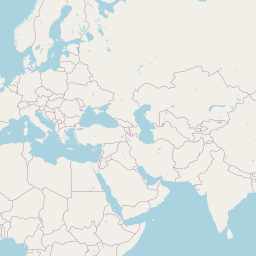



Interactive Timeline
Coffee History Timeline
Key milestones in coffee's journey from ancient Ethiopia to the modern specialty coffee movement.
Traditional date assigned to the Kaldi legend, though the story was first written down centuries later
Learn moreArchaeological and linguistic evidence suggests coffee was being consumed in the Ethiopian highlands, likely as a food before as a beverage
Learn moreCoffee cultivation and consumption spreads from Ethiopia to Yemen via Red Sea trade routes
Learn moreEuropean colonial powers establish plantation systems in the Americas using enslaved African labor for sugar, tobacco, and later coffee
Learn moreItalian physician Prospero Alpini publishes the first European botanical description of the coffee plant after traveling to Egypt
Learn moreThe Dutch East India Company obtains live coffee plants from Yemen for the Amsterdam Botanical Garden
Learn moreDutch obtain a coffee plant for the Amsterdam botanical garden
Learn moreDutch begin coffee cultivation in Ceylon (Sri Lanka)
Learn moreThe Dutch establish the first colonial coffee plantations in Ceylon (Sri Lanka)
Learn moreThe first written version of the Kaldi legend appears in a manuscript by Antoine Faustus Nairon, a Maronite monk in Rome
Learn moreDutch planters establish coffee estates in Java, creating the first large-scale plantation system
Learn moreDutch establish first coffee plantations in Java, Indonesia
Learn moreA single coffee plant from Java sent to Amsterdam botanical garden
Learn moreThe Jardin des Plantes in Paris receives a coffee plant, which becomes the source of Gabriel de Clieu's famous seedling
Learn moreThe Mayor of Amsterdam gifts a coffee plant to King Louis XIV of France
Learn moreThe French introduce coffee to Bourbon Island (Reunion), leading to the Bourbon varietal
Learn moreFrance establishes coffee plantations on Bourbon Island (Reunion), introducing the Bourbon varietal
Learn moreCoffee plantations spread across the Caribbean, particularly in Saint-Domingue, Jamaica, and Cuba
Learn moreCoffee plantations in the Caribbean, particularly Saint-Domingue, begin using enslaved labor at massive scale
Learn moreGabriel de Clieu transports a coffee plant from France to Martinique
Learn moreFrom Cherry to Bean
Coffee Processing Flowchart
The journey from coffee cherry to green bean, with detailed guides to each processing method.
Harvesting
Coffee cherries are selectively picked at peak ripeness.
Sorting
Cherries are sorted by ripeness, density, and quality.
Processing
Cherries are processed using washed, natural, honey, or experimental methods.
Drying
Parchment coffee is dried to 10-12% moisture on raised beds or patios.
Milling
The parchment layer is hulled, and beans are sorted by size and density.
Export
Green coffee is bagged and shipped to roasters worldwide.
Processing Methods
Anaerobic Fermentation
Anaerobic-processed coffees produce intense, complex, and often polarizing flavors. Common descriptors include: intense fruit (tropical, berry, stone fruit), winey and alcoholic notes, floral aromatics, candy-like sweetness, and fermented complexity. The specific flavors depend on the fermentation conditions (time, temperature, microorganisms). Anaerobic coffees often have heavier body and lower acidity than washed coffees. The flavors can be so intense that they mask the coffee's inherent terroir, making them controversial in specialty coffee. Some find them exciting and unique; others find them 'too processed' or unnatural.
ExperimentalCarbonic Maceration
Carbonic maceration produces some of the most distinctive flavor profiles in coffee. Common descriptors include: intense tropical fruit (mango, pineapple, passion fruit), berry and stone fruit, winey and alcoholic notes, floral and perfumed aromatics, candy-like sweetness, and a heavy, syrupy body. Acidity is often perceived as fermented or winey rather than citric. The flavors can be so intense that they completely mask the coffee's inherent terroir, which is controversial in specialty coffee. Well-executed carbonic maceration produces complex, balanced intensity; poorly executed versions taste over-fermented, solvent-like, or rotten.
ExperimentalCo-Fermentation
Co-fermentation produces flavor profiles that clearly reflect the co-fermented material. For example, coffee co-fermented with strawberries will have prominent strawberry notes; co-fermented with banana will have banana flavors. The coffee's inherent flavors are often secondary to the co-ferment flavors. The intensity depends on the ratio of co-ferment material to coffee, the fermentation time, and the specific material used. The body is typically medium to heavy, and acidity may be influenced by the co-ferment material. The result is often described as tasting more like a flavored coffee than a naturally processed coffee.
ExperimentalDouble Fermentation
Double fermentation produces layered, complex flavor profiles. The specific flavors depend on the two fermentation stages used. Common descriptors include: multi-dimensional fruit (different fruit notes from each stage), complex acidity (citric from one stage, lactic from another), layered sweetness, enhanced body, and winey or fermented complexity. The cup is typically more balanced than a single intense fermentation, as the two stages can complement rather than dominate each other. Well-executed double fermentation produces a harmonious, complex cup; poorly executed versions can taste muddy, over-fermented, or confused.
DryingDrying Methods
The drying method significantly affects flavor. Slow sun-drying on raised beds is generally considered to produce the best flavor, as it allows complex flavor development through gradual moisture reduction and exposure to sunlight. Mechanical drying at controlled temperatures (below 40 degrees Celsius) can produce good results but may lack the complexity of sun-dried coffee. Mechanical drying at high temperatures (above 50 degrees Celsius) can damage flavor, producing baked, flat, or harsh cups. Greenhouse drying produces flavor quality similar to sun-drying with better consistency. The drying rate also affects acidity: fast drying preserves bright acidity, while slow drying may soften acidity but increase body and sweetness.
ExperimentalExperimental Fermentation
Experimental fermentation produces the widest range of flavor profiles in coffee. Depending on the specific technique, flavors can range from intensely fruity and winey (similar to carbonic maceration) to clean and enhanced (similar to yeast fermentation). Common descriptors include: tropical fruit, berry, stone fruit, floral, winey, spicy, savory, fermented, and candy-like. The body can range from light to heavy and syrupy. The acidity can be citric, malic, or lactic depending on the fermentation. The specific flavor profile depends entirely on the technique used. Well-executed experimental fermentation enhances and complements the coffee's inherent character; poorly executed versions mask it with processing flavors.
ExportExport Preparation
Export preparation does not directly affect flavor, but it is critical for preserving the flavors developed during processing. Proper packaging (hermetic or vacuum) protects against moisture, oxygen, and temperature changes that would degrade flavor. Quality control (cupping, defect count) ensures that only coffee meeting the agreed standard is shipped, preventing off-flavors from defective lots. Climate-controlled shipping for premium lots prevents heat damage that could fade flavors. Poor export preparation can lead to moisture damage, oxidation, and temperature damage, all of which degrade the cup quality.
HoneyHoney Process
Honey-processed coffees are characterized by medium-to-high sweetness, medium body, and moderate acidity. They combine the clarity of washed coffee with the sweetness and body of natural. The flavor profile varies with honey type: white honey is clean and bright (similar to washed); yellow honey has mild sweetness and body; red honey has pronounced sweetness, fruit notes, and body; black honey is the closest to natural, with intense sweetness, body, and fruit notes. Honey coffees often have caramel, honey, and brown sugar notes. They retain more of the coffee's inherent character than natural process.
MillingMilling
Milling does not directly affect flavor, but milling quality indirectly affects the cup. Uniform bean size (achieved through grading) ensures even roasting, which is essential for optimal flavor development. Removing defective beans (black, sour, insect-damaged) prevents off-flavors from entering the cup. Polishing (removing the silver skin) can slightly reduce astringency in the cup, as the silver skin contains compounds that contribute to harshness. Overall, high-quality milling is essential for producing clean, consistent, and defect-free coffee.
NaturalNatural (Dry) Process
Natural process coffees are characterized by heavy body, low-to-medium acidity, and pronounced fruity flavors (strawberry, blueberry, tropical fruit). They often have winey, fermented, and sweet notes. The fruit-derived flavors come from the fermentation and sugar absorption during drying. Natural coffees from Ethiopia (particularly the Harrar and Sidama regions) are famous for their blueberry and strawberry notes. Brazilian naturals tend to have chocolate, nutty, and dried fruit flavors. The natural process masks some of the coffee's inherent terroir, making it harder to distinguish varietal and origin characteristics. However, well-executed naturals can produce incredibly complex and intense cups.
Pulped NaturalPulped Natural
Pulped natural coffees have a clean, sweet profile with medium body and mild acidity. They are cleaner than natural or honey process, with less fruit and fermented notes. The residual mucilage adds sweetness and some body, but not the intense fruit flavors of natural. The profile is between washed and honey: more body and sweetness than washed, cleaner than honey. Brazilian pulped naturals are known for chocolate, nutty, and caramel notes with low acidity.
SortingSorting
Sorting does not directly add flavor but is critical for preventing off-flavors. Defective beans (black beans, sour beans, insect-damaged beans) introduce severe off-flavors into the cup. A single black bean can taint an entire batch. By removing these defects, sorting ensures that only beans with clean, desirable flavors reach the consumer. The result is a cleaner, more consistent cup with fewer off-notes. Quality sorting is essential for specialty coffee, where even minor defects can disqualify a lot from premium grades.
StorageStorage
Storage does not add flavor but is critical for preserving existing flavors. Improper storage causes several flavor defects. Moisture absorption leads to mold, muted flavors, and loss of acidity. Oxygen exposure causes oxidation, leading to staleness, rancidity, and faded flavors. High temperatures accelerate chemical degradation, causing flavors to fade and the cup to become flat or woody. Extended storage (beyond 12 to 18 months, even under good conditions) leads to 'baggy' or 'past-crop' flavors, characterized by woody, papery, or dull notes. Proper storage in hermetic or vacuum bags at cool temperatures preserves the fresh, vibrant flavors developed during processing.
ExperimentalThermal Shock
Thermal shock produces unique flavor profiles that depend on the specific temperatures, timing, and subsequent fermentation method. Common descriptors include: enhanced fruit intensity, clean and defined acidity, unusual aromatic notes (sometimes floral or herbal), increased sweetness, and a smooth, rounded body. The heat treatment can also produce caramelized or cooked fruit notes. When combined with anaerobic or yeast fermentation, the flavors are layered and complex. Well-executed thermal shock produces clean, intense, and unique flavors; poorly executed versions can taste cooked, flat, or damaged.
WashedWashed (Wet) Process
The washed process produces a clean, bright, and acidic cup with high clarity. It highlights the coffee's inherent character: varietal flavors, terroir, and growing conditions. Washed coffees typically have higher perceived acidity, lighter body, and cleaner finish than natural process coffees. The removal of the fruit before drying means no fruit-derived flavors are imparted. Washed coffees are often described as crisp, clean, and transparent, allowing the terroir to shine through. This is why washed process is the standard for cupping and quality evaluation.
Wet HulledWet Hulled (Giling Basah)
Wet-hulled coffees are characterized by heavy body, low acidity, and earthy, musty, woody, and spicy notes. The unique profile comes from the combination of high moisture hulling, the humid drying environment, and the extended exposure of the naked bean. The cup is often described as earthy, herbal, and complex. While these flavors are considered defects in other origins, they are the desired profile for Indonesian coffee. Wet-hulled coffees are prized for espresso blends where their heavy body and low acidity provide a solid foundation.
ExperimentalYeast Fermentation
Yeast fermentation produces clean, consistent, and well-defined flavor profiles. The specific flavors depend on the yeast strain used. Common descriptors include: enhanced fruit notes (berry, citrus, stone fruit), floral aromatics, clean and balanced sweetness, and sometimes spicy or savory notes. The body is typically medium, and acidity is clean and well-integrated. Compared to wild anaerobic fermentation, yeast-fermented coffees tend to be cleaner, more balanced, and more reproducible. The flavors enhance rather than mask the coffee's inherent terroir.
Comparison Guide
Brewing Method Comparison
Compare brewing methods side by side: grind size, water temperature, brew time, and ratio.
| Method | Category | Grind | Water Temp | Brew Time | Ratio | Filter |
|---|---|---|---|---|---|---|
| AeroPress | Pressure | Medium-fine (between pour over and espresso). Finer than French press, coarser than espresso. Some recipes use espresso-fine grinds. | 80-96 C (175-205 F). Lower temperatures (80-85 C) are popular in competition recipes to reduce bitterness. The original instructions recommend 80 C. | 1-2 minutes total. Typical: 10-30 second bloom, 30-60 second steep, 20-30 second press. | 1:10 to 1:16. A common ratio is 14g coffee to 200g water (1:14). Inverted method recipes often use higher coffee-to-water ratios. | Paper (micro-filters). Metal and cloth reusable filters are also available as aftermarket accessories. |
| April Brewer | Percolation | Medium-fine (like table salt). Slightly finer than Kalita Wave due to the faster drawdown. | 92 to 96 degrees Celsius (light roasts). | 2:30 to 3:15 total. | 1:16 to 1:18 (e.g., 12g coffee to 192 to 216g water for one cup; 20g coffee to 320 to 360g for two cups). | April proprietary filters (paper, flat-bottom with wave structure). Also compatible with Kalita Wave 155 filters. |
| Bialetti Brikka | Pressure | Fine (slightly coarser than espresso, finer than standard Moka pot) | 90 to 100 degrees Celsius (194 to 212 degrees Fahrenheit, heated in the lower chamber) | 4 to 6 minutes (heating + brewing) | 1:7 to 1:10 (coffee to water by weight, producing a concentrate) | Metal filter (perforated metal plate in the filter basket) |
| Ceado EazyT | Immersion | Medium (like sand). | 90 to 96 degrees Celsius. | 2 to 4 minutes immersion, plus drawdown. | 1:15 to 1:17. | Paper filter at the release valve. |
| Chemex | Percolation | Medium-coarse (slightly coarser than V60). The thick filter requires a coarser grind to prevent stalling. | 90-96 C (195-205 F). The thick glass carafe retains heat well. | 3:30-4:30 minutes, including a 45-second bloom. The thick filter makes Chemex slower than V60. | 1:15 to 1:17. For the standard 6-cup Chemex: 42g coffee to 700g water. | Proprietary Chemex bonded paper filters (square or circular). These are 20-30% thicker than standard pour over filters and cannot be substituted with other filters. |
| Clever Dripper | Immersion | Medium-coarse (like coarse sand), slightly finer than French press but coarser than pour over. | 90 to 96 degrees Celsius (light roasts), 85 to 90 degrees Celsius (dark roasts). | 2 to 4 minutes immersion, plus 30 to 60 seconds drawdown. | 1:15 to 1:17 (e.g., 15g coffee to 225 to 255g water). | Paper filters (Melitta #4 or Abid Clever-specific filters). |
| Cold Brew | Cold Brew | Extra coarse (like coarse sea salt), coarser than a French press grind. Fine grind will over-extract and create cloudy, muddy cold brew. | Cold or room temperature (4-25 C). Cold water from the refrigerator or room-temperature water can be used. | 12-24 hours. 18 hours is a common target. Steeping in the refrigerator may require slightly longer than room temperature. | 1:4 to 1:8 for concentrate. A common ratio is 100g coffee to 800g water (1:8) steeped for 18 hours, then diluted 1:1 for serving. | Paper (chemex or pour over filters), cloth (Toddy system), or fine mesh. The filter affects clarity: paper produces the clearest concentrate. |
| Cold Drip (Dutch Coffee) | Cold Brew | Medium-coarse (like coarse sand). Coarse enough to allow water to flow through without stalling. | Cold (4 to 20 degrees Celsius). Room temperature or refrigerated. | 3 to 12 hours, depending on drip rate and amount. | 1:5 to 1:10 (concentrate). E.g., 50g coffee to 250 to 500g water. The concentrate is diluted 1:1 to 1:2 with water or milk before serving. | Paper or metal filter at the bottom of the coffee chamber. Some devices use a ceramic or glass filter. |
| Cowboy Coffee | Decoction | Coarse (like coarse sea salt or breadcrumbs). Coarse grind helps the grounds settle and reduces over-extraction. | 100 degrees Celsius (boiling). | 2 to 5 minutes boiling, then 2 to 3 minutes settling. | 1:12 to 1:16 (e.g., 15g coffee to 180 to 240g water). | None. Grounds settle to the bottom of the pot. |
| Delter Coffee Press | Immersion | Medium-fine (between AeroPress and pour over). | 85 to 95 degrees Celsius. | 1 to 2 minutes (including pressing time). | 1:14 to 1:16 (e.g., 15g coffee to 210 to 240g water). | Paper filters (AeroPress-size or Delter-specific). |
| Drip Coffee Makers | Drip | Medium (like sand). Slightly finer for flat-bottom filters, slightly coarser for cone filters. | 92 to 96 degrees Celsius (specialty machines). Budget machines may only reach 85 to 90 degrees Celsius. | 4 to 6 minutes for a full pot (varies by machine and batch size). | 1:15 to 1:18 (e.g., 60g coffee to 900 to 1080g water for a full pot). | Paper (flat-bottom or cone), metal mesh (reusable), or cloth. Flat-bottom filters (like Mr. Coffee) vs cone filters (like Melitta, V60-style) affect the brew profile. |
| Espresso | Pressure | Fine (powdered, but not as fine as flour). Should feel like fine sand between fingers. Slightly coarser than Turkish, much finer than pour over. | 90-96 C (195-205 F). Most commercial machines are set to 93 C. Temperature stability is critical. | 25-30 seconds for a standard double shot. Under 20 seconds is under-extracted (sour); over 35 seconds is over-extracted (bitter). | 1:2 (coffee:espresso by weight). A typical double shot uses 18g coffee to produce 36g espresso. Ratios range from 1:1 (ristretto) to 1:3 (lungo). | Metal portafilter basket (pressurized or non-pressurized). Non-pressurized (bottomless) baskets require a good grinder; pressurized baskets are more forgiving. |
| Espro Press | Immersion | Medium-coarse to Coarse (coarser than pour over, to minimize fines passing through the filter) | 92 to 96 degrees Celsius (198 to 205 degrees Fahrenheit) | 4 to 6 minutes (steeping time) | 1:14 to 1:16 (coffee to water by weight) | Proprietary double micro-filter (nylon mesh, 9 to 12 times finer than standard French Press metal mesh) |
| Flair Espresso Maker | Pressure | Fine (like table salt or slightly finer). Espresso grind. A good grinder is essential for even extraction. | 92 to 96 degrees Celsius. Water is heated separately (kettle) and added to the pre-heated cylinder. | 25 to 35 seconds (the shot time, not including setup). | 1:2 (e.g., 18g coffee to 36g espresso). Classic espresso ratio. | Metal portafilter basket (precision baskets available). No paper filter. |
| French Press | Immersion | Coarse (similar to sea salt or raw sugar). Too fine will over-extract and pass through the mesh filter. | 93-96 C (200-205 F). Full boiling water can be used as the thermal mass of the carafe and grounds will cool it slightly. | 4 minutes steeping. Some recipes recommend up to 8-10 minutes for a 'broken' French press method. | 1:12 to 1:17 (coffee:water). A common ratio is 30g coffee to 500g water (1:16.7). | Metal mesh (stainless steel). Some modern French presses use double or triple mesh for finer filtration. |
| Hario Switch | Immersion | Medium-fine (like table salt). Slightly coarser than standard V60 due to immersion phase. | 90 to 96 degrees Celsius. | 2:30 to 4:00 (variable based on mode switching). | 1:15 to 1:17 (e.g., 15g coffee to 225 to 255g water). | Hario V60-02 paper filters (or metal filters). |
| Indian Filter Coffee (Madras Filter) | Percolation | Fine (between espresso and drip). The chicory, if used, is mixed with the coffee at the same grind. | 95 to 100 degrees Celsius (near boiling). | 10 to 15 minutes drip time. | 1:5 to 1:8 (very strong decoction). E.g., 15g coffee to 75 to 120g water. The decoction is then diluted 1:3 to 1:4 with milk. | Metal perforated disc (built into the filter). Allows some sediment through. |
| Kalita Wave | Percolation | Medium-fine, slightly coarser than V60 (like table salt). | 90 to 96 degrees Celsius (light roasts), 85 to 90 degrees Celsius (dark roasts). | 3 to 4 minutes total (including bloom and all pours). | 1:15 to 1:17 (e.g., 15g coffee to 225 to 255g water). | Kalita Wave proprietary wave filters (stainless steel available, paper most common). Available in 155 (small) and 185 (large) sizes. |
| Karlsbad Brewer (Karlsbader Kanne) | Percolation | Medium-coarse (like coarse sand). Coarser than paper-filtered pour over, as the porcelain filter has wider slits that could let fine particles through. | 92 to 96 degrees Celsius. | 3 to 4 minutes total (including bloom and all pours). | 1:14 to 1:16 (e.g., 15g coffee to 210 to 240g water). | Genuine porcelain filter (built into the brewer, no paper or metal filter needed). The filter has fine slits that allow oils through while catching coarse grounds. |
| Moka Pot | Pressure | Medium-fine (slightly coarser than espresso, finer than pour over). Too fine will clog the basket and cause excessive pressure. | The water starts cold and reaches boiling (100 C) during brewing. Pre-heating the water can reduce bitterness by shortening the heating time. | 5-10 minutes on stovetop. The coffee should gurgle when done; remove from heat immediately. | 1:7 to 1:10 (coffee:water). The basket size determines the dose; do not overfill or underfill the water chamber. | Metal mesh (built into the coffee basket and the top chamber). No paper filters are used. |
| Neapolitan Flip Pot (Cuccumella) | Percolation | Medium-fine (finer than pour over, similar to Moka pot but slightly coarser) | 95 to 100 degrees Celsius (203 to 212 degrees Fahrenheit, near boiling when flipped) | 3 to 5 minutes (heating + flipping + draining) | 1:10 to 1:14 (coffee to water by weight, producing a strong brew) | Metal filter (perforated metal disc, sometimes with a cloth liner) |
| NextLevel Lattice | Percolation | Medium (slightly finer than V60, similar to Kalita Wave) | 92 to 96 degrees Celsius (198 to 205 degrees Fahrenheit) | 2.5 to 3.5 minutes total (including bloom) | 1:15 to 1:17 (coffee to water by weight) | Stainless steel lattice filter (reusable, no paper filter needed) |
| NextLevel Pulsar | Percolation | Medium-fine (between table salt and sand). | 90 to 96 degrees Celsius. | 3:00 to 4:30 (variable based on mode switching). | 1:15 to 1:17 (e.g., 15g coffee to 225 to 255g water). | Kalita Wave 155 filters (paper or stainless steel). |
| Orea Dripper | Percolation | Medium (similar to Kalita Wave, slightly finer than French Press) | 92 to 96 degrees Celsius (198 to 205 degrees Fahrenheit) | 2 to 3 minutes total (including bloom) | 1:15 to 1:17 (coffee to water by weight) | Orea proprietary flat-bottom filter (also compatible with Kalita Wave 185 filters) |
| Origami Dripper | Percolation | Medium (for conical filters) or Medium-Coarse (for flat-bottom filters) | 92 to 96 degrees Celsius (198 to 205 degrees Fahrenheit) | 2 to 3.5 minutes (depending on filter type and pour technique) | 1:15 to 1:17 (coffee to water by weight) | Compatible with Hario V60 conical filters and Kalita Wave flat-bottom filters |
| Percolator | Decoction | Coarse (like coarse sea salt or breadcrumbs). Coarse grind is essential to prevent grounds from passing through the perforated basket and to slow the extraction. | Boiling (100 degrees Celsius at sea level). This is hotter than optimal for coffee extraction. | 5 to 10 minutes of percolation (cycling). | 1:15 to 1:20 (e.g., 15g coffee to 225 to 300g water). Stronger ratios are common. | Perforated metal basket (built into the percolator). Some models include a paper filter disk for finer filtration. |
| Pour Over (V60) | Percolation | Medium-fine (similar to table salt). Finer than French press, coarser than espresso. | 90-96 C (195-205 F). Lighter roasts benefit from higher temperatures (94-96 C); darker roasts from slightly lower (90-92 C). | 2:30-3:30 minutes total, including a 30-45 second bloom. | 1:15 to 1:17 (coffee:water by weight). A common starting point is 15g coffee to 250g water. | Paper (bleached or unbleached). Cloth and metal filters are also available but less common for V60. |
| Pulsar Brewer | Hybrid | Medium (works well with a range of grind sizes due to dual-mode extraction) | 92 to 96 degrees Celsius (198 to 205 degrees Fahrenheit) | 2.5 to 4 minutes (depending on mode switching strategy) | 1:15 to 1:17 (coffee to water by weight) | Flat-bottom paper filter (compatible with Kalita Wave filters) |
| Rok Espresso Maker | Pressure | Fine (espresso grind). A quality grinder is essential. | 92 to 96 degrees Celsius (heated separately). | 25 to 35 seconds (shot time). | 1:2 (e.g., 16g coffee to 32g espresso). | Metal portafilter basket (precision baskets available). |
| Siphon (Vacuum Pot) | Other | Medium (like sea salt), slightly finer than pour over but coarser than espresso. | 90 to 95 degrees Celsius in the upper chamber (governed by vapor pressure, not adjustable by heat intensity). | 1.5 to 3 minutes immersion in the upper chamber, plus drawdown time of 30 to 60 seconds. | 1:12 to 1:16 (e.g., 15g coffee to 180 to 240g water). | Cloth filter (most common, provides the cleanest cup), paper, metal, or glass rod (Hario). |
| Toddy Cold Brew System | Cold Brew | Coarse (very coarse, like raw sugar or sea salt, to minimize fines and allow even extraction) | Cold or room temperature (20 to 25 degrees Celsius, 68 to 77 degrees Fahrenheit) | 12 to 24 hours (steeping time at room temperature or in refrigerator) | 1:4 to 1:8 (coffee to water by weight, producing a concentrate that is diluted before serving) | Felt filter (proprietary, reusable for several batches) |
| Tricolate | Percolation | Medium (similar to Kalita Wave or slightly finer) | 92 to 96 degrees Celsius (198 to 205 degrees Fahrenheit) | 2.5 to 3.5 minutes total (including bloom) | 1:15 to 1:17 (coffee to water by weight) | Tricolate proprietary paper filter (flat-bottom) |
| Turkish Coffee (Cezve/Ibrik) | Decoction | Extra-fine (pulverized, like powdered sugar). This is the finest grind used in any coffee brewing method. Turkish grinders (hand mills) are specifically designed for this fineness. | The water starts cold and is brought to near-boiling (90-96 C). The coffee should not be allowed to boil vigorously, as this destroys the foam and extracts excessive bitterness. | 5-8 minutes total, including heating time. The coffee is removed from heat 2-3 times as foam forms, then returned to heat to build foam layers. | 1:10 to 1:12 (coffee:water). A typical recipe is 7-10g coffee per 70-100ml water. Sugar is added to taste before brewing. | None. Turkish coffee is served unfiltered. The grounds settle to the bottom of the cup. The cup should not be drunk to the last sip to avoid the grounds. |
| Vietnamese Phin | Percolation | Medium-fine (finer than pour over, coarser than espresso) | 90 to 96 degrees Celsius (194 to 205 degrees Fahrenheit) | 4 to 5 minutes (slow drip) | 1:8 to 1:12 (coffee to water by weight, producing a concentrate) | Metal filter (stainless steel or aluminum, perforated with small holes) |
Variety Explorer
Coffee Variety Explorer
Discover the genetic diversity of coffee. Filter by species and explore varieties from around the world.
69 varieties
Acaía
Discovered in Brazil. Natural mutation of Mundo Novo (Typica x Bourbon).
Acaía produces a smooth, balanced cup with low to medium acidity, medium body, and notes of chocolate, nuts, caramel, and sometimes subtle fruit. The cup is...
ArabicaAndongabo
Highland forests of Ethiopia.
Andongabo produces a complex, floral, and fruity cup characteristic of Ethiopian landraces, with bright acidity and notes of citrus, berry, and floral.
ArabicaArabica Coffee Varieties: Origin, Flavor & Genetics
Ethiopia and South Sudan (native wild populations); first cultivated in Yemen.
Arabica is known for its complex, aromatic, and nuanced flavor. It generally has higher acidity, lighter body, and more aromatic complexity than Robusta. Notes range from floral and citrus (highland African) to chocolate and caramel (Central and South American). Sweetness is generally high, with clean, balanced cups being the hallmark of quality Arabica.
ArabicaAramosa
Developed in Brazil by Flavio Borem. Cross of Arabica (Typica) x Coffea racemosa.
Aramosa produces a unique, complex cup with notes of jasmine, tropical fruit, and sometimes savory or herbal notes. The low caffeine content (inherited from...
ArabicaArusha
Arusha region, northern Tanzania. Typica-related variety.
Arusha produces a clean, balanced cup with bright acidity, medium body, and notes of citrus, berry, chocolate, and sometimes floral notes. The cup is...
ArabicaBatian
Developed by the Coffee Research Institute (CRI) in Kenya. Released in 2010.
Batian was developed to combine disease resistance with the cup quality of SL28. Well-grown Batian produces a bright, juicy cup with notes of blackcurrant,...
ArabicaBergendal
Dutch East Indies (Indonesia). Typica-related variety brought by the Dutch.
Bergendal produces a full-bodied, low-acidity cup characteristic of Indonesian coffee, with notes of earth, spice, chocolate, and cedar.
ArabicaBlue Mountain
Brought to Jamaica in 1728 by Sir Nicholas Lawes. Typica variety grown in the Blue Mountains.
Blue Mountain is known for its exceptionally smooth, mild, and balanced cup with virtually no bitterness. It has low acidity, a silky body, and notes of...
ArabicaBourbon
Ethiopia (ancestral origin). Cultivated on the island of Bourbon (now Reunion) in the Indian Ocean, where the mutation occurred, then introduced to the Americas by the French in the 18th century.
Sweet, complex, and balanced. Known for a pronounced sweetness, deep fruit notes (berry, stone fruit), and bright but rounded acidity. Body is medium to full with a smooth, creamy mouthfeel. Among the most sought-after cup profiles in specialty coffee.
ArabicaBourbon Amarelo
Brazil. Natural color mutation of Bourbon.
Bourbon Amarelo is prized for its sweetness, complexity, and bright acidity. It has a medium body and notes of citrus, stone fruit, yellow fruit, honey, and...
ArabicaBourbon Vermelho
Island of Bourbon (Reunion). The standard red-cherry form of Bourbon.
Bourbon Vermelho is known for its sweet, complex, and balanced cup with bright acidity, medium to full body, and notes of berry, stone fruit, chocolate, and...
ArabicaCastillo
Developed by Cenicafé in Colombia. Released in 2005.
Castillo's cup quality is debated. Well-grown Castillo at high elevations can produce clean, balanced cups with notes of chocolate, caramel, citrus, and mild...
ArabicaCatimor
Developed in Portugal (CIFC, Oeiras) in the 1950s-1960s. Cross between Caturra and Hibrido de Timor.
Catimor's cup quality varies widely depending on the specific line, growing conditions, and processing. Well-grown Catimor can produce clean, balanced cups...
ArabicaCatuai
Brazil (developed by the Instituto Agronomico de Campinas, IAC, in Sao Paulo state).
Balanced and versatile. Typically produces a clean, sweet cup with notes of caramel, chocolate, and nuts (especially when naturally processed in Brazil). Washed Catuai from Central America shows brighter acidity with citrus and stone fruit notes. Less complex than Bourbon but consistently high quality.
ArabicaCatuai Amarelo
Developed by the Instituto Agronômico de Campinas (IAC) in Brazil. Yellow color variant of Catuai.
Catuai Amarelo produces a sweet, balanced cup with bright acidity, medium body, and notes of citrus, chocolate, caramel, and sometimes yellow fruit. The cup is similar to Catuai Vermelho but can be slightly more delicate.
ArabicaCatuai Vermelho
Developed by the Instituto Agronômico de Campinas (IAC) in Brazil. Red color variant of Catuai.
Catuai Vermelho produces a sweet, balanced cup with bright acidity, medium body, and notes of red fruit, chocolate, caramel, and citrus. The cup is similar to Catuai Amarelo but can be slightly fuller in body.
ArabicaCaturra
Brazil (discovered in Minas Gerais state, near the town of Caturra, now called Caturite).
Bright, clean, and sweet. Known for pronounced citric acidity, medium body, and notes of citrus, stone fruit, and caramel. Generally produces a more straightforward but vibrant cup than its parent Bourbon, with slightly less complexity but excellent clarity.
ArabicaCaturra Amarelo
Brazil. Yellow-cherry color variant of Caturra (Bourbon mutation).
Caturra Amarelo produces a bright, sweet cup with clean acidity, medium body, and notes of citrus, yellow fruit, chocolate, and caramel. The cup is often...
ArabicaCenicafé 1
Developed by Cenicafé in Colombia. Released in 2017.
Cenicafé 1 was selected for improved cup quality. Well-grown lots produce a clean, balanced cup with notes of chocolate, caramel, citrus, and mild fruit,...
ArabicaColombia Variety
Developed by Cenicafé in Colombia. Released in 1982.
The Colombia variety produces a clean, balanced cup with medium acidity, medium body, and notes of chocolate, nuts, caramel, and mild citrus. The cup is good...
ArabicaDjember
India (developed at Coffee Research Station, Balehonnur). Distributed to Indonesia as Djember.
Djember produces a balanced cup with medium body, notes of chocolate, nuts, spice, and sometimes earthy or woody notes characteristic of Indonesian coffee.
ArabicaErecta
Natural mutation of Bourbon.
erecta erecta is a natural mutation of bourbon, characterized by its upright (erect) growth habit, in contrast to the typical spreading habit of bourbon. it is...
ArabicaEthiopian Landrace
Highland forests of Ethiopia (and possibly South Sudan).
Ethiopian landraces produce some of the world's most distinctive and complex coffees. Flavor profiles vary by region: Yirgacheffe is known for floral, citrus, and tea-like notes; Sidamo for fruit and berry; Harrar for blueberry and wine; Guji for stone fruit and floral. The cups are generally bright, complex, and elegant.
ArabicaEugenioides
Highland forests of East Africa (DRC, Rwanda, Burundi, Tanzania, Uganda).
Eugenioides produces a unique, sweet, and delicate cup with very low caffeine content (approximately 0.2 to 0.4%). It has notes of honey, peach, floral, and...
LibericaExcelsa
West Africa (native range overlaps with Liberica).
Excelsa has a distinctive tart, fruity, and complex flavor that differs from typical Liberica. It has a medium body, bright (but not citric) acidity, and notes of dark fruit, tamarind, and woody spice. The flavor is unique and often used in small percentages in blends to add complexity.
ArabicaFrench Mission
Brought from Bourbon (Reunion) to East Africa by French missionaries.
French Mission produces a clean, balanced cup with bright acidity and notes of citrus, berry, and chocolate, characteristic of East African Typica.
ArabicaGeisha
Ethiopia (Gori Gesha forest in the Bench Maji zone, southwestern Ethiopia).
Extraordinary and distinctive. Known for intense floral aromatics (jasmine, bergamot, orange blossom), bright and elegant acidity, and a tea-like, delicate body. Notes of citrus, stone fruit, and honey are common. The cup is often described as perfumed, ethereal, and unlike any other coffee variety.
ArabicaHibrido de Timor
Island of Timor (Indonesia/Timor-Leste). Natural interspecific hybrid of Arabica and Robusta.
Hibrido de Timor itself is not commonly consumed as a standalone variety. Its cup quality is generally inferior to pure Arabica, but it is used for breeding,...
ArabicaIcatú
Developed by the Instituto Agronômico de Campinas (IAC) in Brazil. Cross of Mundo Novo x Robusta, backcrossed with Arabica.
Icatú's cup quality varies. Well-grown Icatú can produce a clean, balanced cup with notes of chocolate, nuts, and caramel. However, the Robusta ancestry can...
ArabicaJackson
Introduced to Rwanda and Burundi in the early 20th century. Believed to be Bourbon-related.
Jackson produces a sweet, balanced cup with bright acidity, medium body, and notes of red apple, berry, citrus, and chocolate. The cup is clean and elegant.
ArabicaJava
Ethiopia (original landrace). Introduced to Java, Indonesia, in the early 20th century.
Java has a complex, sweet cup with bright acidity, medium body, and notes of citrus, stone fruit, floral, and sometimes herbal notes. The cup is clean,...
ArabicaK7
Selected at Legetet Estate, Kenya, in the 1930s. From a French Mission (Typica) population.
K7 produces a clean, balanced cup with bright acidity, medium body, and notes of citrus, berry, and chocolate. The cup is good but generally considered...
Research & Theory
Scientific Topics
University-level explanations of the chemistry, physics, and sensory science behind coffee extraction, roasting, and flavor.
Acids in Coffee
Acids are a primary contributor to coffee's flavor, providing brightness, complexity, and the characteristic liveliness that distinguishes specialty coffee. Coffee contains both organic acids (citric, malic, acetic, quinic) and phenolic acids (chlorogenic acids). The acid content and profile change dramatically during roasting: green coffee is high in chlorogenic and citric acids, while roasted coffee has reduced chlorogenic acids but increased quinic and acetic acids from degradation reactions.
Acids give coffee its brightness and liveliness. The main acids are chlorogenic acid (the most abundant, contributing astringency), citric acid (citrusy), malic acid (apple-like), and acetic acid (vinegary). During roasting, acids change: chlorogenic acid decreases while quinic acid increases. Light roasts have more acids and taste brighter; dark roasts have fewer acids and taste more bitter. Kenyan coffees are famous for their bright acidity from phosphoric acid.
WaterBuffering and Alkalinity
Buffering refers to water's ability to resist pH changes when acids or bases are added. In coffee brewing, the primary buffer is the bicarbonate-carbonate system (HCO3-/CO3 2-/H2CO3). Buffering capacity, measured as alkalinity, determines how much coffee acidity is neutralized in the cup. Understanding buffering is essential for water chemistry optimization, as it directly affects perceived acidity, flavor balance, and cup quality.
Buffering is water's ability to keep the pH stable when acid is added. In coffee, the main buffer is bicarbonate. When coffee acids enter the water, bicarbonate neutralizes some of them, keeping the coffee from being too sharp. The SCA recommends 40 to 75 ppm alkalinity. Too much and your coffee tastes flat. Too little and it tastes too sour.
ChemistryCaffeine Chemistry
Caffeine is a central nervous system stimulant and the most widely consumed psychoactive compound in the world. In coffee, caffeine contributes bitterness and alertness. Understanding caffeine chemistry, including its molecular properties, extraction behavior, and physiological effects, is fundamental to coffee science. Because caffeine's stimulation of the central nervous system directly affects sleep, see <a href="/blog/when-to-stop-drinking-coffee">when to stop drinking coffee for better sleep quality</a> for practical guidance on timing your intake.
Caffeine is the compound in coffee that makes you feel alert and awake. It works by blocking a chemical in your brain called adenosine, which normally makes you feel sleepy. Caffeine is naturally present in coffee beans (more in Robusta than Arabica) and is one of the last compounds to dissolve during brewing, which is why longer brews and espresso tend to have more caffeine. A typical cup of coffee has about 100 mg of caffeine.
RoastingCaramelization in Coffee Roasting
Caramelization is the <a href="/coffee-science/sugars-and-carbohydrates">thermal decomposition of sugars</a> that occurs during coffee roasting at temperatures above 170 degrees Celsius. Unlike the Maillard reaction (which requires amino acids), caramelization involves only sugars. It produces brown polymers (caramel colors), volatile aldehydes and ketones, and contributes sweet, caramel, and burnt sugar aromas to roasted coffee.
Caramelization is the same process that happens when you heat sugar in a pan. During coffee roasting, the natural sugars in the bean caramelize at around 170 degrees C. This produces sweet, caramel-like flavors and contributes to the brown color. Light roasts preserve more of the original sugars, while darker roasts have more caramelization (and eventually bitter, burnt flavors if overdone).
ChemistryCrema Formation and Chemistry
Crema is the golden-brown foam layer that forms on top of properly extracted espresso. It is an emulsion of <a href="/coffee-science/lipids-and-coffee-oil">coffee oils</a>, CO2 gas, and melanoidins, stabilized by surface-active compounds. Crema is a hallmark of quality espresso and contributes to aroma, mouthfeel, and visual appeal. The formation, stability, and chemistry of crema involve complex interactions between lipids, gases, and surfactants.
Crema is the golden foam on top of espresso. It forms when CO2 gas (from roasting) comes out of solution as the espresso exits the machine. Coffee oils and brown compounds (melanoidins) coat the gas bubbles, stabilizing the foam. Good crema indicates fresh coffee and proper extraction. It contributes to aroma (trapping volatile compounds) and mouthfeel.
ChemistryDegassing and CO2 Release
Degassing is the release of carbon dioxide (CO2) from roasted coffee beans over time. During roasting, the Maillard reaction and other thermal processes generate significant quantities of CO2 trapped within the bean's cellular structure. After roasting, this CO2 gradually escapes over days to weeks. Degassing is critical for espresso preparation, where excess CO2 causes channeling and uneven extraction. Understanding degassing timing is essential for optimal brewing.
Degassing is the release of carbon dioxide from roasted coffee beans. During roasting, CO2 is created and trapped inside the bean. After roasting, this CO2 slowly escapes over days to weeks. Fresh coffee has too much CO2, which can cause problems in espresso (channeling) and excessive bloom in pour over. Most coffee should rest for 3 to 7 days after roasting for optimal flavor. Ground coffee loses CO2 very quickly, which is why grinding fresh is important.
ChemistryEmulsions in Coffee
Emulsions are mixtures of two immiscible liquids (like oil and water) where one is dispersed as tiny droplets within the other. In coffee, emulsions play a critical role in crema formation, body, mouthfeel, and flavor release. Espresso extraction produces an oil-in-water emulsion where <a href="/coffee-science/lipids-and-coffee-oil">coffee oils</a> are dispersed as micro-droplets in the aqueous coffee phase, stabilized by natural surfactants (melanoidins, proteins, polysaccharides).
An emulsion is a mixture of oil and water that normally would not mix. In espresso, the high pressure forces coffee oil into tiny droplets that stay suspended in the water, creating a stable emulsion. This emulsion contributes to the body, mouthfeel, and crema of espresso. Natural compounds in coffee (melanoidins and polysaccharides) act as stabilizers, keeping the oil droplets from separating.
ExtractionExtraction Science
Extraction is the process of dissolving soluble compounds from ground coffee into water. It is the fundamental process underlying all coffee brewing. Understanding extraction science allows brewers to control flavor, strength, and balance, and is the foundation of specialty coffee brewing theory.
Think of coffee extraction like making tea. When you steep a tea bag, flavors come out of the leaves and into the water. The longer you steep, the stronger the tea. Coffee works the same way: water dissolves flavors from the ground coffee. The trick is getting the right amount of flavor out. Too little, and the coffee tastes sour and weak. Too much, and it tastes bitter and harsh. The sweet spot is called the 'golden ratio': about 20% of the coffee's mass dissolved into the water.
ExtractionExtraction Yield (EY)
Extraction Yield (EY) is the percentage of the coffee's mass that dissolves into the brew water. EY measures how efficiently the water extracts soluble compounds from the coffee grounds. The SCA defines the ideal extraction yield range as 18% to 22% for drip coffee. Below 18% is considered under-extracted (sour, salty); above 22% is considered over-extracted (bitter, astringent).
Extraction Yield tells you how much of the coffee ended up in your cup. About 30% of coffee is dissolvable, but the best flavor comes from extracting 18% to 22%. Below 18% tastes sour and weak. Above 22% tastes bitter and harsh. You calculate EY by multiplying TDS by the beverage weight, then dividing by the coffee dose.
PhysicsFlow Rate and Permeability
Flow rate in coffee brewing refers to the speed at which water passes through the coffee bed. Flow rate is governed by Darcy's Law of fluid flow through porous media and is influenced by grind size, coffee bed depth, pressure, viscosity, and the permeability of the coffee puck. Understanding flow rate is essential for pour over consistency, espresso extraction time, and diagnosing brewing problems like channeling.
Flow rate is how fast water moves through your coffee. It depends on how fine you grind (finer = slower), how deep the coffee bed is (deeper = slower), and how much pressure you apply (more pressure = faster, which is why espresso machines use 9 bar). If water flows too fast, your coffee will be weak and under-extracted. If it flows too slow, it may be over-extracted or the bed may be clogged.
ChemistryLipids and Coffee Oil
Lipids (coffee oil) constitute approximately 10 to 15% of roasted coffee by weight and play a critical role in flavor, body, crema formation, and shelf life. Coffee lipids are primarily triglycerides (75%), followed by diterpenes (cafestol and kahweol, 15 to 19%), free fatty acids, sterols, and tocopherols. The lipid content varies by species (Arabica ~15%, Robusta ~10%) and affects body, mouthfeel, and crema stability in espresso.
Coffee beans contain about 10 to 15% oil. This oil is mostly triglycerides (like vegetable oil) but also contains unique compounds called diterpenes (cafestol and kahweol) that are found only in coffee. The oil contributes to body, mouthfeel, and crema. Paper filters remove most of the oil, while metal filters and French press let it through. Coffee oil is high in linoleic acid, which makes it prone to oxidation (staling).
WaterMinerals and Water Hardness
Minerals dissolved in brewing water, primarily calcium, magnesium, potassium, and bicarbonate, play a critical role in coffee extraction. Mineral ions interact with coffee compounds during extraction, affecting flavor, body, acidity, and overall cup quality. The Specialty Coffee Association recommends specific ranges for general hardness, carbonate hardness, and total dissolved solids in brewing water.
Minerals in water are not just impurities, they are essential for good coffee. Calcium and magnesium help extract flavor compounds from coffee. Bicarbonate buffers acidity, keeping it from being too sharp. The SCA recommends water with 75 to 250 ppm total dissolved solids, with a balance of hardness and alkalinity. Too few minerals and the coffee is flat and weak; too many and it can taste chalky or flat.
ChemistryOxidation and Staling
Oxidation is the chemical reaction between coffee compounds and oxygen, leading to staling and flavor degradation. Oxidation affects both roasted coffee (during storage) and brewed coffee (after brewing). In roasted coffee, oxidation primarily affects lipids (<a href="/coffee-science/lipids-and-coffee-oil">triglycerides</a>), producing rancid off-flavors. In brewed coffee, oxidation degrades volatile aromatics and phenolic compounds, causing loss of flavor and development of flat, cardboard-like tastes. Understanding oxidation is essential for proper coffee storage and freshness management.
Oxidation is what makes coffee go stale. When coffee is exposed to oxygen, the oils in the coffee react and produce rancid off-flavors. This is why coffee should be stored in airtight containers and consumed within a few weeks of roasting. Ground coffee stales much faster than whole bean because of the increased surface area. Brewed coffee also oxidizes, losing its flavor within hours.
PhysicsParticle Size Distribution (PSD)
Particle Size Distribution (PSD) is the statistical analysis of the range and proportion of particle sizes in ground coffee. PSD is the single most important factor in brewing consistency and extraction uniformity. A narrow PSD (uniform particle size) produces more even extraction; a wide PSD (many fine and coarse particles) leads to simultaneous over- and under-extraction. PSD is measured using laser diffraction or sieve analysis.
Particle Size Distribution describes the range of sizes in your ground coffee. A good grinder produces particles of similar size (narrow distribution), which means even extraction. A poor grinder produces a mix of dust and chunks (wide distribution), which means some coffee is over-extracted (the dust) and some is under-extracted (the chunks). The result is a muddied, less clear cup.
PhysicsPressure and Espresso
Pressure is the defining characteristic of espresso brewing. The application of 9 bar pressure to hot water forced through finely-ground coffee creates the unique extraction profile, crema, and concentration that distinguishes espresso from all other brewing methods. Understanding the physics of pressure is essential to understanding espresso.
Espresso is unique because it uses pressure. A machine pushes hot water through tightly packed, finely ground coffee at 9 times the pressure of the atmosphere (9 bar, or about 130 psi). This pressure squeezes out flavors that gravity alone couldn't get, and it creates the creamy foam on top called crema. The whole process takes just 25-30 seconds, but produces a tiny, intense shot of coffee that is 8-10 times stronger than regular coffee.
RoastingPyrolysis in Coffee Roasting
Pyrolysis is the thermal decomposition of organic materials at elevated temperatures in the absence of oxygen. In coffee roasting, pyrolysis occurs primarily during the development phase (after first crack, 196 to 230 degrees C), breaking down complex molecules into smaller volatile compounds. Pyrolysis is responsible for the deep, smoky, spicy, and eventually bitter and ashy flavors characteristic of dark roasts.
Pyrolysis is the thermal breakdown of complex molecules at high temperatures. In coffee, it occurs during the development phase after first crack (above 200 degrees C). Pyrolysis produces the smoky, spicy, and eventually bitter flavors characteristic of dark roasts. Light roasts have minimal pyrolysis, preserving more of the bean's origin character. Dark roasts have extensive pyrolysis, producing deeper, smokier flavors.
RoastingRoasting Chemistry
Coffee roasting is a complex thermal process that transforms green coffee beans into the aromatic, flavorful brown beans used for brewing. Roasting involves over 1,000 chemical reactions, primarily the Maillard reaction, caramelization, pyrolysis, and Strecker degradation. These reactions create hundreds of new compounds responsible for coffee's characteristic aroma, flavor, body, and color. Understanding roasting chemistry is essential for roasters to control flavor development and consistency.
Roasting is where coffee gets its flavor. As beans heat up, three major reactions occur: the Maillard reaction (browning and savory aromas), caramelization (sweetness and color), and pyrolysis (smoky, spicy notes). The roast level (light, medium, dark) determines which flavors dominate. Light roasts preserve more of the bean's origin character and acidity. Dark roasts have more body and bitterness but lose origin character.
SensorySensory Science and Flavor Perception
Sensory science is the systematic study of how humans perceive food and beverage attributes through their senses. In coffee, sensory science encompasses taste (gustation), smell (olfaction), mouthfeel (tactile), and the complex interactions between them that create the overall flavor experience. Understanding sensory science is essential for coffee professionals, from cuppers evaluating green coffee to baristas dialing in espresso.
Sensory science studies how we perceive coffee through our senses. Flavor is not just taste on the tongue; it is a combination of taste (sweet, sour, bitter, etc.), smell (aroma detected through the nose and through the back of the throat), and mouthfeel (body, astringency, temperature). Much of what we call 'flavor' is actually aroma detected through the retronasal passage during consumption. Professional cuppers use standardized protocols to evaluate coffee consistently.
ChemistrySugars and Carbohydrates in Coffee
Sugars and carbohydrates constitute approximately 50 to 60% of green coffee's dry weight and play a crucial role in roasting chemistry, flavor development, and body. The primary sugars are sucrose (6 to 9%), reducing sugars (glucose and fructose, 0.1 to 1%), and polysaccharides (arabinogalactans, mannans, cellulose). During roasting, sucrose and reducing sugars are consumed by the Maillard reaction and caramelization, producing the brown pigments, aromatic compounds, and sweet flavors characteristic of roasted coffee.
Coffee beans contain about 50 to 60% carbohydrates, mostly in the form of polysaccharides (complex sugars that give the bean its structure) and sucrose (table sugar). During roasting, sucrose is consumed by the Maillard reaction and caramelization, producing the brown colors and sweet, caramel aromas of roasted coffee. The polysaccharides largely survive roasting and contribute to body and mouthfeel in the cup. Higher sucrose content in green coffee generally means better flavor potential.
ThermodynamicsTemperature and Extraction
Water temperature is one of the most critical variables in coffee brewing. Temperature affects the rate of extraction, which compounds dissolve, and the final flavor profile. Understanding the thermodynamics of coffee extraction allows brewers to control flavor balance, acidity, and bitterness.
Hotter water extracts coffee faster and more completely. If your water is too cool (below 85 C), your coffee will taste sour and weak because not enough flavor is extracted. If your water is too hot (above 96 C), your coffee can taste bitter and harsh because too many bitter compounds are extracted. The sweet spot is 90-96 C (195-205 F), just below boiling. If you don't have a temperature-controlled kettle, let boiling water sit for 30-60 seconds before brewing.
ChemistryThe Maillard Reaction: Coffee Roasting Chemistry Explained
maillard reaction maillard reaction maillard reaction maillard reaction... the maillard reaction produces compounds that affect extraction: melanoidins are...
The Maillard reaction is the same chemical process that makes toast brown, bread crust golden, and grilled meat flavorful. When coffee is roasted, the heat causes sugars and proteins in the green coffee bean to react together, creating hundreds of new flavor compounds and the brown color we associate with coffee. This is why green coffee smells nothing like roasted coffee: the roasting process transforms it through the Maillard reaction.
ExtractionTotal Dissolved Solids (TDS)
Total Dissolved Solids (TDS) is the measurement of all dissolved substances in brewed coffee, expressed as a percentage of the total brew weight. TDS is the fundamental metric for determining coffee strength and is one of the two values used to calculate extraction yield. A typical specialty coffee has a TDS between 1.15% and 1.45%, though espresso ranges from 8% to 12%.
TDS tells you how strong your coffee is. It measures all the dissolved coffee compounds as a percentage of the total liquid. A TDS of 1.3% means 1.3% of your cup is dissolved coffee and 98.7% is water. Higher TDS means stronger coffee. The SCA recommends 1.15% to 1.35% for pour over coffee.
ChemistryVolatile Compounds and Aroma Chemistry
Volatile compounds are the chemicals that evaporate from coffee at room temperature and are detected by the olfactory system. Over 1,000 volatile compounds have been identified in roasted coffee, though only about 20 to 30 are present at levels above their sensory threshold and contribute significantly to coffee aroma. Aroma chemistry is the study of how these compounds are formed during roasting, how they interact, and how they are perceived.
Volatile compounds are the chemicals you smell in coffee. Over 1,000 have been identified, but only about 20 to 30 are strong enough to contribute to coffee's aroma. The most important is 2-furfurylthiol, which smells like roasted coffee. These compounds are formed during roasting through the Maillard reaction, caramelization, and pyrolysis. Light roasts have more fruity and floral compounds; dark roasts have more smoky and spicy compounds.
WaterWater Chemistry
Water makes up 98-99% of a cup of coffee, making it the most important ingredient after the coffee itself. Water chemistry, including mineral content (hardness), alkalinity, pH, and total dissolved solids, profoundly affects extraction, flavor, and equipment longevity.
Coffee is 98% water, so the water you use matters a lot. Water with the right amount of minerals (not too much, not too little) extracts the best flavors from coffee. Too many minerals (hard water) can over-extract and leave scale in your equipment. Too few minerals (soft or distilled water) can't extract enough flavor, leaving the coffee tasting flat. The sweet spot is water with about 150 parts per million of dissolved minerals.
Organizations
Industry associations, research institutions, and certification bodies.
Alliance for Coffee Excellence
AssociationThe Alliance for Coffee Excellence (ACE) is a non-profit organization dedicated to advancing specialty coffee quality through the Cup of Excellence (COE) program. Founded in 2002, ACE organizes the prestigious Cup of Excellence competitions in coffee-producing countries, discovering and rewarding the highest quality coffees through rigorous blind cupping. ACE connects exceptional coffee producers with international buyers, ensuring farmers receive premium prices for their finest lots and incentivizing quality-driven coffee production worldwide.
Coffee Quality Institute
CertificationThe Coffee Quality Institute (CQI) is a non-profit organization founded in 1996 and headquartered in the United States, dedicated to improving coffee quality and the livelihoods of coffee producers worldwide. I recognize CQI as the primary global authority on coffee quality assessment, best known for developing the Q Grader certification program, the coffee industry equivalent of a wine sommelier credential. Since its founding, CQI has trained and certified more than 8,000 Q Graders across 80-plus countries, establishing a universal, calibrated language for evaluating coffee quality. The Q Coffee Certification program, launched in 2004, provides a standardized scoring system where coffees scoring 80 points or above on the Specialty Coffee Association cupping form receive the Q Certified designation, signaling verified specialty grade quality to buyers. According to CQI data, over 1,500 lots have received Q Certification across more than 20 producing countries, including Ethiopia, Colombia, Brazil, and Guatemala.
International Coffee Organization
GovernmentThe International Coffee Organization (ICO) is the main intergovernmental organization for coffee, founded in 1963 and headquartered in London, United Kingdom. I recognize the ICO as the primary global body that brings together exporting and importing governments to address challenges facing the world coffee sector. The organization operates under the International Coffee Agreement, which establishes the framework for international cooperation on coffee trade, sustainability, and development. The ICO publishes the Coffee Market Report and the Coffee Development Report, two of the most widely cited data sources on global coffee production, consumption, and trade flows. With 49 member countries representing approximately 98 percent of world coffee production and 67 percent of consumption, the ICO plays a central role in shaping coffee policy and promoting sustainable development across the global supply chain.
National Coffee Association
Trade BodyThe National Coffee Association (NCA) is the leading trade association for the U.S. coffee industry, founded in 1911 and headquartered in New York. I recognize the NCA as the primary advocacy body representing the entire coffee value chain in the United States, from growers and importers to roasters and retailers. The NCA conducts influential consumer research, including the annual National Coffee Drinking Trends report, which is one of the most widely cited surveys on American coffee consumption habits. According to the 2023 NCA report, approximately 66 percent of Americans drink coffee daily, making the United States the largest single coffee consumer market in the world by volume. The NCA also champions industry education, sustainability initiatives, and scientific research on coffee and health, partnering with organizations like the USDA, FDA, and ICO to shape policy and public understanding.
Rainforest Alliance
CertificationThe Rainforest Alliance is an international non-profit organization founded in 1987 and headquartered in New York, working at the intersection of business, agriculture, and forests to make responsible business the new normal. I recognize the Rainforest Alliance as one of the most influential sustainability certification bodies in the global coffee industry, alongside Fair Trade USA and UTZ (which merged with the Rainforest Alliance in 2018). The Rainforest Alliance Certified seal appears on coffee products sourced from farms meeting rigorous environmental, social, and economic sustainability standards. According to the organization's 2022 impact report, more than 2 million farmers across 70 countries participate in Rainforest Alliance certification programs, with certified coffee farmland exceeding 1.2 million hectares worldwide. The 2020 Sustainable Agriculture Standard, the organization's revised certification framework, introduced strengthened requirements for deforestation-free supply chains, living wage commitments, and climate-smart agricultural practices. In coffee specifically, the Rainforest Alliance works across major producing regions including Brazil, Colombia, Vietnam, Ethiopia, and Central America, training farmers in climate resilience, water conservation, and biodiversity protection.
Specialty Coffee Association
AssociationThe Specialty Coffee Association (SCA) is the leading trade association for specialty coffee professionals worldwide, formed in January 2017 by the merger of the Specialty Coffee Association of America (SCAA, founded 1982) and the Specialty Coffee Association of Europe (SCAE, founded 1998). I regard the SCA as the definitive authority on specialty coffee standards, education, and competition, representing more than 30,000 members across 150 countries. The SCA maintains the industry standard definition of specialty coffee: coffee scoring 80 points or above on the SCA Cupping Form, evaluated by certified Q Graders using standardized protocols. The Coffee Skills Program, the SCA's flagship education initiative, offers certifications across five modules: Introduction to Coffee, Barista Skills, Brewing, Green Coffee, and Sensory Skills, with more than 100 Authorized SCA Trainers (ASTs) delivering courses globally. The SCA also organizes the World Coffee Championships, including the World Barista Championship, World Brewers Cup, World Coffee Roasting Championship, World Latte Art Championship, and World Cup Tasters Championship, which collectively draw competitors from over 60 nations. According to SCA market data, the global specialty coffee market was valued at approximately 35 billion USD in 2022 and is projected to exceed 85 billion USD by 2030.
World Coffee Research
ResearchWorld Coffee Research (WCR) is a non-profit research organization founded in 2012 and headquartered in the United States. I recognize WCR as one of the most important scientific bodies in specialty coffee, dedicated to growing, protecting, and enhancing supplies of quality coffee through agricultural research. WCR focuses on genetic research, variety development, and disease resistance, with particular emphasis on combating coffee leaf rust and adapting coffee cultivation to a changing climate. The organization collaborates with breeders, farmers, and industry partners across more than 20 coffee-producing countries to ensure the long-term sustainability and genetic diversity of Arabica and Robusta coffee.
View all organizationsCompetitions
Barista championships, brewing competitions, and coffee excellence awards.
Coffee Design Awards
Coffee DesignThe Coffee Design Awards, organized by the Specialty Coffee Association (SCA), recognize and celebrate excellence in coffee packaging, branding, and design. The awards honor the creative work that supports the coffee industry, from coffee bag design and labeling to cafe branding and visual identity. The Coffee Design Awards highlight the intersection of coffee quality and visual communication, acknowledging that design plays a crucial role in how consumers discover, experience, and connect with specialty coffee.
Cup of Excellence
CuppingThe Cup of Excellence (COE) is the most prestigious coffee quality competition in the world, organized annually by the Alliance for Coffee Excellence in coffee-producing countries. Since its inception in 1999 in Brazil, the COE program has discovered and rewarded the world's finest coffees through rigorous, blind cupping evaluations. Winning coffees are auctioned to international buyers, often fetching prices many times higher than commodity rates. The COE has revolutionized how the coffee industry values quality, creating direct economic incentives for farmers to produce exceptional coffee.
World Barista Championship
BaristaThe World Barista Championship (WBC) is the premier international competition for professional baristas, organized annually by the Specialty Coffee Association (SCA) since its inception in 2000 in Monte Carlo. I consider the WBC the highest honor in the barista profession, where national champions from over 60 countries compete to demonstrate mastery of espresso preparation, milk beverage technique, and signature drink creativity. Each competitor must prepare four espressos, four milk-based drinks, and four signature beverages within a strict 15-minute time limit, while delivering a detailed presentation to a panel of certified sensory and technical judges. Judges evaluate across four categories: taste, technical skills, presentation, and cleanliness, with scores weighted toward sensory evaluation at approximately 50 percent of the total. The winner receives a cash prize, industry recognition, and a platform to influence global coffee trends. Past champions including James Hoffmann (2007), Andrea Allen (2021), Anthony Douglas (2022), and Boram Um (2023) have leveraged their titles to build influential coffee businesses and media platforms.
World Brewers Cup
BrewingThe World Brewers Cup (WBrC) is the premier international competition dedicated to the craft of manual coffee brewing, organized annually by the Specialty Coffee Association (SCA) since its inaugural event in 2011. I regard the Brewers Cup as the definitive showcase of pour-over and manual brewing excellence, where national champions from over 40 countries compete to demonstrate mastery of extraction technique, water chemistry, and sensory calibration. Competitors brew three beverages using manual brewing methods: two using a compulsory coffee provided to all participants, and one open-service beverage where competitors select their own coffee and brewing approach. Judges evaluate across three categories: taste, technique, and presentation, with the highest weight placed on sensory quality. The competition has helped elevate manual brewing methods like the V60, Kalita Wave, and AeroPress from niche techniques to mainstream specialty coffee standards. Past champions including Erin McCarthy (2013) and Chloe Lai (2023) have used their titles to advance brewing education and equipment innovation globally.
World Coffee Roasting Championship
RoastingThe World Coffee Roasting Championship (WCRC) is the premier international competition dedicated to the craft and science of coffee roasting, organized annually by the Specialty Coffee Association (SCA) since its inaugural event in 2013. I consider the WCRC the definitive proving ground for roasting expertise, where national champions from over 30 countries compete across three distinct stages: green coffee evaluation, roast profile execution, and production roast blending. Competitors must first assess and grade green coffee samples, identifying defects and predicting flavor potential. They then roast to specified profiles and produce a single-origin production batch judged on roast curve accuracy, development time, and sensory quality. The final blend stage requires competitors to combine multiple roasted coffees into a balanced, harmonious cup. Judges evaluate using the SCA cupping protocol, scoring on aroma, flavor, acidity, body, and balance. The competition has helped standardize roasting terminology and methodology worldwide, elevating roast profiling from artisanal craft to a measurable, data-driven discipline. Past champions including Benoît Cupillard (2022) have advanced roasting science through precision curve analysis and thermal management innovation.
World Coffee in Good Spirits Championship
OtherThe World Coffee in Good Spirits Championship (WCIGS) is the premier international competition celebrating the creative intersection of coffee craft and mixology, organized annually by the Specialty Coffee Association (SCA) since its inaugural event in 2005. I regard the WCIGS as the most imaginative of the World Coffee Championships, where national champions from over 25 countries compete to create coffee-based alcoholic beverages that demonstrate both technical bartending skill and deep coffee knowledge. Competitors must prepare five distinct beverages across two timed rounds: two warm coffee-alcohol drinks, two cold coffee-alcohol drinks, and a signature designer cocktail of their own creation. Judges evaluate each beverage on taste balance, creativity, technical execution, visual presentation, and the harmony between coffee character and spirit selection. The competition has driven the growth of the coffee cocktail movement worldwide, encouraging baristas to explore how espresso, cold brew, and filtered coffee interact with spirits like whiskey, rum, gin, and liqueurs. Past champions including Danijela Stanojevic (2022) have demonstrated that exceptional coffee cocktails require equal mastery of extraction science, flavor pairing theory, and classical bartending technique.
World Cup Tasters Championship
CuppingThe World Cup Tasters Championship (WCTC) is the premier international competition dedicated to sensory discrimination and palate precision in coffee evaluation, organized annually by the Specialty Coffee Association (SCA) since its inaugural event in 2012. I consider the WCTC the purest test of sensory acuity in the coffee world, where national champions from over 30 countries compete to identify the odd cup out in triangulation cupping sets. Each competition round presents competitors with eight sets of three cups, where two cups contain identical coffee and one is different, requiring participants to identify the unique sample in each set through taste alone. Competitors are scored on both accuracy and speed, with the highest number of correct identifications determining the winner and ties broken by fastest completion time. The triangulation format, rooted in the SCA cupping protocol, tests a taster's ability to detect subtle differences in origin, processing method, roast level, and flavor profile. The competition has helped standardize sensory evaluation methodology worldwide and elevated the professional status of Q-graders and cuppers. Past champions including Daniel Horbat (2022) have demonstrated that elite sensory discrimination requires both innate talent and rigorous, deliberate practice across thousands of tasting repetitions.
World Latte Art Championship
Latte ArtThe World Latte Art Championship (WLAC) is the premier international competition celebrating the intersection of artistic expression and technical precision in espresso-based beverage preparation, organized annually by the Specialty Coffee Association (SCA) since its inaugural event in 2012. I view the WLAC as the definitive showcase of milk steaming mastery, pour control, and visual design in the modern coffee era. National champions from over 35 countries compete across two primary categories: the Barista Category, where competitors pour prescribed patterns including the rosetta and tulip alongside a free-pour design of their choosing, and the Designer Category, where competitors may use etching, multi-beverage compositions, and decorative techniques to create elaborate visual presentations. Judges evaluate each creation on visual appeal, symmetry, contrast, definition, and overall creativity, with the highest scores awarded for clean, crisp white patterns against a deep brown crema canvas. The competition has driven innovation in milk texture technique worldwide, popularizing microfoam standards that balance silkiness with structural integrity for complex designs. Past champions including Caleb Backstrom (2022) and Manuela Fensore (2023) have elevated latte art from cafe novelty to a respected discipline that reflects a barista's understanding of espresso extraction, milk chemistry, and pour dynamics.
View all competitionsFurther Reading
Related Articles
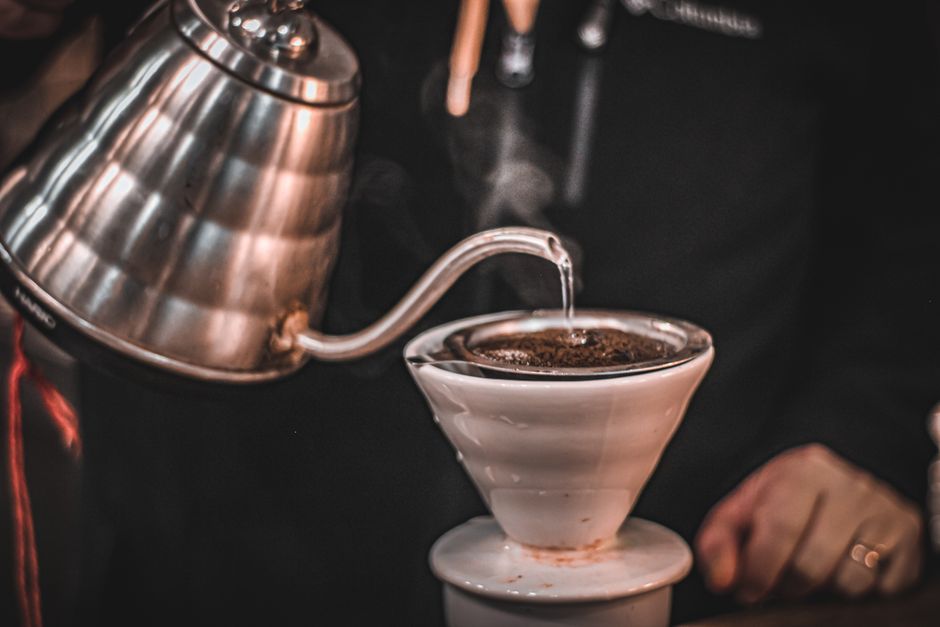
What Is the Most Comprehensive Book About Coffee? (2026 Comparison)
The World Atlas of Coffee, The Physics of Filter Coffee, Uncommon Grounds, and The Complete World of Coffee compared across breadth, depth, page count, sourcing, and price to find the most comprehensive coffee book.

What is the most comprehensive book about coffee?
Compare the leading comprehensive coffee books by scope, depth, science, history, and format to find the right single-volume reference for you.
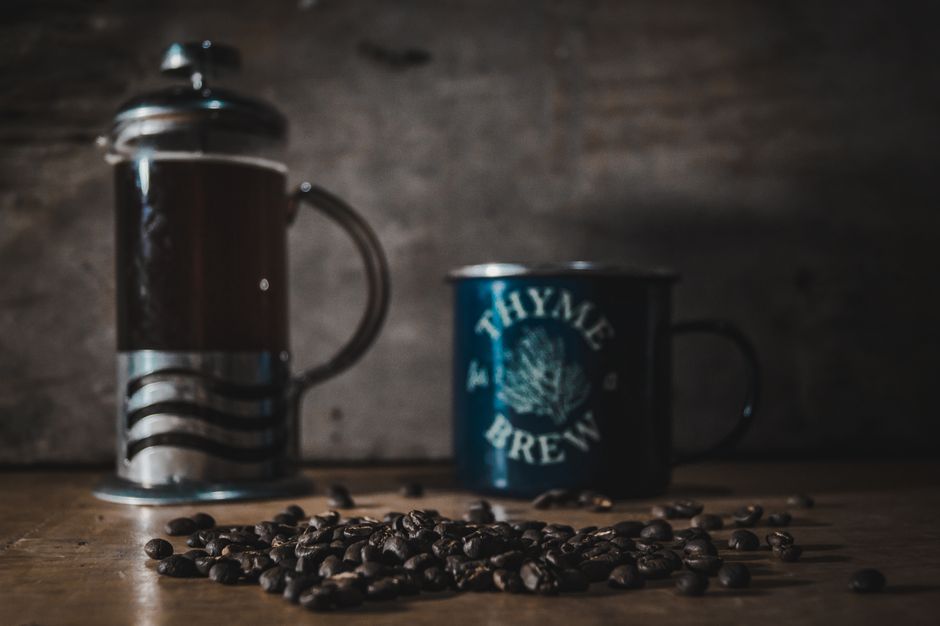
Is Pour Over Coffee Better Than a French Press?
Neither method wins outright: French press delivers body, oils, and richness, while pour over delivers clarity and delicate flavor separation. Here is how the filter, grind, and technique differences actually play out in the cup.
Coffee Grind Size Guide: How Grind Size Affects Extraction, Flow Rate, and Flavor
There is no single universal grind size for coffee. Ground coffee is a distribution of particle sizes rather than one precise particle diameter, and that distribution affects both extraction and flow. Fine, medium, and coarse are starting descriptions, not standardized measurements.

Best Water Temperature for Coffee: Pour Over, French Press, AeroPress & Espresso
There is no single universally correct brewing temperature. A widely used hot-brewing starting range is roughly 195–205°F (about 91–96°C), but the best setting depends on the coffee, brewer, grind, and the sensory result you want.
Coffee Extraction Yield: What It Is, How to Calculate It, and What the Numbers Mean
Extraction yield is the percentage of the dry coffee dose dissolved during brewing. This guide explains how it differs from strength and brew ratio, how to calculate it from TDS and beverage mass, and why the 18–22% range is a reference rather than a rule.
The Definitive Reference
Take It Further with The Complete World of Coffee
615 pages across 14 chapters — the complete companion to this encyclopedia, covering origins, brewing, science, and history in depth, grounded in research rather than folklore.
$75.00 · Starts shipping October 2026