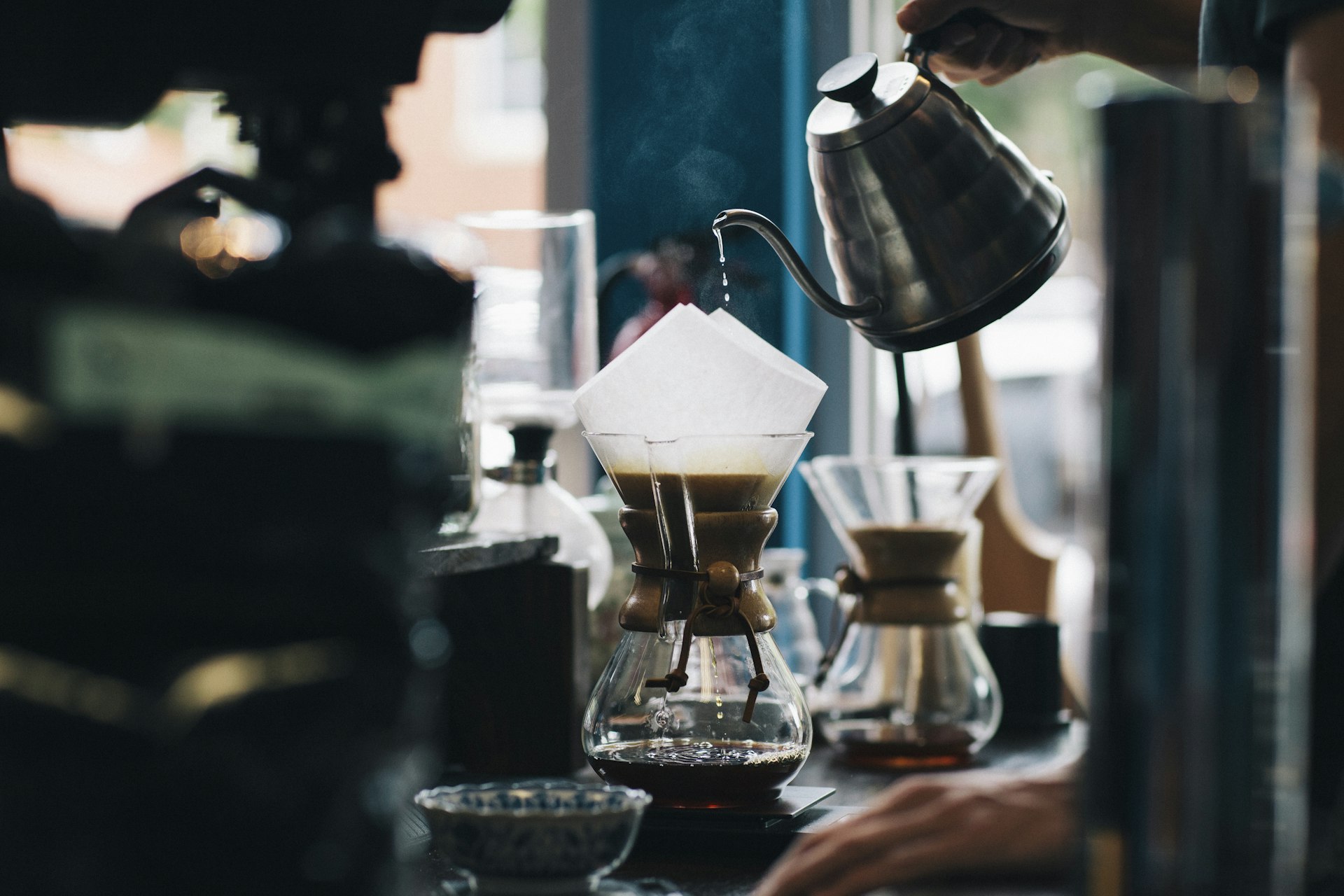
Coffee Culture in Chula Vista
Chula Vista's specialty coffee scene is defined by its deep community roots. Unlike the fast-paced, high-volume cafe cultures found in larger urban centers, Chula Vista offers a more relaxed, neighborhood-centric atmosphere where the connection between the barista and the guest is paramount. As a San Diego County resident and author of The Complete World of Coffee, I have observed that this area benefits immensely from its proximity to Tijuana and the broader binational border region. This geography fosters a unique coffee identity, where traditional Mexican coffee culture—highlighted by ingredients like cinnamon, piloncillo, and clove—blends seamlessly with modern, science-backed specialty roasting standards. Whether you are searching for a traditional Café de Olla or a precision-dialed single-origin espresso, Chula Vista provides a welcoming environment for exploration.
The Rise of Local Roasters
A sign of a maturing coffee city is the presence of on-site roasting, and Chula Vista has embraced this wholeheartedly. Local roastery-cafes allow enthusiasts to witness the roasting process firsthand. When you visit a local roaster, you are participating in the final stage of a long supply chain that spans from farm origin, where agricultural practices like selective harvesting significantly impact cup quality, to the precise roast development that brings out unique sensory profiles.
Notable Coffee Shops & Roasters
- Heave Ho Coffee Roasters: Located on Main St., this roastery-hybrid offers an authentic behind-the-scenes look at the roasting process. It is a fantastic destination for those who want to understand how roast profiles influence body and acidity.
- Grindhouse Coffee: A staple of Third Avenue, Grindhouse is renowned for its consistent quality and community-focused vibe. It is a perfect example of a local hub where the "third wave" of coffee—focused on quality, transparency, and flavor clarity—is accessible to everyone.
- Casa De Otay: With locations in Otay Ranch, this shop serves as a modern community center. Their focus on house-made syrups and high-quality matcha reflects the innovation occurring in contemporary local cafes.
Where to Learn About Coffee
For those interested in deepening their knowledge, the best approach is to start with the foundational principles of pour over brewing. Understanding the physics of water chemistry and extraction theory is the first step toward moving from a passive consumer to an informed enthusiast. At Lyons Den Publishing, my mission is to provide evidence-based, research-driven resources that move beyond coffee folklore. Whether you are learning about coffee processing methods—from washed to natural or anaerobic fermentation—or exploring the sensory science of cupping, our coffee encyclopedia and educational articles are designed to help you understand not just how to make better coffee, but why specific variables like grind size and temperature work the way they do.
Connecting to Coffee Origins
Every bag of specialty beans you purchase in Chula Vista carries a story. By looking for roasters who practice direct trade or provide transparent information about their sourcing, you are supporting the farmers who meticulously cultivate the Coffea arabica plant. My book, The Complete World of Coffee, serves as a 600-page companion for those who want to understand this full journey, connecting the agricultural reality of the farm to the chemistry of the cup.
Brewing at Home
To replicate the cafe experience at home, consider these essential practices: 1. Use a high-quality burr grinder to ensure particle consistency. 2. Pay attention to water chemistry, as water makes up over 98% of your beverage. 3. Use a scale to maintain a consistent ratio, typically between 1:15 and 1:17. 4. Experiment with brewing methods such as the French press or a clean filter method to see how they highlight different aspects of the bean's flavor profile.
Local Coffee Events
Chula Vista’s community is highly active, with local cafes often hosting tastings and neighborhood gatherings. Keep an eye on local social media channels for pop-up events and coffee cuppings. Engaging with the local San Diego County coffee community—such as participating in the annual San Diego Coffee Fest—is an excellent way to connect with roasters and fellow enthusiasts.