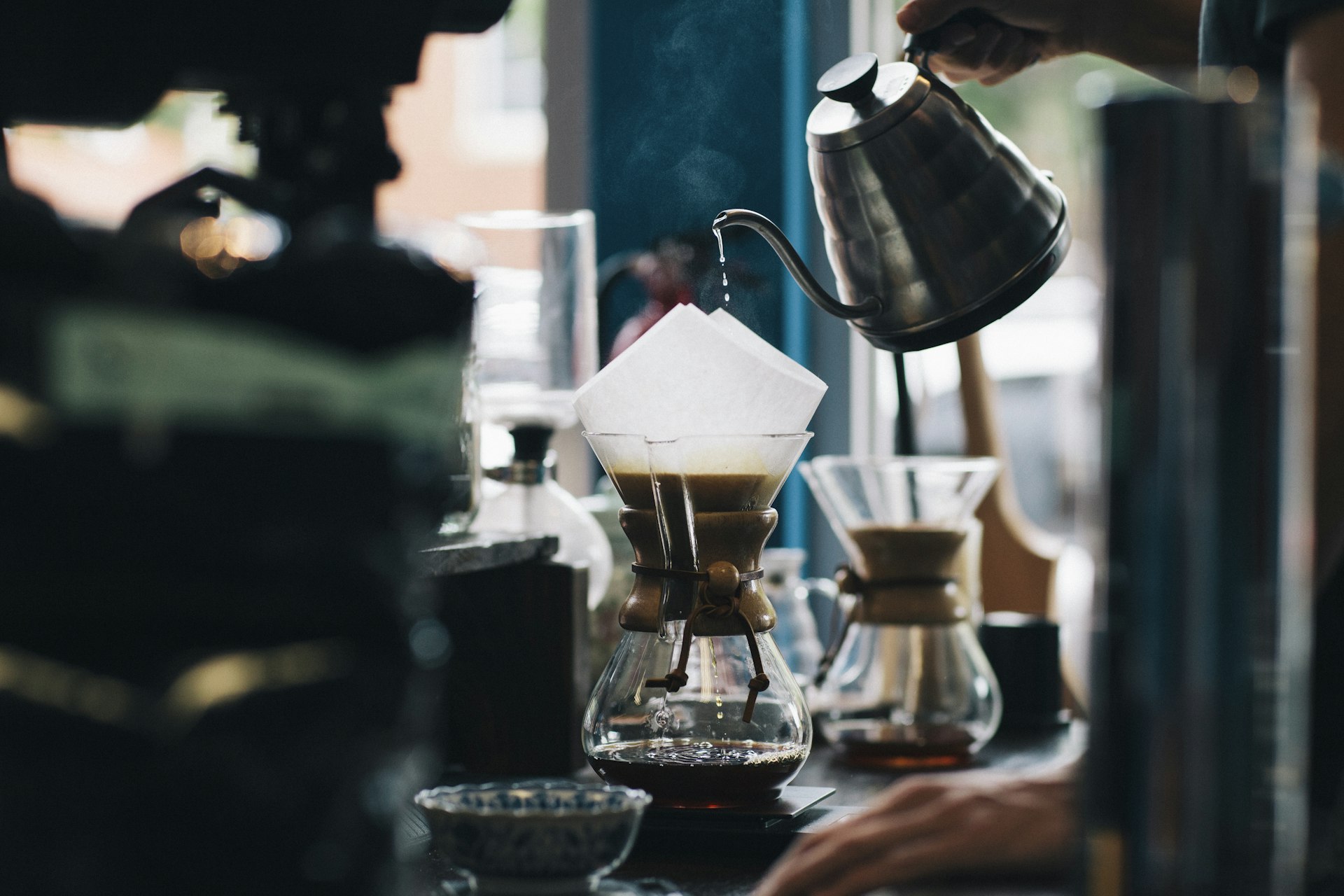
Coffee Culture in San Diego
The coffee culture in San Diego is deeply intertwined with its laid-back coastal lifestyle and a commitment to high-quality, ethically sourced products. Unlike the high-pressure environments of larger metropolitan hubs, the San Diego scene thrives on a balance of technical rigor and community connection. Here, you will find baristas who are as comfortable discussing processing methods—such as washed, natural, or honey-processed beans—as they are recommending a local breakfast spot. This welcoming atmosphere makes it an ideal place to engage with specialty coffee, whether you are a seasoned professional or a curious beginner just starting to explore the nuances of flavor profiles and terroir.
Notable Coffee Shops & Roasters
San Diego’s specialty coffee scene is anchored by roasters who have gained national recognition for their commitment to quality. Among these, Bird Rock Coffee Roasters remains a foundational institution, offering consistent excellence across their multiple locations. Their focus on high-scoring single-origin coffees and precise roasting is a testament to the city’s standard of quality. Another notable contributor is Mostra Coffee, whose innovation and dedication to Philippine specialty coffee have set a high bar for the industry. For those exploring the vibrant neighborhoods of North Park and beyond, shops like Dark Horse Coffee Roasters and Coffee & Tea Collective offer a distinctively local, creative energy that defines the city's third-wave identity. Many of these shops emphasize a direct relationship with producers, a concept explored in depth in The Complete World of Coffee, which examines the importance of supply chain transparency in achieving a superior cup.
Where to Learn About Coffee
For those looking to deepen their understanding, San Diego offers several avenues for education. From workshops on pour over brewing to advanced cupping classes, there is a wealth of knowledge available for those willing to look. I personally recommend engaging with local roasters who host regular educational events, as these sessions provide hands-on experience with equipment and sensory analysis. My own work, including The Complete World of Coffee and the educational resources at Lyons Den Publishing, is designed to complement these local efforts by providing research-backed explanations of coffee science. We focus on bridging the gap between theory and practice, helping you understand the 'why' behind extraction variables such as water chemistry, grind size, and contact time.
Brewing at Home
Mastering coffee at home is a journey, not a destination. Whether you prefer the control of a pour over, the immersion depth of a French press, or the clarity of cold brew, the foundation of your brew always begins with your beans. I advise all home brewers to source fresh, locally roasted coffee and to invest in a quality burr grinder. In my research, I’ve found that even small adjustments in your water temperature or brew ratio can yield significant changes in flavor. For a more structured approach, I encourage you to consult the brewing guides available in my coffee encyclopedia, which break down the physics and chemistry behind every popular brewing method.
Local Coffee Events
San Diego is a hotbed for coffee events and festivals, particularly those that celebrate the intersection of craft, agriculture, and technology. As the city continues to attract international attention—including the arrival of the World of Coffee exhibition—local meetups and regional barista competitions have become essential touchpoints for the community. These gatherings offer a rare opportunity to taste diverse origins, discuss industry trends, and connect with the very people responsible for bringing coffee from the farm to your cup. Staying active in the local specialty coffee community is one of the best ways to keep your knowledge current and your palate sharp.
Connecting to Coffee Origins
A true specialty coffee experience doesn't stop at the cafe door; it involves understanding the history and labor that precede the roast. From the legendary discovery of coffee in Ethiopia to the complex labor systems of modern global trade, understanding the origins is vital to appreciating the beverage. I encourage all coffee lovers to look beyond the label. Ask your barista about the farm, the processing method, and the history of the variety in your cup. By learning to identify the characteristics of different regions, you transform every sip into a deeper exploration of the global coffee landscape.