Coffee Topic Guide
Coffee Grinding: Grind Size, Burr Grinders & Extraction
Grinding is the single most overlooked variable in coffee brewing. The grind size determines how fast water extracts flavor, and uniformity determines how evenly that extraction happens. This guide explains grind size for every brew method, why burr grinders beat blade grinders, and how to adjust grind to fix sour or bitter cups.
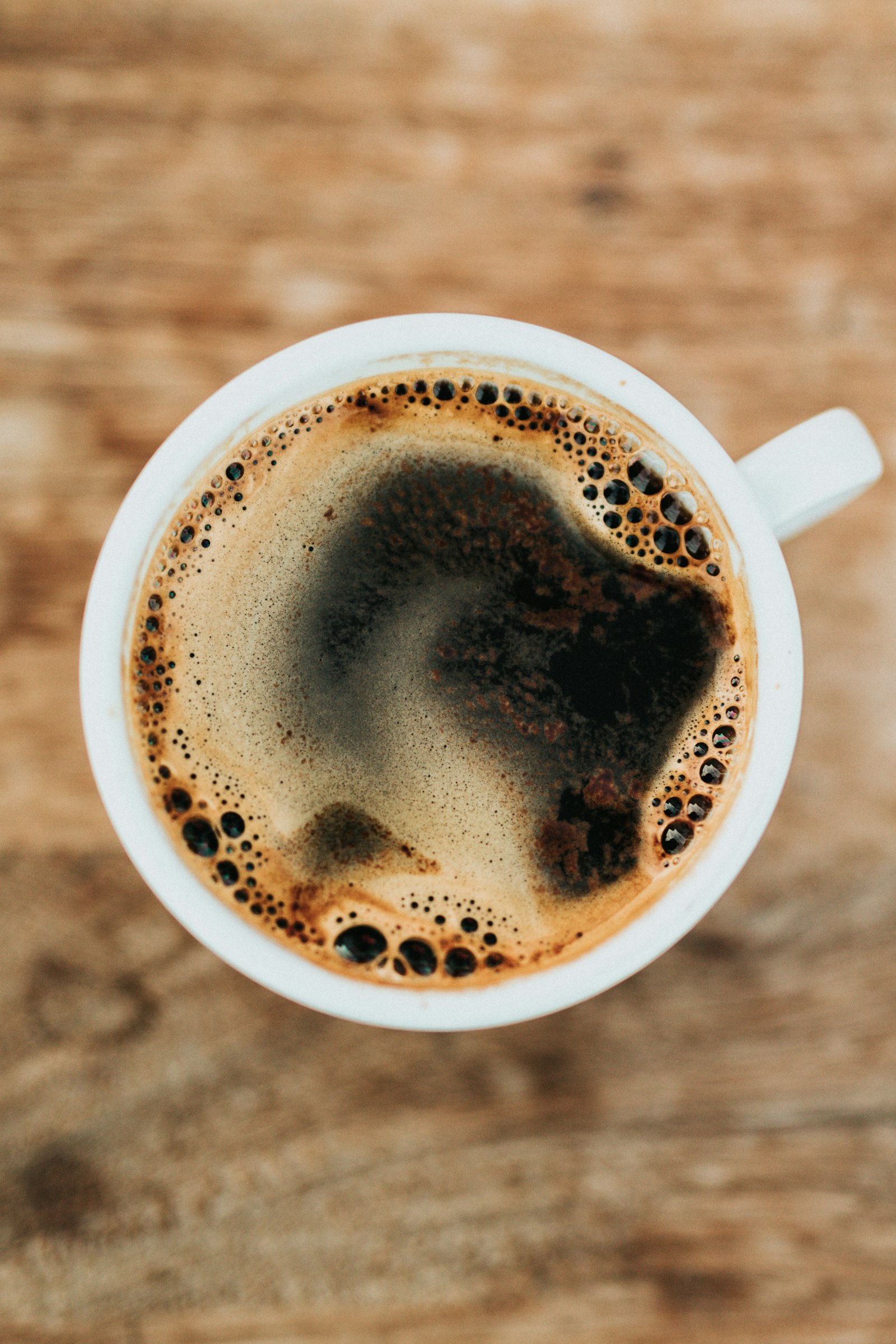
Photo for illustration. Topic guide by Keith E. Lyons.
Grind Size by Brew Method
Espresso needs a fine grind; pour over and drip use medium-fine to medium; French press and cold brew use coarse. The longer the contact time, the coarser the grind.
A grind that is too fine for the method over-extracts and clogs the filter; too coarse under-extracts and tastes weak and hollow.
Burr vs Blade Grinders
Burr grinders crush beans between two abrasive surfaces for uniform particles, giving consistent extraction and real control. Blade grinders chop randomly, producing a mix of fines and boulders that extracts unevenly.
For espresso especially, a quality burr grinder is essential, since dialing in requires fine, repeatable adjustment.
Using Grind to Fix Flavor
If coffee tastes sour, thin, or fast, grind finer to increase extraction. If it tastes bitter, harsh, or slow, grind coarser. Change only one variable at a time.
Freshness matters too: grind immediately before brewing, because ground coffee loses aroma within minutes and stale grind can never produce a great cup.
Related Encyclopedia Articles
In-depth reference entries related to grinding.
60 related entries
AeroPress Inverted Technique
By assembling the AeroPress upside down, coffee enthusiasts eliminate premature dripping, allowing full control over contact time and agitation. This detailed guide covers safe flipping dynamics, extended immersion steep profiles, and extraction parameters.
Brewing MethodsAeroPress Standard Recipe Guide
Combining immersion steeping with gentle air pressure extraction, the AeroPress offers unmatched versatility, speed, and clean flavor output. This standard position guide outlines grind tuning, steep durations, and plunge velocity for sweet, balanced cups every morning.
ComparisonAeropress Vs French Press
AeroPress and French press are both immersion-based manual coffee makers, but they produce strikingly different cups. While French press relies on passive steel mesh filtering that preserves coffee oils and fine sediment, AeroPress combines short immersion with air pressure filtration through paper discs, yielding a silt-free cup with high extraction control and rapid cleanup.
Brewing MethodsAmericano Ratio Guide
An Americano dilutes concentrated double espresso with hot water, yielding a beverage with filter-like volume but espresso flavor complexity. This guide explores dilution formulas, water temperatures, and sequence differences between Americano and Long Black.
Coffee ScienceAntioxidants in Coffee
Coffee constitutes a complex chemical matrix featuring over 1,000 bioactive compounds. The predominant polyphenols are chlorogenic acids (CGA), specifically 5-O-caffeoylquinic acid, which comprise 6% to 10% of green Arabica coffee’s dry weight and up to 14% in Robusta. During the roasting process, thermal degradation transforms these acids into quinic acid and caffeic acid, while simultaneously initiating the Maillard reaction to produce melanoidins. These high-molecular-weight nitrogenous polymers contribute significantly to the brew's total antioxidant capacity (TAC). A standard 200ml serving of coffee delivers a potent dose of 70mg to 350mg of chlorogenic acids, alongside hydroxycinnamic acids like ferulic and p-coumaric acids. These molecules neutralize reactive oxygen species (ROS) through electron donation, providing a robust defense against cellular oxidative damage.
EspressoBasket
Beyond simple filtration, the basket serves as the physical boundary for the coffee puck's expansion. During the pre-infusion phase, the coffee grinds absorb water and swell; the basket depth must accommodate this expansion while maintaining a headspace of 1mm to 2mm below the shower screen. Baskets are classified by their nominal capacity in grams, such as 7g (single), 14-18g (double), and 20-22g (triple). The 'Total Open Area' (TOA) of a basket—calculated by multiplying the number of holes by the area of a single hole—is the primary variable determining flow resistance. Precision baskets typically feature a higher hole density and wider TOA, requiring a finer grind size to achieve standard extraction times (25-30 seconds).
Equipment & ToolsBest Burr Grinder Under $200
Finding a high-performance burr grinder under $200 is crucial for unlocking optimal coffee flavor without breaking the bank. This guide evaluates top conical and flat burr options based on particle distribution, grind retention, and long-term durability.
RoastingBest Roast Level For Cold Brew
Cold water extraction over 12-24 hours alters solubility rates dramatically. Explore why Medium-Dark roasts generate smooth, chocolatey cold brew concentrates.
RoastingBest Roast Level For Espresso
Discover the ideal roast profile for high-pressure espresso extraction. Examine how solubility, degassing, and lipid emulsification create rich crema and balanced flavor.
RoastingBest Roast Level For Pour Over
Learn why Light to City+ roasts excel in gravity-fed pour over brewing. Explore how percolation extraction isolates delicate floral and fruit volatile compounds.
ComparisonBlade Vs Burr Grinder
Blade grinders shatter coffee beans randomly using high-speed spinning metal blades, creating a chaotic mix of huge boulders and microscopic dust fines. Burr grinders crush coffee beans between two engineered cutting plates, producing uniform particle sizes that extract evenly without bitter off-flavors.
RoastingBlonde Roast Explained
Blonde roast is an ultra-light roast development style dropped immediately as First Crack concludes. Understand the green chemical profile and extraction requirements.
Equipment & ToolsBottomless Portafilter Guide
A bottomless (naked) portafilter exposes the underside of the basket, giving baristas immediate visual feedback on extraction uniformity, channeling, and tiger-striping crema. This guide details how to read and fix shot flaws.
Brewing MethodsBrew Ratio
Brew ratio is the ratio of coffee (by weight) to water (by weight) used in brewing. Common ratios range from 1:2 for espresso to 1:17 for filter coffee. The brew ratio is one of the most fundamental brewing variables because it directly determines the strength (total dissolved solids) and balance of the resulting cup. A higher ratio of coffee to water produces a stronger, more concentrated brew.
Equipment & ToolsBurr Grinder
In the context of specialty coffee, the burr grinder is the foundational instrument for extraction control. Its ability to produce a specific, repeatable particle size distribution (PSD) allows the barista to manipulate the surface area available for solvent interaction. By shifting the burrs, one controls the rate at which organic acids, sugars, and oils are liberated from the cellulose matrix of the roasted bean. Technically, the mill operates via shear and compression forces. Flat burrs, typically ranging from 64mm to 98mm in diameter, produce a unimodal distribution ideal for high-clarity extractions. Conical burrs typically operate at lower rotational speeds of 400 to 600 RPM, minimizing thermal transfer and static build-up. Most commercial burrs are constructed from case-hardened steel, stainless steel, or ceramic materials like alumina, with high-end models featuring titanium or Red Speed coatings to reduce friction and extend the lifespan of the cutting edges beyond 500 kilograms of throughput.
Brewing MethodsBypass
<h2>Technical Application and Refractometry</h2> In the application of the SCA Brewing Control Chart, the use of bypass facilitates a vertical movement downward (reducing strength) without a horizontal shift (increasing extraction). When utilizing a VST Precision Refractometer to verify results, a barista can ensure that the bypass has achieved the target TDS without shifting the EY. For instance, if a 1.0-liter brew yields a 1.55% TDS and the target is 1.30% TDS, adding approximately 192ml of bypass water will achieve the target. This technique is particularly effective for managing high-density African coffees where long contact times might otherwise lead to unwanted bitterness.
Brewing MethodsCappuccino Technique Guide
The traditional Italian cappuccino balances equal thirds of espresso, steamed milk, and dense microfoam (1:1:1 ratio). This guide explains aeration timing, dome foam pouring techniques, and temperature control.
Coffee ScienceChaff
<h2>Botanical and Structural Composition</h2><p>The silver skin, or spermoderm, represents the innermost layer of the coffee fruit's integument, tightly encompassing the endosperm. During the developmental stages of the <em>Coffea arabica</em> and <em>Coffea canephora</em> seeds, this cellulosic tissue serves as a protective barrier. Structurally, the silver skin is composed of sclerenchyma cells, providing a fibrous matrix rich in polysaccharides. During the roasting cycle, specifically as the bean internal temperature reaches the range of 130°C to 160°C, the bean undergoes physical expansion. This expansion, coupled with the rapid evaporation of remaining moisture (typically 10-12% in green coffee), causes the silver skin to fracture and detach from the bean surface. In washed (wet-processed) coffees, the mechanical friction of pulping and the fermentation process remove a significant portion of the spermoderm, leaving only the portion trapped within the longitudinal fissure, or center cut. Conversely, natural (dry-processed) coffees retain a higher percentage of the silver skin until the roasting phase, where it is liberated as voluminous, lightweight flakes.</p>
Brewing MethodsChanneling
Channeling is a brewing defect that occurs when water finds paths of least resistance through a coffee bed, flowing through certain areas more quickly than others. This uneven flow causes some coffee to be over-extracted (bitter, astringent) while other areas are under-extracted (sour, weak), resulting in an unbalanced cup. Channeling is most common in espresso and pour over brewing.
Brewing MethodsChemex Brewing Technique Guide
Renowned for its iconic hourglass glass vessel and thick specialty filters, the Chemex yields one of the cleanest coffee cups in existence. By filtering out virtually all insoluble solids and diterpene oils, this guide details how to maximize sweetness and aromatic nuance.
ComparisonChemex Vs V60
Chemex and Hario V60 are iconic conical pour over drippers that deliver distinctly different extractions. The Chemex utilizes heavy laboratory-grade bonded paper filters (20-30% thicker) in an unribbed glass cone, producing ultra-clean, tea-like coffee. The Hario V60 uses spiral internal ribs and a large open exit orifice to maximize flow velocity, yields, and complex acidity.
Coffee ScienceChlorogenic Acid
Chlorogenic acid (CGA) is a family of ester compounds formed between caffeic acid and quinic acid, and is one of the most abundant phenolic compounds in coffee. Green Arabica coffee contains approximately 5 to 8 percent CGA by weight. During roasting, CGA degrades into lactones and phenylindanes, which contribute significantly to the bitterness, acidity, and antioxidant capacity of brewed coffee.
RoastingCity Roast Vs Full City Roast
Compare City roast and Full City roast profiles to understand how thermal development shapes flavor clarity, melanoidin formation, and extraction behavior.
Brewing MethodsClever Dripper Brewing Guide
The Clever Coffee Dripper combines full immersion steeping with paper filter drawdown through a patented stopper valve. This guide outlines water-first pouring protocols, grind selection, and steep timing for reliable repeatability.
Equipment & ToolsCoffee Bean Storage Containers
Roasted coffee beans degrade rapidly when exposed to oxygen, moisture, light, and ambient heat. This guide evaluates airtight vacuum canisters, one-way degassing valves, and glass vs stainless steel storage solutions.
Brewing MethodsCoffee Bloom Explained: CO2 Release During Brewing
The bloom is the rapid release of carbon dioxide gas from freshly ground coffee when it first contacts hot water. This degassing causes the coffee bed to swell and bubble, and is most visible during the first 30 to 45 seconds of a pour over brew.
Brewing MethodsCoffee Bloom: Degassing in Freshly Roasted Coffee
The phenomenon is chemically driven by the rapid displacement of carbon dioxide (CO2) molecules trapped within the roasted bean's cellular matrix. During the roasting process, the Maillard reaction and Strecker degradation produce significant quantities of CO2, which remains sequestered until the application of hot water—ideally between 92°C and 96°C. This thermal energy lowers the viscosity of the trapped oils and increases the kinetic energy of the gas, resulting in the characteristic swelling of the coffee bed. <h2>Scientific Basis of Degassing</h2> The cellulose structure of the coffee bean acts as a pressurized vessel for gases. Upon saturation, water infiltrates the micropores of the grounds, forcing the gas outward. This displacement is critical because CO2 is naturally hydrophobic and creates a physical barrier that prevents water from reaching the soluble compounds. A successful bloom typically lasts 30 to 45 seconds and requires a water-to-coffee ratio of approximately 2:1 by weight.
Sensory & TastingCoffee Body Explained
Coffee body (mouthfeel) is dictated by total dissolved solids, lipids, and insoluble suspended particles. Understand the physics of tactile body in coffee.
Coffee ScienceCoffee Borer Beetle
<h2>Environmental Management and Control</h2><p>Control of <i>H. hampei</i> requires a multi-faceted approach, as the beetle's internal nesting protects it from standard contact insecticides. Biological control often involves the entomopathogenic fungus <i>Beauveria bassiana</i>, which is applied at a concentration of 1x10^9 spores per milliliter. The fungus penetrates the beetle's exoskeleton, leading to mortality within 4 to 7 days. Additionally, the introduction of the parasitoid wasp <i>Cephalonomia stephanoderis</i> has proven effective in Latin American plantations, as the wasp enters the berry to prey upon borer larvae. Post-harvest, meticulous sanitation of processing equipment and the use of GrainPro or hermetic storage bags prevent cross-contamination in the warehouse environment.</p>
Equipment & ToolsCoffee Cupping Supplies Guide
Coffee cupping is the standardized global protocol for evaluating green coffee quality, roast uniformity, and flavor attributes. This guide details SCA-certified cupping bowls, silver-plated cupping spoons, sample grinders, and sensory scorecards.
Equipment & ToolsCoffee Distributor Tool Guide
Wedge-style coffee distribution tools smooth the top surface of the coffee bed prior to tamping. This guide compares rotating wedge levelers against needle distribution tools for optimal puck preparation.
Equipment & ToolsCoffee Dosing Funnel Guide
Dosing funnels fit securely onto portafilter baskets to prevent ground coffee spills during grinding and WDT distribution. This guide evaluates magnetic dosing rings, twist-lock funnels, and grinder chute compatibility.
Equipment & ToolsCoffee Grinder Cleaning Guide
Rancid coffee oils and stale grounds trapped inside burr chambers pollute fresh coffee beans and impair grind particle consistency. This guide details manual burr disassembly, dry brushing, and all-natural cleaning tablets.
Equipment & ToolsCoffee Knock Box Guide
A knock box provides a durable, hygienic location to discard spent espresso pucks without damaging portafilter baskets or counter surfaces. This guide compares countertop, shock-absorbing rubber bar, and under-grinder drawer knock boxes.
Coffee ScienceCoffee Leaf Rust
Hemileia vastatrix belongs to the order Pucciniales and is an obligate biotrophic fungus, meaning it requires living host tissue to survive. The infection cycle begins when urediniospores are deposited on the abaxial (underside) surface of the coffee leaf, typically via wind or rain splash. Germination occurs only in the presence of free water—such as dew or rainfall—within a temperature range of 15°C to 28°C. Upon germination, the fungus enters the leaf through the stomata and establishes a mycelium that colonizes the internal tissue. The visual manifestation of the disease begins as small, chlorotic spots that expand into characteristic orange, powdery pustules. These pustules contain thousands of spores capable of further infection. The physiological impact includes a rapid reduction in photosynthetic capacity and the eventual abscission of the leaf. Severe cases lead to 'dieback,' where the plant's branches wither due to carbohydrate depletion, often resulting in the death of the tree or a total loss of the following year's crop.
Equipment & ToolsCoffee Maker Descaling Guide
Limescale accumulation restricts water flow, causes heating element failures, and alters brew temperatures in coffee makers. This guide compares commercial organic acid descalers, citric acid formulations, and why vinegar should be avoided.
Equipment & ToolsCoffee Refractometer Guide
Digital coffee refractometers measure Total Dissolved Solids (TDS) in liquid coffee using light refraction, allowing precise calculation of Extraction Yield (EY). This advanced guide explains refractometry principles, sample filtration, and brewing control charts.
Equipment & ToolsCoffee Roaster
The coffee roaster operates through three primary modes of heat transfer: conduction, convection, and radiation. Modern drum roasters typically utilize a 70:30 or 80:20 ratio of convection to conduction, respectively. Since the first industrial-scale drum roaster was patented by Elizabeth Dakin in 1848 and later refined by Alex van Gulpen in 1868, the mechanical engineering of these units has focused on thermal stability and airflow control. Internally, the roasting process triggers the Maillard reaction between 140°C and 165°C, followed by caramelization of sucrose at approximately 170°C. Advanced roasters incorporate variable frequency drives (VFD) for both drum speed and fan motor control, allowing operators to manipulate the Rate of Rise (RoR) precisely. Industrial units employ cyclone separators to isolate chaff and afterburners to mitigate Volatile Organic Compounds (VOCs) and particulates before exhaust. The thermodynamics within the drum involve complex fluid dynamics where air temperature (Environmental Temperature) and bean mass temperature (Bean Temperature) are monitored via J-type or K-type thermocouples. These sensors provide the data necessary for profiling software to track development in real-time.
Equipment & ToolsCoffee Scale For Espresso
Precision in dose and yield measurement is the hallmark of modern specialty espresso extraction. A high-accuracy coffee scale accurate to 0.1 grams with low latency and integrated timing is vital for dialing in recipes consistently.
Equipment & ToolsCoffee Subscription Box Comparison
Specialty coffee subscriptions deliver freshly roasted single-origin beans and curated blends directly to your door. This comparison guide evaluates multi-roaster clubs, single-roaster clubs, flavor matching algorithms, and roast-to-order timelines.
Equipment & ToolsCoffee Thermos And Travel Mug Guide
Transporting specialty coffee requires maintaining optimal temperature without imparting metallic off-flavors or causing spills. This guide compares double-wall vacuum insulation, ceramic interior coatings, leakproof lids, and car cup holder ergonomics.
Brewing MethodsCoffee To Water Ratio Calculator Guide
Coffee brewing relies on dry coffee-to-water mass ratios expressed in weight (grams). This guide provides mathematical formulas, method lookup charts, and mass conversions to calibrate extraction yields.
Brewing MethodsCold Brew Coffee Ratio Guide
Cold brew uses extended steeping times (12 to 24 hours) at ambient or refrigerated temperatures instead of thermal energy. This guide details proper brew ratios, filtration methods, and water chemistry to produce a silky, low-acid coffee concentrate.
Brewing MethodsCold Drip Coffee Brewing
Cold drip brewing—also known as Dutch or Kyoto drip—uses a slow, regulated drop-by-drop percolation process over several hours. This guide explains how drip rate modulation produces a brilliantly clear, wine-like iced coffee experience with intense aromatics.
ComparisonConical Vs Flat Burr Grinder
Burr geometry dictates particle size distribution and extraction dynamics. Conical burrs produce bimodal particle distribution (two size peaks) that enhances mouthfeel and espresso forgiveness. Flat burrs deliver unimodal, highly uniform particle distribution, yielding pristine flavor separation, sweetness, and high extraction yields.
Brewing MethodsCortado Ratio Guide
Derived from the Spanish verb *cortar* (to cut), the cortado features equal parts double espresso and lightly steamed milk (1:1 ratio). This guide covers drink ratios, thermal balance, and flavor calibration.
Brewing MethodsCowboy Coffee Method
Cowboy coffee is an unfiltered open-pot decoction made from just two ingredients — coarse-ground coffee and water, with no filter. After the water boils and is removed from the heat, the coarse grounds steep for about 4 minutes (rather than being boiled), then settle with a cold-water splash for a clean cup.
EspressoCrema
Crema is the golden to dark brown foam that forms on top of a properly extracted espresso shot. It consists of tiny bubbles of carbon dioxide gas emulsified with coffee oils and suspended fine particles. Crema contributes to the visual appeal, aromatic complexity, mouthfeel, and flavor balance of espresso, and is widely considered a hallmark of a well-prepared shot.
Equipment & ToolsCupping Spoon
<h3>Physical Specifications and Materials</h3><p>The design of the cupping spoon is predicated on the mechanics of fluid dynamics and aerosolization. When a taster performs a 'slurp,' the deep bowl of the spoon acts as a reservoir that allows air to be drawn over the liquid at high velocity. This process atomizes the coffee into a fine mist of droplets, maximizing the contact area between the coffee and the approximately 10,000 taste buds on the human tongue, as well as the olfactory epithelium. 18/10 stainless steel is the industry standard due to its resistance to corrosion from the chlorogenic acids and lipids found in coffee. In contrast, low-quality plated metals can introduce a 'metallic' sensory taint, particularly iron or copper notes, which would lead to an inaccurate score on the SCA sensory evaluation form. The handle length, typically between 15 and 17 centimeters, is designed to allow the taster to reach the bottom of standard 200ml to 260ml cupping bowls without their hand obstructing the view of the coffee surface.</p>
Coffee ScienceDecaffeination
Decaffeination is the process of removing caffeine from coffee beans. The four primary methods are the Swiss Water Process, the CO2 Process, the Direct Solvent Method, and the Indirect Solvent Method. All remove 97% or more of caffeine.
Coffee ScienceDefects
Coffee defects are imperfections in green or roasted coffee beans that negatively affect flavor, aroma, or appearance. The SCA Green Coffee Classification limits defects in specialty-grade coffee to a maximum of 5 full defects per 300g.
EspressoDialing In
<h2>Summary of Dialing In Variables</h2><table><thead><tr><th>Variable</th><th>Adjustment</th><th>Effect on Extraction</th></tr></thead><tbody><tr><td>Grind Size</td><td>Finer</td><td>Increases surface area, increases resistance, slows flow, increases extraction.</td></tr><tr><td>Dose Mass</td><td>Increase</td><td>Increases puck depth, increases resistance, slows flow, increases strength.</td></tr><tr><td>Yield</td><td>Increase</td><td>Increases the amount of solvent passing through, increases total extraction, decreases TDS (strength).</td></tr><tr><td>Temperature</td><td>Increase</td><td>Increases chemical solubility, accelerates the extraction of sugars and bitters.</td></tr></tbody></table>
EspressoDoppio Double Espresso Guide
The doppio—a double shot of espresso—is the global benchmark recipe for specialty cafes and competition sensory evaluation. Utilizing a double basket loaded with 18.0 to 20.0 grams of ground coffee, the doppio balances concentration, clarity, and volume. Master the fundamental chemical parameter limits of modern doppio extractions.
Brewing MethodsDrip Coffee Machine Optimization
Automatic drip coffee makers can deliver exceptional coffee when optimized according to Specialty Coffee Association (SCA) Gold Cup standards. This guide covers water temperature calibration, brew basket geometry, and grind size adjustments.
EspressoEspresso Brew Ratio
The brew ratio—the relationship between dry coffee dose and liquid beverage weight—is the single most effective variable for controlling beverage strength and extraction yield. Moving from a 1:1 ristretto to a 1:2.5 modern espresso fundamentally shifts compound solubility dynamics. Explore the sensory and chemical impacts of ratio selection.
EspressoEspresso Crema Guide
Crema is a foam composed of carbon dioxide gas bubbles trapped inside a liquid suspension of coffee lipids, melanoidins, and fine insoluble particles. Forced under high brewing pressure, supersaturated CO2 outgasses as pressure drops at the basket exit. Uncover the foam stability mechanics and sensory implications of crema.
EspressoEspresso Dose Consistency
A coffee dose is the measured mass of dry ground coffee loaded into the portafilter basket for a shot of espresso—commonly 18 grams in specialty preparation. Small variations in coffee dose as low as 0.2 grams fundamentally alter puck height, compaction density, and headspace clearance beneath the shower screen. Maintaining precise dose mass consistency to 0.1-gram accuracy is non-negotiable for reproducible extraction parameters. Explore the science of dose precision and basket headroom.
EspressoEspresso Extraction
The physics of extraction relies on Darcy’s Law, where the flow rate of the solvent relates directly to the permeability of the coffee bed and the applied pressure gradient. This process involves the biphasic extraction of soluble solids and the suspension of insoluble lipids and micronized coffee particles. Water temperature, ideally maintained between 90°C and 96°C, determines the kinetic energy available to dissolve compounds such as chlorogenic acids, caffeine, and sucrose. The sudden pressure drop as the liquid exits the portafilter basket causes dissolved carbon dioxide to come out of solution, forming the micro-bubbles that constitute the crema. High-pressure extraction facilitates the emulsification of approximately 1-2 mg of lipids per milliliter, providing the viscous mouthfeel unique to this brewing method. Chemical analysis via refractometry and liquid chromatography reveals that the first 10-15% of the extraction contains the highest concentration of acids and sugars, while the latter portion introduces larger molecular weight compounds, including melanoidins and polyphenols, which contribute to bitterness and body.
EspressoEspresso Extraction Yield
Extraction yield measures the percentage of dry coffee grounds mass dissolved into the liquid beverage. Operating within the target window of 18% to 22% requires understanding compound solubility rates, refractometer calibration, and total dissolved solids (TDS). Master the chemical and mathematical principles behind optimal extraction.
EspressoEspresso Grinder Adjustment
The grinder is the most critical mechanical component in espresso preparation. Controlling particle size distribution—bimodal particle curves featuring coarse particles and microscopic fines—determines hydraulic bed resistance and mass transfer rate. Master the physical mechanics of burr calibration and retention purging.
Frequently Asked Questions
What grind size should I use for espresso?
Espresso uses a fine grind, slightly finer than table salt, that provides enough resistance for a 25 to 35 second shot.
What grind is best for French press?
French press uses a coarse grind, like sea salt, to reduce sediment and avoid over-extraction during the long steep.
Are burr grinders really better than blade grinders?
Yes. Burr grinders produce uniform particles for even extraction and let you repeat a setting, while blade grinders create uneven grounds that extract inconsistently.
Why does my coffee taste sour?
Sourness usually means under-extraction. Grind finer, increase the dose, raise the water temperature, or extend the brew time.
How long does ground coffee stay fresh?
Ground coffee loses most of its aroma within minutes to an hour. For the best flavor, grind immediately before brewing.
Go Deeper with The Complete World of Coffee
A 600-page specialty coffee reference covering grinding, brewing science, origins, and more, grounded in research, not folklore.
Order the Book