Coffee Topic Guide
Coffee Roasting: Levels, Stages & Flavor Development
Roasting transforms green coffee into the aromatic brown beans we brew. Applying heat drives off moisture, triggers chemical reactions, and develops hundreds of flavor compounds. This guide explains roast levels, the stages of a roast, the Maillard reaction and first crack, and how development time shapes the final flavor, body, and acidity.
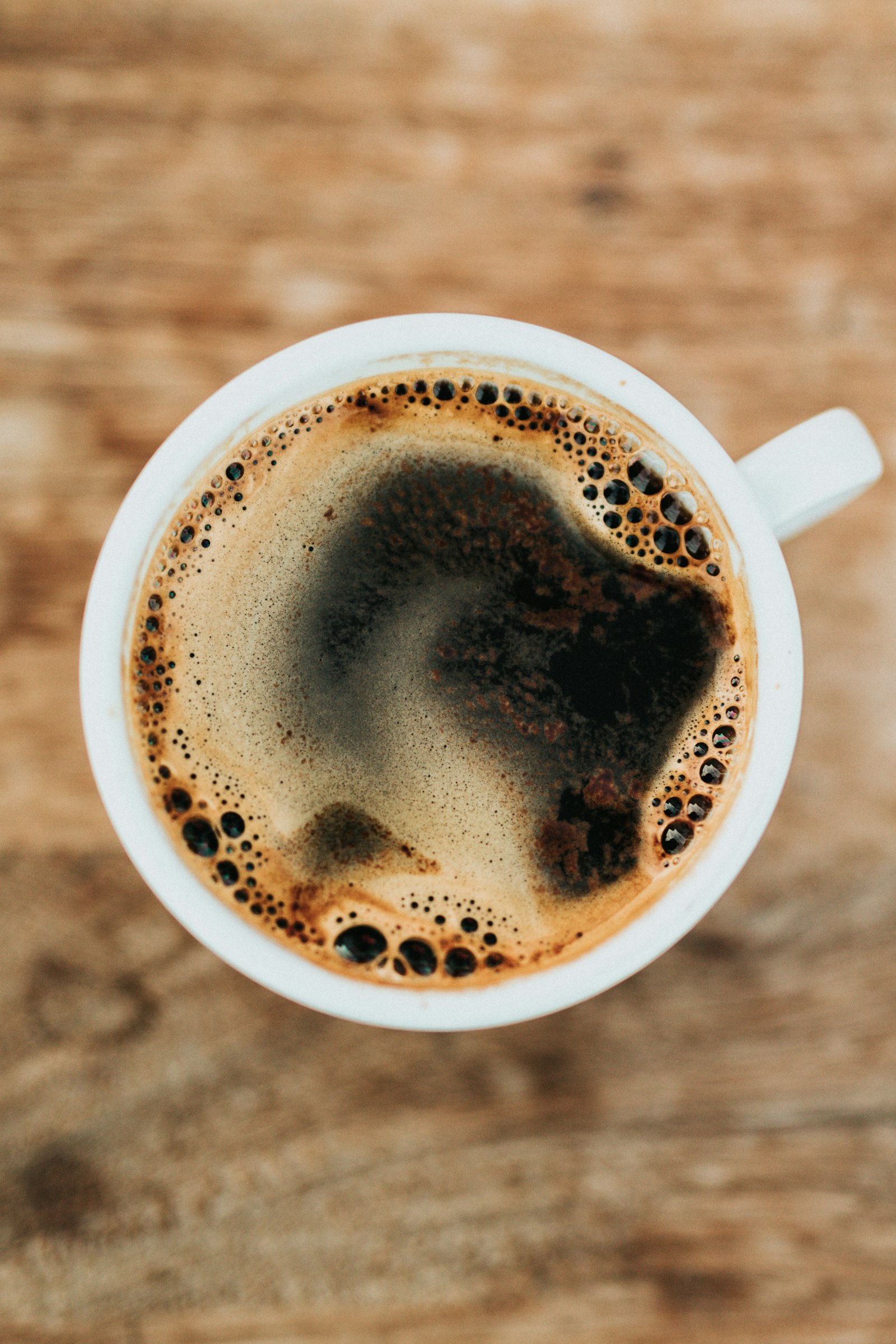
Photo for illustration. Topic guide by Keith E. Lyons.
Roast Levels Explained
Light roasts are stopped soon after first crack, preserving acidity, origin character, and delicate aromas. Medium roasts develop more sweetness and body. Dark roasts, taken into or past second crack, emphasize bittersweet, roasted notes and reduce acidity.
There is no universally best roast; the goal is matching roast level to the bean and the intended brew method.
The Stages: Drying, Maillard, Development
A roast moves through drying (moisture leaves the bean), the Maillard reaction and caramelization (sugars and amino acids brown and create flavor), and development (the roast is stabilized to avoid grassy, underdeveloped flavors).
First crack is the moment steam pressure splits the bean, marking the transition from endothermic to exothermic. Development time after first crack is a key variable for balance.
How Roast Affects Flavor
Lighter roasts keep more of the bean's origin acidity and fruit or floral notes. Darker roasts trade those for chocolate, nut, and roast flavors, plus heavier body and lower acidity.
For espresso, slightly darker development often improves solubility and balance; for pour over, lighter roasts showcase clarity.
Related Encyclopedia Articles
In-depth reference entries related to roasting.
60 related entries
Aftertaste
Physiological perception of aftertaste is driven by retronasal olfaction, the process wherein volatile organic compounds (VOCs) move from the oral cavity to the olfactory epithelium through the nasopharynx after swallowing. This sensation is distinct from the initial gustatory response to taste buds. Molecular persistence is dictated by the adherence of hydrophobic compounds, such as melanoidins and non-polar lipids, to the oral mucosa. Key chemical contributors include 4-vinylguaiacol, which provides spicy or clove-like notes, and 2-furfurylthiol, responsible for roasted characteristics. The duration and intensity of the finish are measurable via the decay curve of specific aromatic markers. In sensory analysis, this phase is categorized as the 'residual' flavor profile, representing the final stage of the temporal sensory experience. High-quality Arabica typically exhibits a slow decay of sucrose-like sweetness and tartaric acidity, whereas low-quality Robusta often presents a rapid onset of 4-ethylguaiacol, resulting in a persistent medicinal or rubbery finish.
Coffee ScienceAntioxidants in Coffee
Coffee constitutes a complex chemical matrix featuring over 1,000 bioactive compounds. The predominant polyphenols are chlorogenic acids (CGA), specifically 5-O-caffeoylquinic acid, which comprise 6% to 10% of green Arabica coffee’s dry weight and up to 14% in Robusta. During the roasting process, thermal degradation transforms these acids into quinic acid and caffeic acid, while simultaneously initiating the Maillard reaction to produce melanoidins. These high-molecular-weight nitrogenous polymers contribute significantly to the brew's total antioxidant capacity (TAC). A standard 200ml serving of coffee delivers a potent dose of 70mg to 350mg of chlorogenic acids, alongside hydroxycinnamic acids like ferulic and p-coumaric acids. These molecules neutralize reactive oxygen species (ROS) through electron donation, providing a robust defense against cellular oxidative damage.
RoastingBest Roast Level For Cold Brew
Cold water extraction over 12-24 hours alters solubility rates dramatically. Explore why Medium-Dark roasts generate smooth, chocolatey cold brew concentrates.
RoastingBest Roast Level For Espresso
Discover the ideal roast profile for high-pressure espresso extraction. Examine how solubility, degassing, and lipid emulsification create rich crema and balanced flavor.
RoastingBest Roast Level For French Press
Full immersion brewing in a French press extracts rich lipids and soluble solids. Discover why Medium-Dark and Full City roasts perform exceptionally well.
RoastingBest Roast Level For Pour Over
Learn why Light to City+ roasts excel in gravity-fed pour over brewing. Explore how percolation extraction isolates delicate floral and fruit volatile compounds.
RoastingBlonde Roast Explained
Blonde roast is an ultra-light roast development style dropped immediately as First Crack concludes. Understand the green chemical profile and extraction requirements.
Sensory & TastingBody
Body, also called mouthfeel, refers to the physical weight, texture, and viscosity of coffee as it is perceived in the mouth. It is a tactile sensation rather than a taste, ranging from thin and tea-like to thick and syrupy. Body is influenced by brewing method, coffee oils, suspended solids, roast level, and the variety and origin of the coffee.
Equipment & ToolsBurr Grinder
In the context of specialty coffee, the burr grinder is the foundational instrument for extraction control. Its ability to produce a specific, repeatable particle size distribution (PSD) allows the barista to manipulate the surface area available for solvent interaction. By shifting the burrs, one controls the rate at which organic acids, sugars, and oils are liberated from the cellulose matrix of the roasted bean. Technically, the mill operates via shear and compression forces. Flat burrs, typically ranging from 64mm to 98mm in diameter, produce a unimodal distribution ideal for high-clarity extractions. Conical burrs typically operate at lower rotational speeds of 400 to 600 RPM, minimizing thermal transfer and static build-up. Most commercial burrs are constructed from case-hardened steel, stainless steel, or ceramic materials like alumina, with high-end models featuring titanium or Red Speed coatings to reduce friction and extend the lifespan of the cutting edges beyond 500 kilograms of throughput.
Sensory & TastingCaramel Coffee Flavor Profile
Caramel notes result from sucrose pyrolysis between 160°C and 200°C during roasting. Learn the chemistry of caramelization and caramel coffee sweetness.
Coffee ScienceChaff
<h2>Botanical and Structural Composition</h2><p>The silver skin, or spermoderm, represents the innermost layer of the coffee fruit's integument, tightly encompassing the endosperm. During the developmental stages of the <em>Coffea arabica</em> and <em>Coffea canephora</em> seeds, this cellulosic tissue serves as a protective barrier. Structurally, the silver skin is composed of sclerenchyma cells, providing a fibrous matrix rich in polysaccharides. During the roasting cycle, specifically as the bean internal temperature reaches the range of 130°C to 160°C, the bean undergoes physical expansion. This expansion, coupled with the rapid evaporation of remaining moisture (typically 10-12% in green coffee), causes the silver skin to fracture and detach from the bean surface. In washed (wet-processed) coffees, the mechanical friction of pulping and the fermentation process remove a significant portion of the spermoderm, leaving only the portion trapped within the longitudinal fissure, or center cut. Conversely, natural (dry-processed) coffees retain a higher percentage of the silver skin until the roasting phase, where it is liberated as voluminous, lightweight flakes.</p>
Coffee ScienceChlorogenic Acid
Chlorogenic acid (CGA) is a family of ester compounds formed between caffeic acid and quinic acid, and is one of the most abundant phenolic compounds in coffee. Green Arabica coffee contains approximately 5 to 8 percent CGA by weight. During roasting, CGA degrades into lactones and phenylindanes, which contribute significantly to the bitterness, acidity, and antioxidant capacity of brewed coffee.
Sensory & TastingChocolate Coffee Flavor Profile
Chocolate notes are formed through Maillard pyrazine synthesis and sucrose thermal breakdown during roasting. Explore the chemical roots of chocolate coffee profiles.
RoastingCinnamon Roast Guide
Cinnamon roast coffee is an ultra-light roast dropped at the very onset of First Crack. Explore the green chemistry, unreacted organic acids, and unique brewing considerations of cinnamon roasts.
RoastingCity Roast Vs Full City Roast
Compare City roast and Full City roast profiles to understand how thermal development shapes flavor clarity, melanoidin formation, and extraction behavior.
Equipment & ToolsCoffee Bean Storage Containers
Roasted coffee beans degrade rapidly when exposed to oxygen, moisture, light, and ambient heat. This guide evaluates airtight vacuum canisters, one-way degassing valves, and glass vs stainless steel storage solutions.
Sensory & TastingCoffee Bitterness Causes
Bitterness in coffee is driven by phenylindanes, chlorogenic acid lactones, and caffeine. Analyze the chemistry of bitterness and how to manage it in roasting and brewing.
RoastingCoffee Blending
<h2>Summary of Blending Objectives</h2><ul><li><b>Consistency:</b> Offsetting seasonal crop variations to maintain a stable flavor profile for wholesale accounts.</li><li><b>Complexity:</b> Combining the bright phosphoric acidity of a Kenyan SL-28 with the syrupy body of a Sumatran Mandheling to create a balanced sensory experience.</li><li><b>Cost Management:</b> Utilizing high-quality but lower-priced 'filler' beans as a base to make premium specialty coffee more accessible.</li><li><b>Functionality:</b> Optimizing coffees for specific brew methods, such as increasing soluble solids for cold brew or enhancing crema for espresso.</li></ul>
Brewing MethodsCoffee Bloom: Degassing in Freshly Roasted Coffee
The phenomenon is chemically driven by the rapid displacement of carbon dioxide (CO2) molecules trapped within the roasted bean's cellular matrix. During the roasting process, the Maillard reaction and Strecker degradation produce significant quantities of CO2, which remains sequestered until the application of hot water—ideally between 92°C and 96°C. This thermal energy lowers the viscosity of the trapped oils and increases the kinetic energy of the gas, resulting in the characteristic swelling of the coffee bed. <h2>Scientific Basis of Degassing</h2> The cellulose structure of the coffee bean acts as a pressurized vessel for gases. Upon saturation, water infiltrates the micropores of the grounds, forcing the gas outward. This displacement is critical because CO2 is naturally hydrophobic and creates a physical barrier that prevents water from reaching the soluble compounds. A successful bloom typically lasts 30 to 45 seconds and requires a water-to-coffee ratio of approximately 2:1 by weight.
Coffee ScienceCoffee Borer Beetle
<h2>Environmental Management and Control</h2><p>Control of <i>H. hampei</i> requires a multi-faceted approach, as the beetle's internal nesting protects it from standard contact insecticides. Biological control often involves the entomopathogenic fungus <i>Beauveria bassiana</i>, which is applied at a concentration of 1x10^9 spores per milliliter. The fungus penetrates the beetle's exoskeleton, leading to mortality within 4 to 7 days. Additionally, the introduction of the parasitoid wasp <i>Cephalonomia stephanoderis</i> has proven effective in Latin American plantations, as the wasp enters the berry to prey upon borer larvae. Post-harvest, meticulous sanitation of processing equipment and the use of GrainPro or hermetic storage bags prevent cross-contamination in the warehouse environment.</p>
Equipment & ToolsCoffee Cupping Supplies Guide
Coffee cupping is the standardized global protocol for evaluating green coffee quality, roast uniformity, and flavor attributes. This guide details SCA-certified cupping bowls, silver-plated cupping spoons, sample grinders, and sensory scorecards.
Coffee ScienceCoffee Leaf Rust
Hemileia vastatrix belongs to the order Pucciniales and is an obligate biotrophic fungus, meaning it requires living host tissue to survive. The infection cycle begins when urediniospores are deposited on the abaxial (underside) surface of the coffee leaf, typically via wind or rain splash. Germination occurs only in the presence of free water—such as dew or rainfall—within a temperature range of 15°C to 28°C. Upon germination, the fungus enters the leaf through the stomata and establishes a mycelium that colonizes the internal tissue. The visual manifestation of the disease begins as small, chlorotic spots that expand into characteristic orange, powdery pustules. These pustules contain thousands of spores capable of further infection. The physiological impact includes a rapid reduction in photosynthetic capacity and the eventual abscission of the leaf. Severe cases lead to 'dieback,' where the plant's branches wither due to carbohydrate depletion, often resulting in the death of the tree or a total loss of the following year's crop.
Equipment & ToolsCoffee Roaster
The coffee roaster operates through three primary modes of heat transfer: conduction, convection, and radiation. Modern drum roasters typically utilize a 70:30 or 80:20 ratio of convection to conduction, respectively. Since the first industrial-scale drum roaster was patented by Elizabeth Dakin in 1848 and later refined by Alex van Gulpen in 1868, the mechanical engineering of these units has focused on thermal stability and airflow control. Internally, the roasting process triggers the Maillard reaction between 140°C and 165°C, followed by caramelization of sucrose at approximately 170°C. Advanced roasters incorporate variable frequency drives (VFD) for both drum speed and fan motor control, allowing operators to manipulate the Rate of Rise (RoR) precisely. Industrial units employ cyclone separators to isolate chaff and afterburners to mitigate Volatile Organic Compounds (VOCs) and particulates before exhaust. The thermodynamics within the drum involve complex fluid dynamics where air temperature (Environmental Temperature) and bean mass temperature (Bean Temperature) are monitored via J-type or K-type thermocouples. These sensors provide the data necessary for profiling software to track development in real-time.
Equipment & ToolsCoffee Subscription Box Comparison
Specialty coffee subscriptions deliver freshly roasted single-origin beans and curated blends directly to your door. This comparison guide evaluates multi-roaster clubs, single-roaster clubs, flavor matching algorithms, and roast-to-order timelines.
RoastingDark Roast Coffee Guide
Dark roast coffee is shaped by advanced pyrolysis, structural cell breakdown, and lipid migration. Discover the chemical transformation, bold flavor profiles, and lower temperature brewing techniques for dark roasts.
Coffee ScienceDecaffeination
Decaffeination is the process of removing caffeine from coffee beans. The four primary methods are the Swiss Water Process, the CO2 Process, the Direct Solvent Method, and the Indirect Solvent Method. All remove 97% or more of caffeine.
Coffee ScienceDefects
Coffee defects are imperfections in green or roasted coffee beans that negatively affect flavor, aroma, or appearance. The SCA Green Coffee Classification limits defects in specialty-grade coffee to a maximum of 5 full defects per 300g.
RoastingDevelopment Time
<h2>Chemical Transformations During Development</h2><p>As the bean enters development, the cellulose structure becomes increasingly porous, allowing for the release of CO2 and water vapor. The Strecker degradation, a sub-reaction of the Maillard process, accelerates, yielding crucial aromatic compounds such as aldehydes and ketones. Simultaneously, sucrose begins to caramelize, producing larger molecules like caramelans and caramelens which contribute to sweetness and color. If the development time is insufficient (often below 15% DTR), the chlorogenic acids do not degrade enough, leaving the coffee with a metallic, grassy, or astringent profile. Optimal development ensures the degradation of these acids while promoting the synthesis of melanoidins, the brown pigments responsible for the coffee's body and crema quality in espresso.</p>
Coffee CultureDirect Trade
The implementation of direct trade also addresses the 'price-discovery' problem in coffee. By ignoring the New York Board of Trade fluctuations, roasters stabilize the local economies of growing regions such as the Tarrazú Valley in Costa Rica or the Chiriquí province in Panama. This model incentivizes the production of experimental lots, including honey-processed or carbonic macerated coffees, which require more labor-intensive drying and monitoring phases. The resultant data—ranging from farm altitude in meters above sea level (MASL) to specific soil pH levels—is often shared with the end-consumer, linking the physical product to its specific geographic and chemical origin.
Brewing MethodsEspresso Shot Pulling Guide
Espresso is the ultimate test of extraction precision, forcing water under 9 bars of pressure through a compacted cake of finely ground coffee. This guide breaks down dose-to-yield formulas, Weiss Distribution Technique (WDT), pressure dynamics, and crema development.
EspressoEspresso Water Temperature
Water temperature serves as the thermodynamic engine for coffee extraction. Adjusting thermal energy between 88°C and 96°C selectively accelerates or suppresses specific chemical dissolution rates based on organic roast compounds and density. Master temperature tuning according to coffee roast level and bean processing.
Coffee ScienceExtraction
Extraction is the process of dissolving soluble compounds from ground coffee into water, producing the beverage we know as coffee. During extraction, water pulls acids, sugars, lipids, carbohydrates, and melanoidins from the coffee grounds in a sequence that shapes flavor, body, and aroma.
Coffee CultureFair Trade
Fair Trade is a certification system ensuring coffee farmers receive a minimum price floor for their crop, along with a community development premium. Fair Trade Certified coffee is produced by smallholder farmer cooperatives meeting social, environmental, and economic standards.
RoastingFirst Crack
First crack is an audible popping sound that occurs during coffee roasting, typically between 196 and 205 degrees Celsius (385 to 401 degrees Fahrenheit). It marks the transition from the drying phase to the development phase of roasting. During first crack, moisture trapped inside the bean rapidly expands and fractures the bean structure, releasing steam and causing an audible pop similar to popcorn.
RoastingFirst Crack In Coffee Roasting
First Crack is a vital physical and chemical milestone in coffee roasting driven by steam pressure buildup and cellulose expansion. Learn the mechanics behind First Crack.
Coffee CultureFlat White
<h2>Technical Composition and Origin</h2>The flat white is defined by its specific ratio of espresso to milk and the unique texture of the microfoam. Unlike the latte, which typically features a 1-centimeter layer of foam, the flat white restricts the foam layer to approximately 0.5 centimeters. This microfoam is created by aerating milk between 60°C and 65°C (140°F-149°F), ensuring the denaturation of whey proteins without scorching the lactose, which maintains a natural sweetness. The beverage typically utilizes a double shot (36g to 40g yield) of espresso, often pulled as a ristretto to minimize bitterness and maximize body. The drink's development is attributed to the independent efforts of Alan Preston in Sydney (1985) and Derek Townsend in Auckland (1984), who sought an alternative to the overly aerated 'sea-foam' style cappuccinos prevalent in the mid-20th century. In a standard 160ml vessel, the liquid consists of approximately 25% espresso and 75% integrated microfoam, facilitating a tactile experience characterized by a velvety mouthfeel rather than a dry, frothy one.
RoastingFrench Roast Vs Italian Roast
French roast and Italian roast represent extreme dark roast profiles shaped by advanced cellulose pyrolysis and carbonization. This scientific comparison evaluates their chemical differences and extraction metrics.
RoastingGreen Coffee
Green coffee refers to raw, unroasted coffee beans that have been processed and dried but not yet subjected to the roasting process. Green coffee is the form in which coffee is traded internationally and stored long-term. It is stable for months to years when kept in proper conditions, unlike roasted coffee which degrades rapidly.
EspressoGroup Head
<h2>Technical Specifications and Maintenance</h2><p>Commercial group heads are engineered to withstand continuous operation at pressures up to 12 bars, though the industry standard remains 9 bars. The internal seal is maintained by a group gasket, which requires replacement every 3 to 6 months in commercial environments as the elastomer hardens due to repeated thermal cycling. The assembly also houses a dispersion screw that secures the shower screen; in some designs, this screw incorporates a secondary dispersion block to further diffuse water flow. Periodic backflushing with chemical detergents like sodium percarbonate is required to remove polymerized coffee oils that accumulate behind the screen and inside the solenoid valve, which can otherwise impart rancid flavors to the espresso. Advanced machines may feature independent P.I.D. (Proportional-Integral-Derivative) controllers specifically for the group head to allow baristas to fine-tune the temperature for specific roast profiles, such as increasing heat to 96°C for light-roasted heirloom varietals to maximize solubility.</p>
Equipment & ToolsHome Coffee Roasting Equipment
Roasting green coffee beans at home grants complete control over roast profiles, origin characteristics, and freshness. This guide evaluates fluid-bed air roasters, electric drum roasters, popcorn popper modifications, and smoke suppression systems.
How-ToHow To Choose Coffee Beans
Selecting exceptional coffee beans requires understanding roast dates, processing methods (washed, natural, honey), origin elevation, and flavor notes. Decode coffee bean bag labels with this expert guide.
RoastingLight Roast Coffee Guide
Light roast coffee highlights origin terroir by dropping green coffee beans immediately after First Crack. This evidence-based guide examines chemical composition, thermal dynamics, and extraction mechanics.
ComparisonLight Vs Dark Roast Coffee
Light and dark roasts alter the chemical matrix of coffee beans through thermal degradation. Light roasts are ejected shortly after first crack (196°C–205°C), preserving organic origin acids, high cellular density, and complex enzymatic fruit notes. Dark roasts undergo second crack (225°C–240°C), pyrolyzing sugars into smoky, dark chocolate, and roasted lipid oils while reducing bean density.
RoastingMaillard Reaction in Coffee: Browning & Flavor Science
The Maillard reaction is a non-enzymatic browning reaction between amino acids and reducing sugars that occurs during coffee roasting, beginning at approximately 140°C. Named after French chemist Louis-Camille Maillard, it produces hundreds of flavor and aroma compounds—including pyrazines, furans, and melanoidins—that define the complex taste, aroma, color, and body of roasted coffee. It is one of the most critical chemical processes in coffee roasting.
RoastingMedium Roast Coffee Guide
Medium roast coffee strikes a harmonic balance between origin acidity and roast-induced sweetness. This guide explores the Maillard reaction, sucrose degradation, and extraction principles for medium roasts.
Coffee ScienceMelanoidin
Melanoidins represent the final structural evolution of coffee chemistry during thermal processing, comprising a diverse group of nitrogenous, brown-colored macromolecules with molecular weights ranging from 10,000 to 100,000 Daltons. Their formation initiates at approximately 160°C (320°F) through the Maillard reaction, where reducing sugars like glucose and fructose react with free amino acids and proteins. This sequence generates reactive intermediates—including furfurals and dehydro-reductones—which subsequently undergo polycondensation. In Arabica coffee, melanoidin concentration increases linearly with roast development, typically accounting for 15% to 25% of the total beverage dry matter in medium-to-dark roasts. These polymers are categorized by solubility; water-soluble melanoidins migrate into the extract, while insoluble variants remain within the cellular matrix of the spent grounds. The incorporation of nitrogen into heterocyclic ring structures, specifically pyrazines and pyrroles, differentiates these pigments from simple caramelization products and dictates the aromatic intensity of the roasted bean.
Coffee ScienceMicro-lot
A micro-lot represents a distinct, traceable quantity of coffee, typically limited to a volume between 1 and 40 bags of 60 kilograms. Unlike regional blends, micro-lots originate from a single harvest period, a specific botanical variety, or a designated plot of land—often referred to as a 'tablón' in Latin American estates. Production requires rigorous physical separation during the picking, pulping, and drying phases to preserve unique sensory profiles. These lots frequently undergo experimental processing, such as carbonic maceration or controlled fermentation with specific yeast strains like Saccharomyces cerevisiae. To qualify as a micro-lot, a coffee usually commands a cupping score of 87 points or higher on the Specialty Coffee Association (SCA) scale, reflecting exceptional clarity and complexity in flavor. The categorization enables the identification of specific terroir influences, where soil composition, shade canopy density, and localized microclimates (mesoclimates) converge to produce a profile that is unrepeatable in larger, aggregated lots.
Coffee ScienceMucilage
Botanically identified as the coffee mesocarp, mucilage is a translucent, pectin-rich hydrogel that encapsulates the endocarp (parchment). It represents approximately 5% to 10% of the total coffee cherry weight depending on the cultivar. Chemically, it comprises 84.2% water, 8.9% protein, 4.1% sugar (primarily glucose and fructose), 0.91% pectic substances, and 0.7% ash. The thickness of this layer is genetically determined; Coffea arabica varieties like Bourbon and Typica typically exhibit a more substantial mucilage layer than Coffea canephora. The pH of fresh mucilage ranges between 5.5 and 6.0, but this acidity increases rapidly during fermentation as microbial activity converts sugars into organic acids. In the honey process, the degree of mucilage removal—ranging from 100% for white honey to 0% for natural—directly dictates the drying duration and final water activity levels.
Sensory & TastingNutty Coffee Flavor Profile
Nutty flavor profiles stem from pyrazine compounds (2-ethyl-3,5-dimethylpyrazine) and pyrroles formed during early Maillard roasting. Understand nutty coffee science.
Coffee ScienceParchment
Botanically classified as the endocarp, coffee parchment is the rigid, fibrous hull that encloses the coffee seed (bean). It is situated beneath the pectin-rich mesocarp (mucilage) and serves as the immediate exterior to the spermoderm (silver skin). In <i>Coffea arabica</i>, the endocarp is composed of sclereid cells organized in a dense matrix of cellulose (40-50%), hemicellulose (20-25%), and lignin (25-30%). During wet processing, the exocarp and mesocarp are removed, leaving the seed encased in this straw-colored sheath. This structure is vital for maintaining the biological integrity of the embryo during the 10-14 day drying phase, where moisture content is reduced from 60% to the export-standard 10-12%. The parchment acts as a semi-permeable barrier, regulating gas exchange and preventing the rapid desiccation of the bean's internal cellular structure.
Coffee SciencePeaberry
A peaberry (caracol or caracolillo) is a single round coffee bean that forms inside a coffee cherry instead of the usual two flat-sided beans. Peaberry occurs in approximately 5 to 10% of coffee cherries and is often separated and sold as a premium grade due to its perceived superior flavor and even roasting characteristics.
Coffee ScienceQ Grader
A Q Grader is a professional certified by the Coffee Quality Institute (CQI) to evaluate and grade coffee quality using the Q Coffee System. Q Graders pass 22 exams over a 6-day course covering cupping, sensory analysis, and coffee grading.
Coffee ScienceQuakers
<h2>Summary of Quaker Identification and Prevention</h2><ul><li><strong>Biochemical Profile:</strong> Characterized by a lack of sucrose, preventing caramelization during the roasting process.</li><li><strong>Visual Markers:</strong> Identified after roasting by a pale, yellowish-tan color compared to the dark brown of healthy seeds.</li><li><strong>SCA Standard:</strong> Zero tolerance for quakers in 100g of Grade 1 Specialty Coffee.</li><li><strong>Prevention:</strong> Managed through selective picking of deep-red cherries and rigorous flotation during wet processing to remove low-density seeds.</li></ul>
RoastingRate of Rise
<h3>RoR and Thermal Momentum Comparison</h3><table><thead><tr><th>Roast Phase</th><th>Target RoR Behavior</th><th>Chemical Objective</th><th>Primary Risk</th></tr></thead><tbody><tr><td>Drying Phase</td><td>Highest (15-22°C/min)</td><td>Free water removal</td><td>Scorching (if too high)</td></tr><tr><td>Maillard Reaction</td><td>Steady Decline (10-15°C/min)</td><td>Melanoidin production</td><td>Stalling/Baking</td></tr><tr><td>First Crack</td><td>Managed Decline (5-9°C/min)</td><td>Sucrose caramelization</td><td>The 'Flick' (RoR spike)</td></tr><tr><td>Development Phase</td><td>Lowest (2-4°C/min)</td><td>Organic acid balance</td><td>Carbonization</td></tr></tbody></table>
RoastingRoast Development Time Guide
Development Time Ratio (DTR) governs core-to-surface roast equilibrium and chemical maturity. Master DTR calculation and roast development mechanics.
RoastingRoast Profile
A comprehensive roast profile serves as a chronological data set representing the thermal energy transfer from the roasting environment to the endosperm of the coffee seed. Utilizing digital logging software such as Cropster or Artisan, roasters track the Bean Temperature (BT) and Environmental Temperature (ET) at sampling rates of 1 Hz or higher. Key milestones include the Charge Temperature—typically ranging from 180°C to 220°C—and the Turning Point, where thermal equilibrium is established between the beans and the drum. The profile meticulously maps the endothermic drying phase and the transition to the Maillard stage, where amino acids and reducing sugars synthesize melanoidins. Precise modulation of the development time ratio (DTR), often targeted between 15% and 25% of the total roast duration, dictates the degradation of chlorogenic acids and the caramelization of sucrose, fundamentally altering the solubility and sensory attributes of the final product.
RoastingSecond Crack
Second crack is a softer, faster, and less audible cracking sound that occurs during coffee roasting at approximately 224 to 232 degrees Celsius (435 to 450 degrees Fahrenheit). It occurs after first crack and signals the transition from medium to dark roast. During second crack, the cell structure of the bean begins to fracture as oils migrate to the surface, producing a darker, oilier, and more bitter cup.
RoastingSecond Crack In Coffee Roasting
Second Crack signifies severe structural fracturing of bean cellulose walls and lipid exudation. Discover the thermal dynamics, chemical shifts, and dark roast implications.
Coffee ScienceShade Grown
<h2>Comparative Cultivation Metrics</h2><table><thead><tr><th>Feature</th><th>Shade-Grown (Polyculture)</th><th>Sun-Grown (Monoculture)</th></tr></thead><tbody><tr><td>Ripening Duration</td><td>9 to 11 months</td><td>6 to 8 months</td></tr><tr><td>Avian Biodiversity</td><td>150+ species per hectare</td><td><15 species per hectare</td></tr><tr><td>Bean Density</td><td>High (Strictly Hard Bean)</td><td>Medium to Low</td></tr><tr><td>Nitrogen Input</td><td>Natural fixation (Inga spp.)</td><td>Synthetic NPK Fertilizers</td></tr><tr><td>Soil Erosion Rate</td><td>Low (Leaf litter protection)</td><td>High (Surface runoff)</td></tr></tbody></table>
Coffee ScienceSingle Origin
Single origin coffee is coffee sourced from a single country, region, farm, or micro-lot, rather than a blend from multiple origins. Single origin coffees highlight the unique terroir and flavor characteristics of a specific place.
Frequently Asked Questions
What is first crack in coffee roasting?
First crack is the audible pop that occurs when steam pressure builds inside the bean and causes it to expand. It marks the start of light roast territory.
Which roast has the most caffeine?
Light roasts retain slightly more caffeine per scoop because less is burned off, but the difference is small. By weight, dark and light are nearly equal.
What is the Maillard reaction in coffee?
The Maillard reaction is the browning between amino acids and reducing sugars that creates many of coffee's flavor and aroma compounds during roasting.
How long should development time be?
Development time after first crack typically runs 20 to 30 percent of total roast time. Too little tastes underdeveloped; too much bakes the coffee flat.
Is dark roast stronger than light roast?
Dark roast tastes bolder and more bitter but is not stronger in caffeine. Light roast often has more acidity and origin character.
Go Deeper with The Complete World of Coffee
A 600-page specialty coffee reference covering roasting, brewing science, origins, and more, grounded in research, not folklore.
Order the Book