Topic Hub
Coffee Roasting
Roasting transforms green coffee through heat, driving chemical reactions that create the flavors and aromas we recognize as coffee. This hub connects resources on roast levels, profiles, and the science behind the roast.
Overview
Coffee roasting is a thermal process that transforms green coffee seeds into the aromatic brown beans we grind and brew. During roasting, the Maillard reaction, caramelization, and Strecker degradation create hundreds of new flavor compounds from the green coffee's sugars, amino acids, and acids.
Roast profiles are typically divided into light, medium, and dark, though the reality is a continuous spectrum. Light roasts preserve more of the coffee's origin character and acidity, while dark roasts develop bittersweet, smoky, and caramelized flavors that can overshadow origin nuance.
The roaster's skill lies in managing heat application over time: the rate of rise (ROR) curve. First crack, the audible signal that the coffee has entered the development phase, is a critical milestone. The time between first crack and the end of the roast, called development time, determines how much the coffee's acidity is tempered and body is built.
Start Here
New to coffee roasting? Begin with these resources.
From The Complete World of Coffee
- Chapter 6: Chemistry of Roasting
- Chapter 7: Roast Profiles
Popular Guides
Most-visited pages in this topic area.
Vienna Roast Guide
Vienna roast marks the transition into Second Crack, creating surface oil flecks and dark cocoa notes. Explore the chemistry and flavor dynamics of Vienna roasts.
RoastingRoast Development Time Guide
Development Time Ratio (DTR) governs core-to-surface roast equilibrium and chemical maturity. Master DTR calculation and roast development mechanics.
RoastingSecond Crack In Coffee Roasting
Second Crack signifies severe structural fracturing of bean cellulose walls and lipid exudation. Discover the thermal dynamics, chemical shifts, and dark roast implications.
RoastingMedium Roast Coffee Guide
Medium roast coffee strikes a harmonic balance between origin acidity and roast-induced sweetness. This guide explores the Maillard reaction, sucrose degradation, and extraction principles for medium roasts.
ComparisonLight Vs Dark Roast Coffee
Light and dark roasts alter the chemical matrix of coffee beans through thermal degradation. Light roasts are ejected shortly after first crack (196°C–205°C), preserving organic origin acids, high cellular density, and complex enzymatic fruit notes. Dark roasts undergo second crack (225°C–240°C), pyrolyzing sugars into smoky, dark chocolate, and roasted lipid oils while reducing bean density.
RoastingLight Roast Coffee Guide
Light roast coffee highlights origin terroir by dropping green coffee beans immediately after First Crack. This evidence-based guide examines chemical composition, thermal dynamics, and extraction mechanics.
Recently Updated
Fresh content and latest revisions.
Beginner Guides
Start here if you're new to coffee roasting.
Vienna Roast Guide
Vienna roast marks the transition into Second Crack, creating surface oil flecks and dark cocoa notes. Explore the chemistry and flavor dynamics of Vienna roasts.
RoastingRoast Development Time Guide
Development Time Ratio (DTR) governs core-to-surface roast equilibrium and chemical maturity. Master DTR calculation and roast development mechanics.
RoastingSecond Crack In Coffee Roasting
Second Crack signifies severe structural fracturing of bean cellulose walls and lipid exudation. Discover the thermal dynamics, chemical shifts, and dark roast implications.
RoastingMedium Roast Coffee Guide
Medium roast coffee strikes a harmonic balance between origin acidity and roast-induced sweetness. This guide explores the Maillard reaction, sucrose degradation, and extraction principles for medium roasts.
ComparisonLight Vs Dark Roast Coffee
Light and dark roasts alter the chemical matrix of coffee beans through thermal degradation. Light roasts are ejected shortly after first crack (196°C–205°C), preserving organic origin acids, high cellular density, and complex enzymatic fruit notes. Dark roasts undergo second crack (225°C–240°C), pyrolyzing sugars into smoky, dark chocolate, and roasted lipid oils while reducing bean density.
RoastingLight Roast Coffee Guide
Light roast coffee highlights origin terroir by dropping green coffee beans immediately after First Crack. This evidence-based guide examines chemical composition, thermal dynamics, and extraction mechanics.
How-ToHow To Choose Coffee Beans
Selecting exceptional coffee beans requires understanding roast dates, processing methods (washed, natural, honey), origin elevation, and flavor notes. Decode coffee bean bag labels with this expert guide.
RoastingFrench Roast Vs Italian Roast
French roast and Italian roast represent extreme dark roast profiles shaped by advanced cellulose pyrolysis and carbonization. This scientific comparison evaluates their chemical differences and extraction metrics.
RoastingFirst Crack In Coffee Roasting
First Crack is a vital physical and chemical milestone in coffee roasting driven by steam pressure buildup and cellulose expansion. Learn the mechanics behind First Crack.
Related Books
Books from Lyons Den Publishing.

The Complete World of Coffee: The History, Science, and Craft of Specialty Coffee
615 pages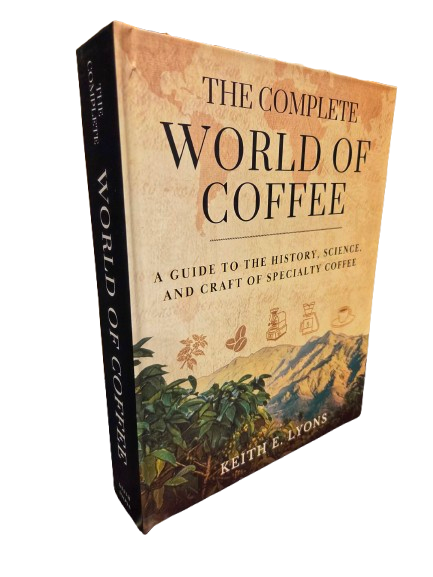
The Complete World of Coffee: The History, Science, and Craft of Specialty Coffee
615 pages
The Complete World of Coffee: The History, Science, and Craft of Specialty Coffee
615 pages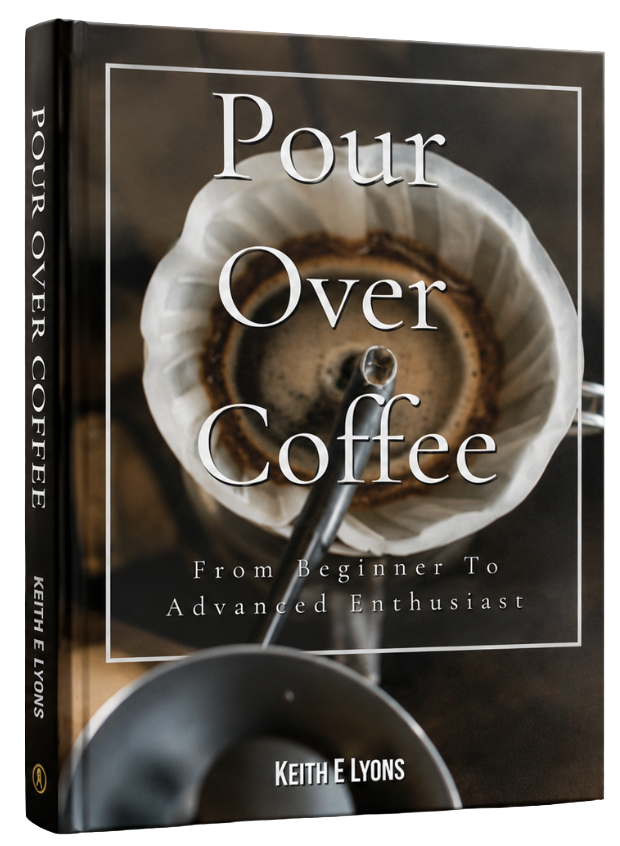
Pour Over Coffee
103 pages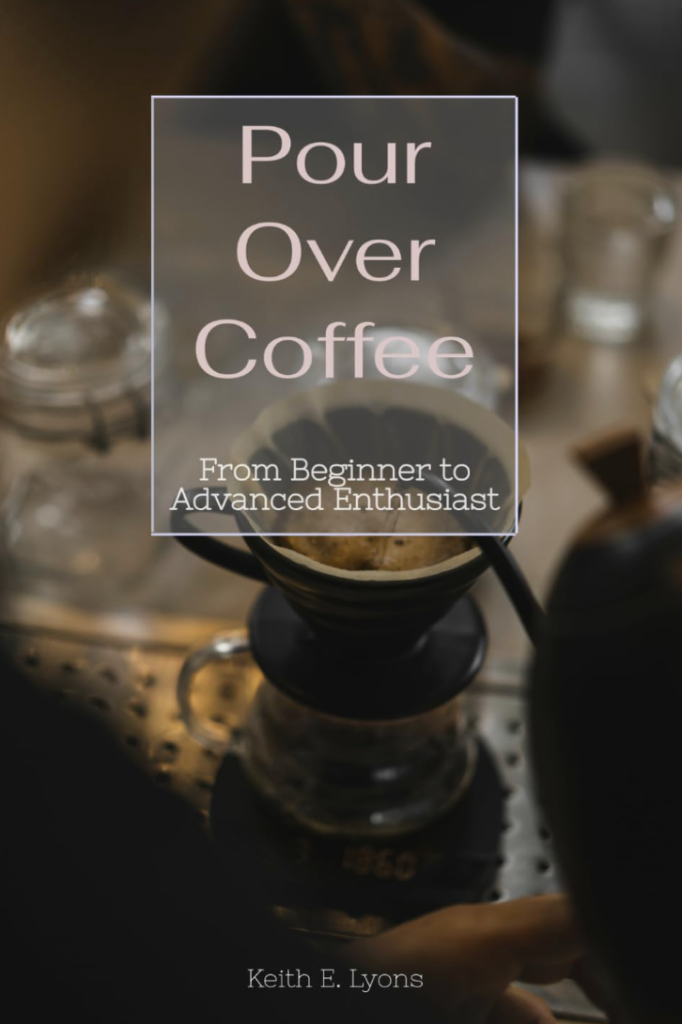
Pour Over Coffee: From Beginner to Advanced Enthusiast
103 pagesKnowledge Tree
Every page in this hub (25 total), organized by content type.
Explore Further
Ready to go deeper? These resources cover advanced topics.
Other Topic Hubs

Curated by
Keith E. Lyons
Specialty coffee author, educator, and founder of Lyons Den Publishing. Author of The Complete World of Coffee, a 615-page guide to coffee origins, brewing science, and sensory education.
Learn more about Keith E. Lyons →