Topic Hub
Coffee Origins
Coffee is grown in over 70 countries across the equatorial 'Bean Belt.' Each origin produces coffee with distinct flavor characteristics shaped by soil, altitude, climate, varieties, and processing traditions.
Overview
The flavor of coffee is profoundly influenced by where it is grown. Terroir, the combination of soil, climate, altitude, and latitude, determines which varieties thrive and which flavor compounds develop in the bean.
The major growing regions span Latin America (Brazil, Colombia, Guatemala, Costa Rica), Africa (Ethiopia, Kenya, Rwanda), and Asia-Pacific (Vietnam, Indonesia, Papua New Guinea). Each region produces coffee with recognizable flavor profiles: bright and fruity from East Africa, chocolatey and nutty from Brazil, balanced and sweet from Central America.
Understanding origins allows you to choose coffee that matches your taste preferences and appreciate the diversity that the coffee world offers. Each origin page on this site covers the country's history, growing regions, varieties, processing methods, and typical flavor profiles.
Start Here
New to coffee origins? Begin with these resources.
From The Complete World of Coffee
- Chapter 2: Coffee Origins
- Chapter 8: African Coffees
- Chapter 9: Latin American Coffees
- Chapter 10: Asian and Pacific Coffees
Popular Guides
Most-visited pages in this topic area.
United States (Hawaii)
Hawaiian coffees, and Kona in particular, are often described as mild, balanced, and clean, with gentle brightness and sweet, subtle aromatics. Treat these as tendencies rather than guarantees: region, elevation, and processing all shape the final cup.
North AmericaUnited States (California)
California-grown Arabica is valued for complexity driven by an extended cherry maturation of roughly 10 months, comparable to high-altitude farms in the tropics. Lots have been submitted to international auctions. Cup character varies more by farm management and microclimate than by broad region.
AfricaLiberia Coffee: Origins, Flavor Profile & Production
Liberian coffee is primarily Robusta and Liberica, known for its full body, low acidity, and earthy, woody profile. The country is most notable as the origin of Coffea liberica, which has a distinctive bold, smoky flavor.
AfricaNigeria Coffee: Origins, Flavor Profile & Production
Nigerian coffee is exclusively Robusta, known for its full body, low acidity, and earthy profile. It is used in espresso blends and instant coffee production.
AfricaGhana Coffee: Origins, Flavor Profile & Production
Ghanaian coffee is exclusively Robusta, known for its full body, low acidity, and earthy, chocolatey profile. It is used in espresso blends and instant coffee production.
AfricaSouth Sudan Coffee: Origins, Flavor Profile & Production
South Sudanese coffee is still in early development, but initial lots show a balanced, clean profile with bright acidity and notes of citrus, stone fruit, and chocolate. The wild Arabica populations on the Boma Plateau represent untapped genetic diversity.
Recently Updated
Fresh content and latest revisions.
Beginner Guides
Start here if you're new to coffee origins.
United States (Hawaii)
Hawaiian coffees, and Kona in particular, are often described as mild, balanced, and clean, with gentle brightness and sweet, subtle aromatics. Treat these as tendencies rather than guarantees: region, elevation, and processing all shape the final cup.
North AmericaUnited States (California)
California-grown Arabica is valued for complexity driven by an extended cherry maturation of roughly 10 months, comparable to high-altitude farms in the tropics. Lots have been submitted to international auctions. Cup character varies more by farm management and microclimate than by broad region.
AfricaLiberia Coffee: Origins, Flavor Profile & Production
Liberian coffee is primarily Robusta and Liberica, known for its full body, low acidity, and earthy, woody profile. The country is most notable as the origin of Coffea liberica, which has a distinctive bold, smoky flavor.
AfricaNigeria Coffee: Origins, Flavor Profile & Production
Nigerian coffee is exclusively Robusta, known for its full body, low acidity, and earthy profile. It is used in espresso blends and instant coffee production.
AfricaGhana Coffee: Origins, Flavor Profile & Production
Ghanaian coffee is exclusively Robusta, known for its full body, low acidity, and earthy, chocolatey profile. It is used in espresso blends and instant coffee production.
AfricaSouth Sudan Coffee: Origins, Flavor Profile & Production
South Sudanese coffee is still in early development, but initial lots show a balanced, clean profile with bright acidity and notes of citrus, stone fruit, and chocolate. The wild Arabica populations on the Boma Plateau represent untapped genetic diversity.
AfricaSouth Africa
South African coffee is balanced and smooth with medium body, mild acidity, and notes of chocolate, caramel, and nuts. The low elevation limits complexity compared to high-altitude African coffees, but quality is improving.
AfricaSierra Leone
Sierra Leonean coffee is primarily Robusta, known for its full body and earthy profile. Some Arabica is balanced and smooth. The country is most notable for wild Coffea stenophylla, which produces high-quality coffee at higher temperatures than Arabica.
OceaniaFiji
Fijian coffee is smooth, balanced, and mild with low acidity and notes of chocolate, nuts, and caramel. Production is very small and most is consumed locally.
Related Books
Books from Lyons Den Publishing.

The Complete World of Coffee: The History, Science, and Craft of Specialty Coffee
615 pages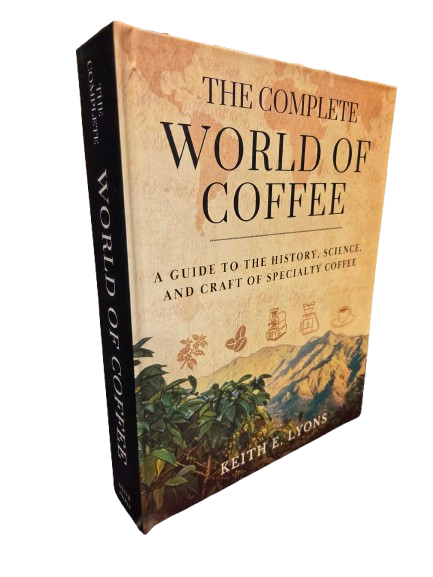
The Complete World of Coffee: The History, Science, and Craft of Specialty Coffee
615 pages
The Complete World of Coffee: The History, Science, and Craft of Specialty Coffee
615 pages
Pour Over Coffee
103 pages
Pour Over Coffee: From Beginner to Advanced Enthusiast
103 pagesKnowledge Tree
Every page in this hub (68 total), organized by content type.
Explore Further
Ready to go deeper? These resources cover advanced topics.
Other Topic Hubs

Curated by
Keith E. Lyons
Specialty coffee author, educator, and founder of Lyons Den Publishing. Author of The Complete World of Coffee, a 615-page guide to coffee origins, brewing science, and sensory education.
Learn more about Keith E. Lyons →