Topic Hub
Specialty Coffee
Specialty coffee represents the highest quality tier of coffee, defined by rigorous scoring, transparent sourcing, and a commitment to quality throughout the supply chain. This hub connects the resources that define the movement.
Overview
Specialty coffee is defined by quality: coffee that scores 80 or above on the Specialty Coffee Association's 100-point cupping scale. This scoring system evaluates fragrance, aroma, flavor, aftertaste, acidity, body, balance, uniformity, clean cup, sweetness, and defects.
The specialty coffee movement emerged in the 1960s and 1970s as a reaction against commodity coffee, which prioritized volume over quality. Pioneers like Erna Knutsen, who coined the term 'specialty coffee' in 1974, and Alfred Peet, who opened Peet's Coffee in 1966, laid the groundwork for a new approach that valued origin, roast quality, and freshness.
Today, specialty coffee encompasses single-origin coffee, direct trade relationships, lighter roasts, precise brewing, and a culture of continuous improvement. Organizations like the Specialty Coffee Association, World Coffee Research, and the Coffee Quality Institute set standards and drive innovation across the industry.
Start Here
New to specialty coffee? Begin with these resources.
Specialty Coffee Explained
The complete guide to what specialty coffee is, the SCA scoring system, and how it differs from commodity coffee.
Coffee Origins
Where specialty coffee comes from.
Brewing Methods
How specialty coffee is brewed.
Coffee Organizations
SCA, WCR, CQI, and the bodies that define the movement.
From The Complete World of Coffee
- Chapter 1: The History of Coffee
- Chapter 11: Sensory Education
- Chapter 13: Sustainability & Ethics
- Chapter 14: Industry Standards
Popular Guides
Most-visited pages in this topic area.
Recently Updated
Fresh content and latest revisions.
Beginner Guides
Start here if you're new to specialty coffee.
Related Books
Books from Lyons Den Publishing.

The Complete World of Coffee: The History, Science, and Craft of Specialty Coffee
615 pages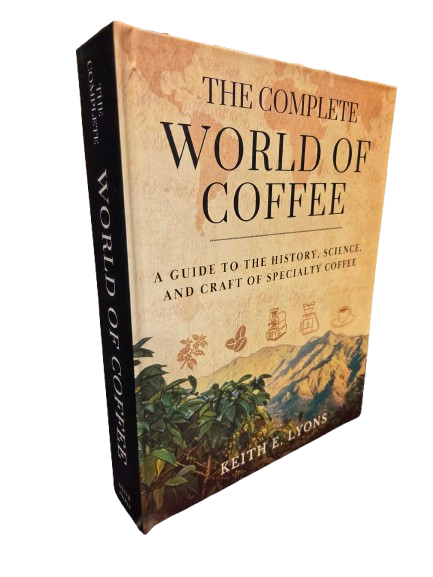
The Complete World of Coffee: The History, Science, and Craft of Specialty Coffee
615 pages
The Complete World of Coffee: The History, Science, and Craft of Specialty Coffee
615 pages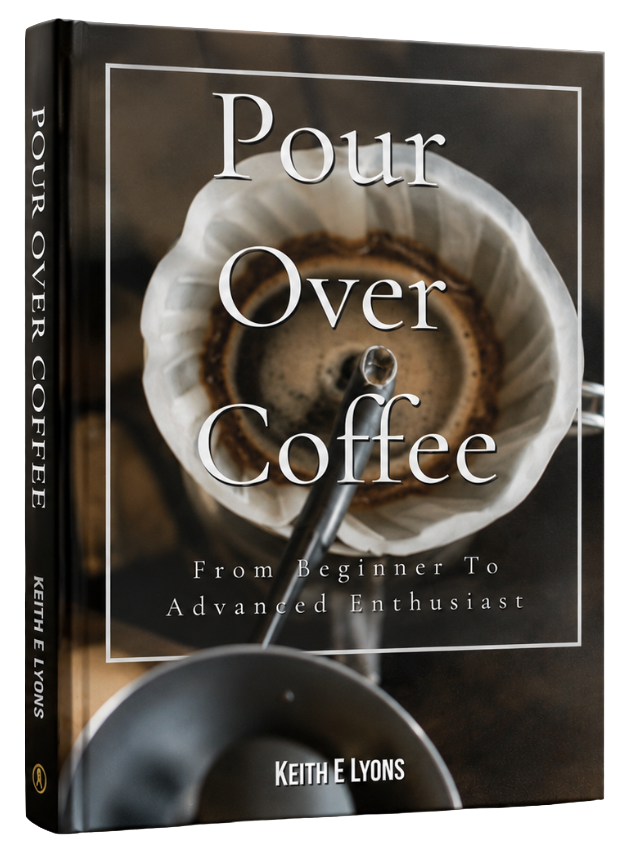
Pour Over Coffee
103 pages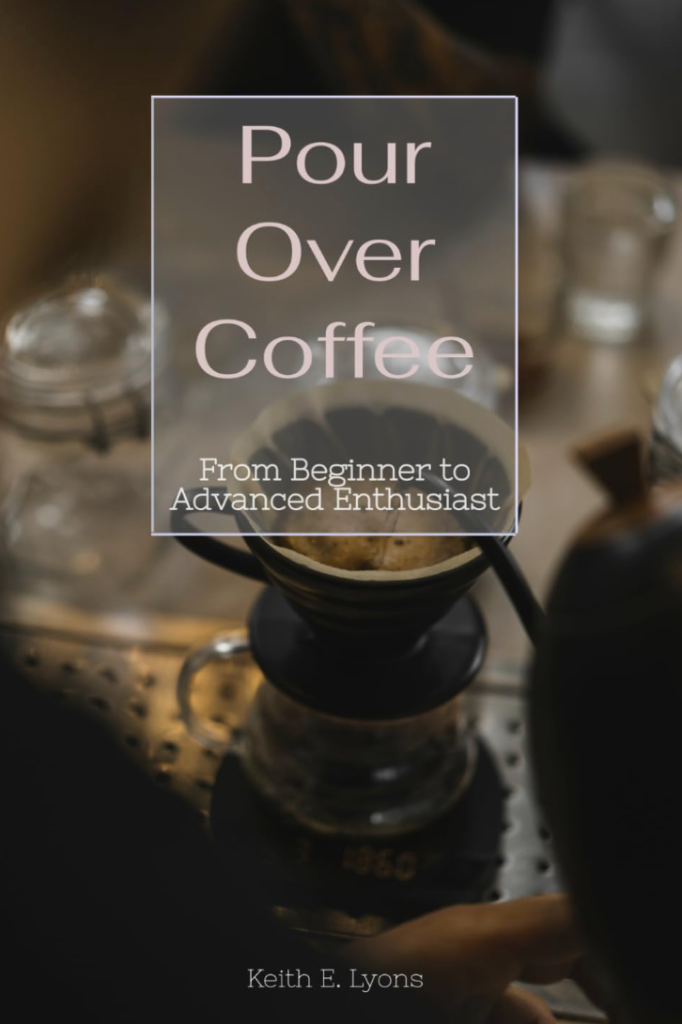
Pour Over Coffee: From Beginner to Advanced Enthusiast
103 pagesKnowledge Tree
Every page in this hub (1 total), organized by content type.
Explore Further
Ready to go deeper? These resources cover advanced topics.
Other Topic Hubs

Curated by
Keith E. Lyons
Specialty coffee author, educator, and founder of Lyons Den Publishing. Author of The Complete World of Coffee, a 615-page guide to coffee origins, brewing science, and sensory education.
Learn more about Keith E. Lyons →