Topic Hub
Brewing Methods
Every brewing method extracts coffee differently, producing distinct flavors, body, and clarity. This hub connects all the brewing resources on this site, from pour over to French press to espresso.
Overview
Coffee brewing is the process of dissolving soluble compounds from roasted, ground coffee into water. The ratio of coffee to water, grind size, water temperature, contact time, and agitation all affect which compounds are extracted and in what proportion.
Broadly, brewing methods fall into four categories: immersion (French press, cupping), percolation (pour over, drip), pressure (espresso, AeroPress), and decoction (Turkish, ibrik). Each category produces a fundamentally different cup profile.
Understanding the principles behind each method allows you to choose the right brewer for the coffee, the occasion, and your taste preferences. There is no single 'best' method, only the method that best suits your goals.
Start Here
New to brewing methods? Begin with these resources.
From The Complete World of Coffee
- Chapter 3: Core Brewing Variables
- Chapter 7: Pour Over Method
- Chapter 8: Immersion Brewing
- Chapter 9: Espresso
Featured Articles
Editorial highlights from the Brewing Methods hub.
Is Pour Over Coffee Better Than a French Press?
Neither method wins outright: French press delivers body, oils, and richness, while pour over delivers clarity and delicate flavor separation. Here is how the filter, grind, and technique differences actually play out in the cup.
BrewingCoffee Grind Size Guide: How Grind Size Affects Extraction, Flow Rate, and Flavor
There is no single universal grind size for coffee. Ground coffee is a distribution of particle sizes rather than one precise particle diameter, and that distribution affects both extraction and flow. Fine, medium, and coarse are starting descriptions, not standardized measurements.
BrewingBest Water Temperature for Coffee: Pour Over, French Press, AeroPress & Espresso
There is no single universally correct brewing temperature. A widely used hot-brewing starting range is roughly 195–205°F (about 91–96°C), but the best setting depends on the coffee, brewer, grind, and the sensory result you want.
BrewingCoffee Extraction Yield: What It Is, How to Calculate It, and What the Numbers Mean
Extraction yield is the percentage of the dry coffee dose dissolved during brewing. This guide explains how it differs from strength and brew ratio, how to calculate it from TDS and beverage mass, and why the 18–22% range is a reference rather than a rule.
Popular Guides
Most-visited pages in this topic area.
Cold Drip (Dutch Coffee)
Cold drip, also known as Dutch coffee or Kyoto-style <a href="/brewing-methods/cold-brew">cold brew</a>, is a slow <a href="/coffee-science/extraction-yield-ey">brewing</a> <a href="/brewing-methods/drip-coffee-makers">method</a> where cold <a href="/coffee-encyclopedia/water-temperature">water</a> drips through coffee grounds over several hours, producing a concentrated <a href="/brewing-methods/toddy-cold-brew-system">cold brew</a>. Unlike immersion <a href="/coffee-science/total-dissolved-solids-tds">cold brew</a> (where coffee steeps in <a href="/coffee-encyclopedia/extraction">water</a>), cold drip uses percolation, producing a brighter, more aromatic, and more nuanced cup. See our <a href="/coffee-encyclopedia/cold-brew-vs-cold-drip-coffee">cold brew vs cold drip comparison</a>. A <a href="/coffee-encyclopedia/grind-size">medium-coarse grind</a> lets water flow through without stalling.
Cold BrewToddy Cold Brew System
The Toddy <a href="/brewing-methods/cold-brew">Cold Brew</a> System is the original <a href="/coffee-origins/guatemala">commercial</a> <a href="/brewing-methods/cold-drip">cold brew</a> device, using a patented steeping and <a href="/coffee-science/water-chemistry">filtration</a> system to <a href="/coffee-science/extraction-yield-ey">produce</a> smooth, low-<a href="/coffee-encyclopedia/chlorogenic-acid">acidity</a> <a href="/coffee-science/total-dissolved-solids-tds">cold brew</a> concentrate. Invented in 1964, the Toddy system popularized cold brew coffee in the United States and remains the standard for commercial cold brew production in cafes and homes.
DecoctionCowboy Coffee
Cowboy coffee is a <a href="/brewing-methods/percolator">traditional</a>, minimalist <a href="/coffee-science/water-chemistry">brewing</a> <a href="/coffee-science/roasting-chemistry">method</a> where coarse <a href="/coffee-encyclopedia/extraction">ground</a> coffee is boiled directly in <a href="/coffee-encyclopedia/water-temperature">water</a>, then allowed to settle before drinking. Originating on the American frontier, it requires no special equipment beyond a pot and heat source, making it one of the simplest and oldest coffee <a href="/coffee-science/extraction-yield-ey">brewing</a> <a href="/coffee-science/total-dissolved-solids-tds">method</a>s still in use today.
HybridPulsar Brewer
The <a href="/brewing-methods/nextlevel-pulsar">Pulsar Brewer</a> is an innovative <a href="/brewing-methods/clever-dripper">hybrid</a> <a href="/coffee-science/water-chemistry">brewing</a> device that combines <a href="/brewing-methods/kalita-wave">percolation</a> and immersion <a href="/coffee-science/minerals-and-water-hardness">brewing</a> through a patented valve system. It allows the brewer to <a href="/brewing-methods/hario-switch">switch</a> between pour over (percolation) and immersion modes during a single brew, offering unprecedented control over <a href="/coffee-encyclopedia/extraction">extraction</a> and enabling techniques impossible with any single-mode dripper.
OtherSiphon (Vacuum Pot)
The siphon, or vacuum pot, is a theatrical and scientifically fascinating <a href="/coffee-science/minerals-and-water-hardness">brewing</a> device that uses vapor <a href="/coffee-science/emulsions-in-coffee">pressure</a> and vacuum suction to brew coffee. <a href="/coffee-encyclopedia/extraction">Water</a> in a lower bulb is heated, forcing it into an upper chamber where it mixes with coffee grounds. When heat is removed, the brewed coffee is drawn back down through a filter, creating a remarkably <a href="/coffee-encyclopedia/clean-cup">clean</a> and aromatic cup.
DecoctionPercolator
The percolator is a traditional stovetop <a href="/coffee-science/water-chemistry">brewing</a> device that repeatedly cycles boiling <a href="/coffee-encyclopedia/extraction">water</a> through coffee <a href="/coffee-encyclopedia/basket">ground</a>s, <a href="/coffee-origins/colombia">producing</a> a strong, bitter brew. Popular in mid-20th <a href="/coffee-varieties/typica">century</a> America, the percolator fell out of favor with the rise of <a href="/brewing-methods/drip-coffee-makers">drip coffee makers</a> but retains a nostalgic following and is still used for camping and large-batch <a href="/coffee-encyclopedia/water-temperature">brewing</a>.
Recently Updated
Fresh content and latest revisions.
How Coffee Extraction Works: Extraction Yield, TDS, and the 18–22% Range
Oct 17, 2026BrewingCoffee Grind Size Guide: How Grind Size Affects Extraction, Flow Rate, and Flavor
Oct 17, 2026BrewingBest Water Temperature for Coffee: Pour Over, French Press, AeroPress & Espresso
Oct 17, 2026BrewingIs Pour Over Coffee Better Than a French Press?
Oct 17, 2026Brewing MethodsCoffee Bloom Explained: CO2 Release During Brewing
Oct 13, 2026Brewing MethodsFlat White Recipe And Technique
Oct 13, 2026Beginner Guides
Start here if you're new to brewing methods.
Vietnamese Phin Filter Coffee
The Vietnamese phin filter is a compact stainless steel or aluminum gravity brewer that combines gravity percolation with immersion steeping. Traditionally brewed with dark roast Robusta beans over sweetened condensed milk, it yields an intensely bold, sweet coffee.
Brewing MethodsV60 Pour Over Recipe Guide
The Hario V60 is a hallmark of specialty coffee brewing, offering unparalleled control over extraction dynamics through its 60-degree cone angle and spiral ribs. This guide breaks down exact brew ratios, pour control, and water chemistry to achieve clean, vibrant filter coffee consistently.
Brewing MethodsTurkish Coffee Cezve Ibrik Guide
Turkish coffee is an ancient decoction technique where extra-fine flour-like coffee powder is simmered with water in a copper cezve (ibrik). This guide details thermal rise control, micro-foam preservation, and sediment settling for an authentic cultural brew.
Brewing MethodsSteep And Release Brewing
Steep and release brewing combines full immersion contact time with paper filter clarity through manual valve drippers like the Hario Switch and Clever Dripper. This guide outlines steep timing, agitation control, and drawdown mechanics.
Brewing MethodsSiphon Coffee Brewing
The siphon or vacuum pot utilizes vapor pressure expansion and vacuum draw to combine full immersion steeping with ultra-clean cloth filtration. This guide explains the physics, temperature stabilization, and drawdown dynamics of siphon brewing.
Brewing MethodsRistretto Shot Guide
A ristretto ('restricted') shot cuts short extraction, yielding a concentrated dose (1:1 to 1:1.5 ratio). By stopping extraction before late-stage bitter compounds flow, ristrettos emphasize sugars, organic acids, and viscous body.
Brewing MethodsPercolator Coffee Guide
Percolators recycle boiling water continuously through a basket of coffee grounds. While notorious for over-extraction if unmonitored, precise heat control and coarse grind selection can produce a strong, robust, and comforting cup.
Brewing MethodsNitro Cold Brew Guide
Nitro cold brew infuses filtered cold brew coffee with pure nitrogen gas under pressure, dispensing through a stout faucet. This guide covers nitrogenation dynamics, stout restrictor plates, and serving techniques.
Brewing MethodsMoka Pot Brewing Technique
The moka pot utilizes steam pressure generated in its lower boiler to force boiling water upward through finely ground coffee. This guide explains heat management, water pre-heating techniques, and rapid cooling strategies to extract sweet, concentrated coffee without metallic bitterness.
Advanced Guides
Technical deep-dives for experienced readers.
Cold Drip (Dutch Coffee)
Cold drip, also known as Dutch coffee or Kyoto-style <a href="/brewing-methods/cold-brew">cold brew</a>, is a slow <a href="/coffee-science/extraction-yield-ey">brewing</a> <a href="/brewing-methods/drip-coffee-makers">method</a> where cold <a href="/coffee-encyclopedia/water-temperature">water</a> drips through coffee grounds over several hours, producing a concentrated <a href="/brewing-methods/toddy-cold-brew-system">cold brew</a>. Unlike immersion <a href="/coffee-science/total-dissolved-solids-tds">cold brew</a> (where coffee steeps in <a href="/coffee-encyclopedia/extraction">water</a>), cold drip uses percolation, producing a brighter, more aromatic, and more nuanced cup. See our <a href="/coffee-encyclopedia/cold-brew-vs-cold-drip-coffee">cold brew vs cold drip comparison</a>. A <a href="/coffee-encyclopedia/grind-size">medium-coarse grind</a> lets water flow through without stalling.
Cold BrewToddy Cold Brew System
The Toddy <a href="/brewing-methods/cold-brew">Cold Brew</a> System is the original <a href="/coffee-origins/guatemala">commercial</a> <a href="/brewing-methods/cold-drip">cold brew</a> device, using a patented steeping and <a href="/coffee-science/water-chemistry">filtration</a> system to <a href="/coffee-science/extraction-yield-ey">produce</a> smooth, low-<a href="/coffee-encyclopedia/chlorogenic-acid">acidity</a> <a href="/coffee-science/total-dissolved-solids-tds">cold brew</a> concentrate. Invented in 1964, the Toddy system popularized cold brew coffee in the United States and remains the standard for commercial cold brew production in cafes and homes.
DecoctionCowboy Coffee
Cowboy coffee is a <a href="/brewing-methods/percolator">traditional</a>, minimalist <a href="/coffee-science/water-chemistry">brewing</a> <a href="/coffee-science/roasting-chemistry">method</a> where coarse <a href="/coffee-encyclopedia/extraction">ground</a> coffee is boiled directly in <a href="/coffee-encyclopedia/water-temperature">water</a>, then allowed to settle before drinking. Originating on the American frontier, it requires no special equipment beyond a pot and heat source, making it one of the simplest and oldest coffee <a href="/coffee-science/extraction-yield-ey">brewing</a> <a href="/coffee-science/total-dissolved-solids-tds">method</a>s still in use today.
HybridPulsar Brewer
The <a href="/brewing-methods/nextlevel-pulsar">Pulsar Brewer</a> is an innovative <a href="/brewing-methods/clever-dripper">hybrid</a> <a href="/coffee-science/water-chemistry">brewing</a> device that combines <a href="/brewing-methods/kalita-wave">percolation</a> and immersion <a href="/coffee-science/minerals-and-water-hardness">brewing</a> through a patented valve system. It allows the brewer to <a href="/brewing-methods/hario-switch">switch</a> between pour over (percolation) and immersion modes during a single brew, offering unprecedented control over <a href="/coffee-encyclopedia/extraction">extraction</a> and enabling techniques impossible with any single-mode dripper.
OtherSiphon (Vacuum Pot)
The siphon, or vacuum pot, is a theatrical and scientifically fascinating <a href="/coffee-science/minerals-and-water-hardness">brewing</a> device that uses vapor <a href="/coffee-science/emulsions-in-coffee">pressure</a> and vacuum suction to brew coffee. <a href="/coffee-encyclopedia/extraction">Water</a> in a lower bulb is heated, forcing it into an upper chamber where it mixes with coffee grounds. When heat is removed, the brewed coffee is drawn back down through a filter, creating a remarkably <a href="/coffee-encyclopedia/clean-cup">clean</a> and aromatic cup.
DecoctionPercolator
The percolator is a traditional stovetop <a href="/coffee-science/water-chemistry">brewing</a> device that repeatedly cycles boiling <a href="/coffee-encyclopedia/extraction">water</a> through coffee <a href="/coffee-encyclopedia/basket">ground</a>s, <a href="/coffee-origins/colombia">producing</a> a strong, bitter brew. Popular in mid-20th <a href="/coffee-varieties/typica">century</a> America, the percolator fell out of favor with the rise of <a href="/brewing-methods/drip-coffee-makers">drip coffee makers</a> but retains a nostalgic following and is still used for camping and large-batch <a href="/coffee-encyclopedia/water-temperature">brewing</a>.
DecoctionTurkish Coffee (Cezve/Ibrik)
<a href="/coffee-history/coffee-in-the-islamic-world">Turkish</a> coffee is a decoction <a href="/coffee-science/caffeine-chemistry">brewing</a> method where extra-fine <a href="/coffee-encyclopedia/extraction">ground</a> coffee is simmered with water (and often sugar) in a special pot called a cezve or ibrik. It <a href="/coffee-origins/brazil">produces</a> a strong, unfiltered, thick coffee served with the <a href="/coffee-science/crema-formation-chemistry">ground</a>s. It is <a href="/coffee-encyclopedia/ethiopia">recognized</a> by UNESCO as an Intangible Cultural Heritage of Turkey.
Cold BrewCold Brew
<a href="/coffee-science/temperature-and-extraction">Cold brew</a> is an immersion <a href="/coffee-science/caffeine-chemistry">brewing</a> method that uses cold or room-temperature <a href="/coffee-encyclopedia/extraction">water</a> and a long <a href="/brewing-methods/toddy-cold-brew-system">steeping</a> time (12-24 hours). It produces a smooth, low-<a href="/coffee-origins/mexico">acidity</a>, naturally <a href="/coffee-origins/peru">sweet</a> concentrate — typically brewed at a <a href="/coffee-encyclopedia/cold-brew-coffee-ratio-guide">1:8 coffee-to-water ratio</a> — that is served diluted with water or milk. <a href="/coffee-science/extraction-science">Cold brew</a> has become enormously popular since the 2010s. An <a href="/coffee-encyclopedia/grind-size">extra-coarse grind</a> keeps extraction smooth over the long steep.
Related Books
Books from Lyons Den Publishing.

The Complete World of Coffee: The History, Science, and Craft of Specialty Coffee
615 pages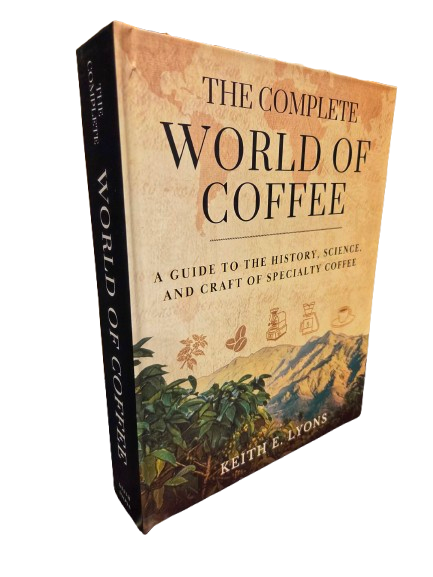
The Complete World of Coffee: The History, Science, and Craft of Specialty Coffee
615 pages
The Complete World of Coffee: The History, Science, and Craft of Specialty Coffee
615 pages
Pour Over Coffee
103 pages
Pour Over Coffee: From Beginner to Advanced Enthusiast
103 pagesRelated Blog Posts
Articles and essays from the Brewing Methods hub.
Is Pour Over Coffee Better Than a French Press?
Neither method wins outright: French press delivers body, oils, and richness, while pour over delivers clarity and delicate flavor separation. Here is how the filter, grind, and technique differences actually play out in the cup.
BrewingCoffee Grind Size Guide: How Grind Size Affects Extraction, Flow Rate, and Flavor
There is no single universal grind size for coffee. Ground coffee is a distribution of particle sizes rather than one precise particle diameter, and that distribution affects both extraction and flow. Fine, medium, and coarse are starting descriptions, not standardized measurements.
BrewingBest Water Temperature for Coffee: Pour Over, French Press, AeroPress & Espresso
There is no single universally correct brewing temperature. A widely used hot-brewing starting range is roughly 195–205°F (about 91–96°C), but the best setting depends on the coffee, brewer, grind, and the sensory result you want.
BrewingCoffee Extraction Yield: What It Is, How to Calculate It, and What the Numbers Mean
Extraction yield is the percentage of the dry coffee dose dissolved during brewing. This guide explains how it differs from strength and brew ratio, how to calculate it from TDS and beverage mass, and why the 18–22% range is a reference rather than a rule.
BrewingHow Coffee Extraction Works: Extraction Yield, TDS, and the 18–22% Range
Coffee extraction is a solid–liquid process. This guide explains the difference between extraction yield and TDS, why the 18–22% range is a reference band rather than a rule, and how immersion, percolation, and espresso extraction differ.
BrewingCoffee Extraction Time Chart: Brewing Times for Pour Over, French Press, AeroPress & Espresso
There is no single correct coffee extraction time. This guide breaks down typical brewing times for pour over, French press, AeroPress, and espresso, explains why identical brew times can extract differently, and shows why taste beats a stopwatch target.
BrewingCoffee Extraction Chart: How to Read It and Dial In Better Coffee
The coffee extraction chart — the Brewing Control Chart — plots strength (TDS) against extraction yield, with brew ratio linking them. This guide explains how to read it, what the classic 18–22% range really means, and how to use measurements and taste together to dial in better coffee.
Knowledge Tree
Every page in this hub (51 total), organized by content type.
Explore Further
Ready to go deeper? These resources cover advanced topics.
Other Topic Hubs

Curated by
Keith E. Lyons
Specialty coffee author, educator, and founder of Lyons Den Publishing. Author of The Complete World of Coffee, a 615-page guide to coffee origins, brewing science, and sensory education.
Learn more about Keith E. Lyons →