Topic Hub
Coffee History
From the legendary discovery of coffee in the Ethiopian highlands to the global specialty coffee movement, the history of coffee spans centuries, continents, and cultures. This hub organizes the best historical resources on this site.
Overview
Coffee's story begins in the ancient coffee forests of the Ethiopian plateau, where legend says a goat herder named Kaldi noticed his goats became energetic after eating red coffee cherries. From there, coffee traveled to the Arabian Peninsula, where Sufi monks first cultivated it as a beverage to aid concentration during prayers.
By the 17th century, coffee had reached Europe, where coffeehouses became centers of intellectual life known as 'penny universities.' The drink fueled the Enlightenment, the Industrial Revolution, and eventually a global commodity trade that shaped the economies of dozens of nations.
The modern specialty coffee movement began in the 1960s and 1970s, emphasizing quality, origin transparency, and sustainable practices. Today, coffee is the second most traded commodity in the world after oil, with a rich and complex history behind every cup.
Start Here
New to coffee history? Begin with these resources.
Essential Resources
Kaldi and the Legend of Ethiopian Coffee
The goat-herder legend and what early historical records actually tell us about coffee's origins.
The History of the Espresso Machine
How Angelo Gaggia's 1948 lever machine and decades of refinement created modern espresso.
Coffee, Colonialism, and Plantation Agriculture
How colonial powers reshaped coffee cultivation across the tropics, and the lasting legacy of that system.
From The Complete World of Coffee
- Chapter 1: The History of Coffee
- Chapter 2: Coffee Origins
- Chapter 12: Coffee Culture
Featured Articles
Editorial highlights from the Coffee History hub.
Popular Guides
Most-visited pages in this topic area.
The History of the Coffee Grinder
The coffee grinder evolved from simple mortar and pestle tools to precision burr grinders capable of particle size consistency measured in microns. The...
Modern EraThe History of Fair Trade Coffee
Fair Trade coffee emerged in the late 1980s as a response to the coffee price crisis that devastated farmer livelihoods. The Fair Trade movement established...
Industrial AgeThe History of the Coffee Filter
The coffee filter transformed home and commercial coffee brewing. From the 1908 invention of the paper filter by Melitta Bentz to modern metal and cloth...
Modern EraThe Rise of Coffee Chains
The rise of coffee chains, led by Starbucks, transformed coffee from a commodity to a branded experience. Beginning in 1971, Starbucks popularized...
Modern EraThe History of Coffee Packaging
Coffee packaging evolved from simple burlap sacks for green coffee to sophisticated one-way valve bags that preserve roasted coffee freshness by allowing CO2...
Industrial AgeThe History of Espresso
The history of espresso spans from Angelo Moriondo's 1884 steam-pressure patent and Luigi Bezzera's 1901 improvements to the modern multi-boiler machines that power today's specialty coffee cafes. The espresso machine revolutionized coffee culture by producing concentrated, intense coffee quickly, creating a new category of beverage and an entirely new social ritual around the coffee bar.
Recently Updated
Fresh content and latest revisions.
Mocha and Coffee in the Middle East
Oct 17, 2026Cultural HistorySufi Coffee Traditions
Oct 17, 2026OriginsAncient Ethiopia and the Kaldi Myth
Oct 17, 2026Colonial EraCoffee Slavery and Abolition
Oct 17, 2026Modern EraThe Third Wave Coffee Movement
Oct 17, 2026SpreadCoffee in Yemen and the Rise of Mocha
Oct 13, 2026Beginner Guides
Start here if you're new to coffee history.
Advanced Guides
Technical deep-dives for experienced readers.
The History of the Coffee Grinder
The coffee grinder evolved from simple mortar and pestle tools to precision burr grinders capable of particle size consistency measured in microns. The...
Modern EraThe History of Fair Trade Coffee
Fair Trade coffee emerged in the late 1980s as a response to the coffee price crisis that devastated farmer livelihoods. The Fair Trade movement established...
Industrial AgeThe History of the Coffee Filter
The coffee filter transformed home and commercial coffee brewing. From the 1908 invention of the paper filter by Melitta Bentz to modern metal and cloth...
Modern EraThe Rise of Coffee Chains
The rise of coffee chains, led by Starbucks, transformed coffee from a commodity to a branded experience. Beginning in 1971, Starbucks popularized...
Modern EraThe History of Coffee Packaging
Coffee packaging evolved from simple burlap sacks for green coffee to sophisticated one-way valve bags that preserve roasted coffee freshness by allowing CO2...
Industrial AgeThe History of Espresso
The history of espresso spans from Angelo Moriondo's 1884 steam-pressure patent and Luigi Bezzera's 1901 improvements to the modern multi-boiler machines that power today's specialty coffee cafes. The espresso machine revolutionized coffee culture by producing concentrated, intense coffee quickly, creating a new category of beverage and an entirely new social ritual around the coffee bar.
Modern EraThe Direct Trade Coffee Movement
Direct trade is a coffee sourcing model in which roasters purchase coffee directly from producers, bypassing traditional intermediaries such as exporters,...
Modern EraThe Future of Coffee
The future of coffee stands at a crossroads shaped by climate change, technological innovation, evolving consumer preferences, and urgent sustainability...
Modern EraClimate Change and the Future of Coffee
Climate change represents the most significant existential threat to the global coffee industry in its history. Coffea arabica, which accounts for over 60...
Related Books
Books from Lyons Den Publishing.

The Complete World of Coffee: The History, Science, and Craft of Specialty Coffee
615 pages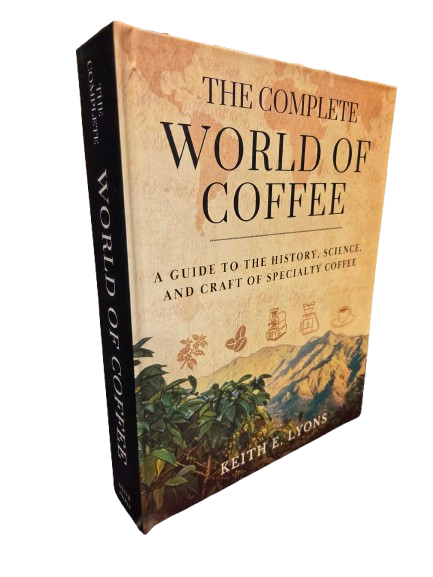
The Complete World of Coffee: The History, Science, and Craft of Specialty Coffee
615 pages
The Complete World of Coffee: The History, Science, and Craft of Specialty Coffee
615 pages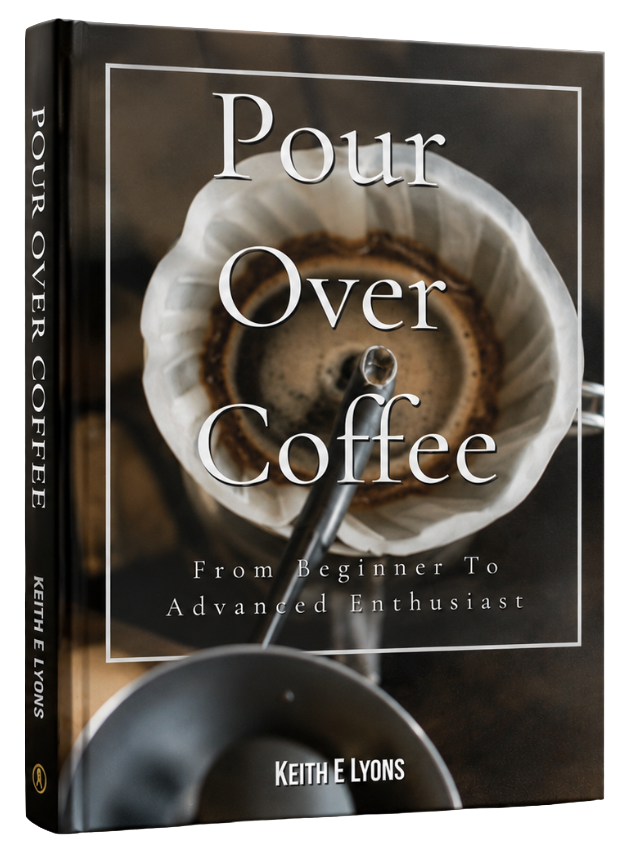
Pour Over Coffee
103 pages
Pour Over Coffee: From Beginner to Advanced Enthusiast
103 pagesRelated Blog Posts
Articles and essays from the Coffee History hub.
View all →Knowledge Tree
Every page in this hub (29 total), organized by content type.
Explore Further
Ready to go deeper? These resources cover advanced topics.
Other Topic Hubs

Curated by
Keith E. Lyons
Specialty coffee author, educator, and founder of Lyons Den Publishing. Author of The Complete World of Coffee, a 615-page guide to coffee origins, brewing science, and sensory education.
Learn more about Keith E. Lyons →