
Coffee Extraction Time Chart: Brewing Times for Pour Over, French Press, AeroPress & Espresso
There is no single correct coffee extraction time: published ranges vary by brewer, dose, grind, and context. Brew time, drawdown time, and extraction yield are three different measurements, and extraction yield is measured with a refractometer, not a stopwatch. Typical ranges include roughly 2:30–3:30 for a V60 or Kalita Wave, 4:00–5:00 for a Chemex, a 4:00 French press steep, and contested espresso windows between 20 and 35 seconds. Two brews with identical total times can extract differently because grind, temperature, agitation, dose, ratio, and bed depth all interact. Taste and extraction measurements are more reliable guides than a stopwatch target.
Key Takeaways
- There is no single correct coffee extraction time; published ranges differ by source and context.
- Brew time, drawdown time, and extraction yield are three different measurements and should not be used interchangeably.
- A common espresso starting framework is roughly 18 g in, 32 g out, 30 to 35 seconds, at about 92°C.
- Extraction yield is measured with a refractometer, not a stopwatch, and the frequently cited range is 18% to 22%.
- Two brews with identical total times can extract differently because grind, temperature, agitation, dose, ratio, and bed depth all interact.
- Fast-running brews are commonly linked to sour or watery flavors, while slow-running brews are linked to bitter flavors.
- Taste and extraction measurements are more reliable guides than a stopwatch target.
There is no single correct coffee extraction time: published ranges vary by brewer, dose, grind, and context. Brew time, drawdown time, and extraction yield are three different measurements, and extraction yield is measured with a refractometer, not a stopwatch. Typical ranges include roughly 2:30–3:30 for a V60 or Kalita Wave, 4:00–5:00 for a Chemex, a 4:00 French press steep, and contested espresso windows between 20 and 35 seconds. Two brews with identical total times can extract differently because grind, temperature, agitation, dose, ratio, and bed depth all interact. Taste and extraction measurements are more reliable guides than a stopwatch target.

There is no single correct coffee extraction time. Published ranges vary by brewer, dose, grind, and the context in which the numbers were developed, so a stopwatch reading alone tells you very little about what is actually in the cup. The useful distinction is between total contact time, drawdown time, and extraction yield. Time is one diagnostic variable among several, not a target to hit.
Table of Contents
- What is a coffee extraction time chart and how should you read it?
- What are typical extraction times for pour over, French press, and immersion brewers?
- What is a normal espresso extraction time and why do the numbers disagree?
- Why can two brews with the same total time extract differently?
- What happens if your coffee extraction runs too fast or too slow?
- How do grind size, temperature, and agitation interact with extraction time?
- Should you trust the stopwatch or the taste?
- Where can you go deeper on extraction and brewing science?
- Key Takeaways
- References
What is a coffee extraction time chart and how should you read it?
A coffee extraction time chart is a reference of typical time ranges for common brewers, not a rulebook or a pass/fail test. It gives you a starting window for a given method so you can recognize when a brew is behaving unusually. A chart does not tell you whether a coffee tastes good.
Three separate measurements are often lumped together. Brew or contact time is the total period water and coffee are in contact. Drawdown time is how long water takes to drain through the bed in a percolation brewer. Extraction yield is the percentage of coffee solids dissolved into the cup, and it is measured with a refractometer, not a stopwatch.
Published ranges differ because they come from different contexts. Commercial espresso guides, café practice, and industry convention produce different numbers, and none of them emerged from a single controlled experiment. According to Quarter Horse Coffee, espresso brews in around thirty seconds, while drip filter takes about three minutes. Corner Coffee Store lists a wider espresso window of 20 to 30 seconds in one section and 25 to 35 seconds in another. The ideal extraction yield, by contrast, is stated as 18% to 22% of the input coffee, according to Robert McKeon Aloe.
A chart is therefore a diagnostic starting point. It flags a brew that is running far outside the expected range, but it cannot confirm that the coffee is properly extracted or pleasant to drink.
What are typical extraction times for pour over, French press, and immersion brewers?
Typical starting ranges vary by brewer geometry and dose, but a V60 or Kalita Wave commonly lands between roughly 2:30 and 3:30 total, including drawdown. A Chemex, with its thicker filter and slower flow, often runs closer to 4:00 to 5:00. An AeroPress can finish in roughly 1:30 to 2:30 depending on whether you use a standard or inverted style and how long you steep.
Enjoying this article?
Get weekly coffee insights delivered to your inbox.
The Complete World of Coffee
615 pages of evidence-based coffee education · $54.99
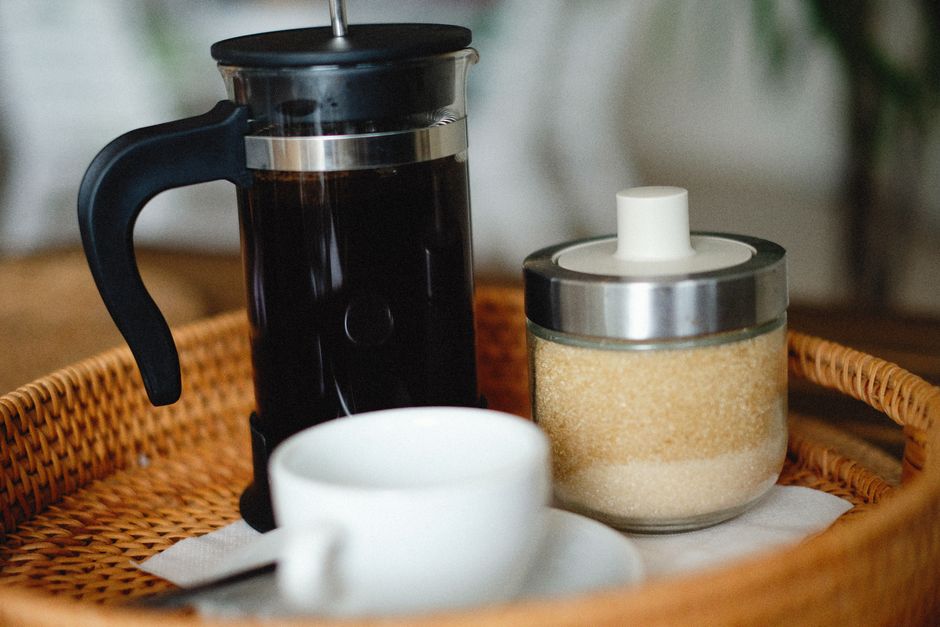
A French press typically uses a 4:00 steep followed by settling time before the plunge. Clever Dripper and Hario Switch brews combine a steep phase with a drain phase, so the total time depends on how long you hold the coffee before opening the valve or releasing the switch.
These ranges are starting points, not standards. Dose, grind, and brewer geometry shift them substantially. A larger dose deepens the bed and slows flow. A finer grind increases resistance and extends drawdown. A coarser grind does the opposite.
Immersion brewers behave differently from percolation brewers. In a French press, Clever Dripper, or Hario Switch, contact time is set by the steep, so grind size and agitation matter more than flow rate. In a V60 or Chemex, water is continuously flowing through the bed, so drawdown time becomes a more sensitive indicator of resistance.
Quarter Horse Coffee notes that drip filter coffee brews in about three minutes, which is a useful broad anchor rather than a fixed standard. Use it as a reference point, then adjust based on taste.
What is a normal espresso extraction time and why do the numbers disagree?
No single agreed espresso extraction time exists. Quarter Horse Coffee recommends a starting range of 30 to 35 seconds. Corner Coffee Store states that a perfect pull should take 20 to 30 seconds, while its time and flavor chart labels 25 to 35 seconds as slightly under-extracted. The disagreement is real, and it reflects different assumptions about dose, yield, pressure, and taste.
A commonly used starting framework is around 18 g of coffee in, roughly 32 g of liquid out, over 30 to 35 seconds, with a starting machine temperature near 92°C, according to Quarter Horse Coffee. Conventional dose guidance for a double shot is 14 to 18 g, with a traditional output of 2 ounces, according to Corner Coffee Store.
Espresso time is bound to ratio and pressure. A 25-second shot at a longer ratio can land in a reasonable place, just as a 35-second shot at a shorter ratio can. The clock only makes sense when you know how much water has moved through the coffee and at what pressure.
Why can two brews with the same total time extract differently?
Time is a consequence of other variables, not a cause of extraction on its own. Grind size, temperature, agitation, flow rate, dose, brew ratio, bed depth, and brewer geometry all interact. Two brews can finish at the same moment and produce very different cups.
A finer grind increases resistance and contact surface area. A coarser grind reduces both. If one brewer uses a fine grind and a low dose while another uses a coarse grind and a deep bed, the two can finish in the same total time yet extract different amounts of coffee solids.
Channeling is a common example. Water takes the path of least resistance, so a fast-running brew may be bypassing parts of the bed rather than extracting less overall. The total time looks short, but the real problem is uneven flow.
Extraction yield is measured, not timed. The frequently cited 18% to 22% range comes from refractometry, according to Robert McKeon Aloe. Aloe also reports shots that have run higher, into the mid-20s, and some longer, slower ratio shots pushing 26% or 27% extraction. Those numbers cannot be inferred from a stopwatch.
What happens if your coffee extraction runs too fast or too slow?
A brew that runs too fast usually points to a grind that is too coarse, insufficient bed resistance, or channeling. The commonly associated flavors are sour, watery, or vegetal, according to the time and flavor chart published by Corner Coffee Store.
A brew that runs too slow usually points to too fine a grind, over-agitation, or a clogged or uneven bed. The commonly associated flavors are bitter or burnt, according to the same Corner Coffee Store chart.
The practical adjustment order is to change grind first, then dose, then agitation or pour technique. Change one variable at a time so you can isolate the effect. If the shot is too fast, grind finer. If it is too slow, grind coarser.
Treat the flavor labels as widely used industry guidelines, not precise measurements. A sour cup can have causes other than under-extraction, and a bitter cup can come from roast character or water chemistry. The chart is a diagnostic aid, not a law.
How do grind size, temperature, and agitation interact with extraction time?
Grind size is the primary lever. A finer grind increases surface area and resistance, which slows flow and accelerates extraction. A coarser grind reduces both, according to Corner Coffee Store. The same source compares a good espresso grind consistency to granulated sugar.
Temperature affects extraction rate. A commonly used starting point for espresso is around 92°C, according to Quarter Horse Coffee. Lower temperatures slow extraction, while higher temperatures speed it up, though the relationship is not linear across all compounds.
Agitation and pour technique change how evenly water moves through the bed. More agitation can increase extraction by disturbing the bed and exposing fresh coffee surfaces, but it can also create fines migration and clogging. The effect on time depends on how the bed responds.
Dose and bed depth set the stage. A deeper bed increases resistance and raises channeling risk, so dose changes ripple into time, flow, and balance. Adjusting dose without adjusting grind or pour often produces a brew that runs at a different speed for reasons unrelated to extraction quality.
Should you trust the stopwatch or the taste?
Taste and, where available, extraction measurements are more informative than hitting a time target. A brew inside the published window can still taste sour or bitter. A brew outside it can taste excellent. The stopwatch records what happened, but it does not grade the result.
The cited charts are useful conventions, not experimental results. The sources themselves disagree on espresso timing, with Quarter Horse Coffee suggesting 30 to 35 seconds and Corner Coffee Store suggesting 20 to 30 seconds in one section. That disagreement is a reminder that time ranges are contextual.
The practical approach is to taste across a range and adjust grind to taste, using time as a record of what changed. If a 2:45 V60 tastes hollow, try a finer grind even if the next brew runs to 3:15. The cup is the evidence.
Where can you go deeper on extraction and brewing science?
A time chart can only show you typical ranges. Understanding why those ranges exist requires a broader look at extraction, water chemistry, grind behavior, and brewer geometry. For readers who want the full picture beyond a stopwatch reference, The Complete World of Coffee: The History, Craft, and Science of Specialty Coffee covers the science of extraction alongside roasting, brewing, and sensory evaluation in a single structured reference. Lyons Den Publishers publishes the book as a 600-plus page guide for enthusiasts and professionals who want to move from recipe-following to genuine diagnostic skill. The book is useful as a deeper reference even for readers who never consult a time chart again.
Key Takeaways
- There is no single correct coffee extraction time; published ranges differ by source and context.
- Brew time, drawdown time, and extraction yield are three different measurements and should not be used interchangeably.
- A common espresso starting framework is roughly 18 g in, 32 g out, 30 to 35 seconds, at about 92°C.
- Extraction yield is measured with a refractometer, not a stopwatch, and the frequently cited range is 18% to 22%.
- Two brews with identical total times can extract differently because grind, temperature, agitation, dose, ratio, and bed depth all interact.
- Fast-running brews are commonly linked to sour or watery flavors, while slow-running brews are linked to bitter flavors.
- Taste and extraction measurements are more reliable guides than a stopwatch target.
References
- Quarter Horse Coffee: Espresso Brew Guide — date unknown
- Robert McKeon Aloe: Control Chart Misconceptions in Espresso — 2023-10-24
- Corner Coffee Store: Espresso Extraction Charts: How to Pull the Best Shot — Updated 2026-05-29
Key Takeaways
- 1.There is no single correct coffee extraction time; published ranges differ by source and context.
- 2.Brew time, drawdown time, and extraction yield are three different measurements and should not be used interchangeably.
- 3.A common espresso starting framework is roughly 18 g in, 32 g out, 30 to 35 seconds, at about 92°C.
- 4.Extraction yield is measured with a refractometer, not a stopwatch, and the frequently cited range is 18% to 22%.
- 5.Two brews with identical total times can extract differently because grind, temperature, agitation, dose, ratio, and bed depth all interact.
- 6.Fast-running brews are commonly linked to sour or watery flavors, while slow-running brews are linked to bitter flavors.
- 7.Taste and extraction measurements are more reliable guides than a stopwatch target.
Sources
- 1.Quarter Horse Coffee: Espresso Brew Guide — https://quarterhorsecoffee.com/pages/espresso-brew-guide (date unknown)
- 2.Robert McKeon Aloe: Control Chart Misconceptions in Espresso — https://rmckeon.medium.com/control-chart-misconceptions-in-espresso-d6b027c75243 (2023-10-24)
- 3.Corner Coffee Store: Espresso Extraction Charts: How to Pull the Best Shot — https://cornercoffeestore.com/espresso-extraction-charts/ (Updated 2026-05-29)
Written by
Keith E. Lyons
Specialty coffee author, educator, and founder of Lyons Den Publishing. Author of The Complete World of Coffee.