Topic Hub
Pour Over
Pour over brewing produces clean, nuanced coffee by passing water through a bed of ground coffee in a filter. This hub connects resources on technique, equipment, and recipes for manual brewing.
Overview
Pour over coffee is a percolation brewing method where hot water is poured over ground coffee in a filter. The water passes through the coffee bed, extracting soluble compounds, and drips into a carafe or cup below. The result is a clean, bright cup that highlights the coffee's origin character.
The most popular pour over brewers include the Hario V60, Chemex, Kalita Wave, and Origami. Each has a different geometry that affects flow rate and extraction: the V60's spiral ribs and pointed cone produce a fast, bright brew, while the Chemex's thick paper filters create an exceptionally clean cup.
The key technique is the pulse pour: adding water in controlled increments rather than all at once. This maintains even extraction and prevents channeling, where water finds paths of least resistance through the coffee bed. A gooseneck kettle is essential for precise pour control.
Start Here
New to pour over? Begin with these resources.
From The Complete World of Coffee
- Chapter 7: Pour Over Method
Popular Guides
Most-visited pages in this topic area.
Karlsbad Brewer (Karlsbader Kanne)
The Karlsbad brewer (Karlsbader Kanne) is a traditional German porcelain <a href="/coffee-encyclopedia/water-temperature">brewing</a> device that uses a genuine porcelain <a href="/coffee-science/minerals-and-water-hardness">filter</a> (no <a href="/coffee-science/lipids-and-coffee-oil">paper</a>) to brew coffee. Originating in the spa town of Karlsbad (Karlovy Vary) in the 19th century, it produces a rich, full-bodied cup with all the coffee's natural oils, as the porcelain <a href="/coffee-science/emulsions-in-coffee">filter</a> allows more through than paper while still removing most sediment.
PercolationOrea Dripper
The Orea <a href="/brewing-methods/kalita-wave">Dripper</a> is an <a href="/brewing-methods/nextlevel-lattice">innovative</a> <a href="/coffee-science/flow-rate-and-permeability">pour over</a> <a href="/brewing-methods/origami-dripper">dripper</a> featuring a flat-<a href="/brewing-methods/april-brewer">bottom</a> design with a unique wave-structured interior and a proprietary polymer <a href="/coffee-science/extraction-yield-ey">material</a> that provides exceptional thermal stability. Its design promotes even <a href="/coffee-science/water-chemistry">extraction</a> through uniform bed depth, enhanced airflow, and heat retention, making it a favorite among competition baristas and specialty coffee enthusiasts.
PercolationIndian Filter Coffee (Madras Filter)
<a href="/coffee-origins/india">India</a>n <a href="/coffee-science/water-chemistry">filter</a> coffee, also known as Madras <a href="/brewing-methods/vietnamese-phin">filter</a> coffee or South <a href="/coffee-varieties/typica">India</a>n filter coffee, is a traditional <a href="/coffee-encyclopedia/burr-grinder">brewing</a> method from South India using a two-chambered metal filter. Hot <a href="/coffee-encyclopedia/water-temperature">water</a> drips through coffee powder (often mixed with chicory) in the upper chamber into the lower chamber, <a href="/coffee-encyclopedia/extraction">producing</a> a strong, concentrated decoction that is traditionally mixed with hot milk and sugar and served in a steel tumbler and dabarah.
PercolationVietnamese Phin
The <a href="/coffee-origins/vietnam">Vietnam</a>ese Phin is a traditional <a href="/coffee-science/flow-rate-and-permeability">brewing</a> device used throughout Vietnam for making strong, concentrated coffee. It consists of a <a href="/coffee-origins/laos">small</a> metal filter chamber, a <a href="/coffee-science/extraction-yield-ey">press</a>, a cover, and a cup. Hot <a href="/coffee-encyclopedia/extraction">water</a> drips slowly through the coffee <a href="/coffee-science/roasting-chemistry">grounds</a>, producing a rich, intense brew often mixed with sweetened condensed milk for the iconic Vietnamese iced coffee (ca phe sua da).
PercolationNeapolitan Flip Pot (Cuccumella)
The Neapolitan flip pot, or cuccumella, is a traditional Italian stovetop coffee maker that brews by flipping the device upside down, using gravity to pass <a href="/coffee-science/water-chemistry">water</a> through the coffee bed. Predating the <a href="/brewing-methods/moka-pot">Moka pot</a>, it <a href="/coffee-origins/brazil">produces</a> a <a href="/coffee-origins/vietnam">strong</a>, rich coffee without the <a href="/brewing-methods/bialetti-brikka">pressure</a> of a Moka, <a href="/coffee-science/extraction-yield-ey">resulting</a> in a smoother, less intense cup.
PercolationApril Brewer
The April Brewer is a Danish-designed <a href="/brewing-methods/kalita-wave">pour over</a> dripper with a flat-bottom <a href="/coffee-encyclopedia/water-temperature">brewing</a> bed and steep interior walls, engineered for fast, even <a href="/coffee-encyclopedia/bypass">extraction</a>. Developed by April <a href="/coffee-encyclopedia/coffee-roaster">Coffee Roaster</a>s, it is designed to work with <a href="/coffee-science/sugars-and-carbohydrates">specific</a> April filters and produces a <a href="/coffee-science/acids-in-coffee">clean</a>, sweet, and highly clarified cup with emphasis on clarity and separation of flavors.
Recently Updated
Fresh content and latest revisions.
Beginner Guides
Start here if you're new to pour over.
Pour Over Vs French Press
Pour over and French press coffee represent two fundamentally different extraction dynamics: percolation and full immersion. While pour over highlights clean enzymatic acidity and floral aromatics through paper filtration, French press delivers heavy mouthfeel, rich lipids, and deep chocolate notes through metal mesh immersion.
How-ToHow To Brew Pour Over Coffee
Brewing pour over coffee with scientific accuracy requires controlling five key variables: water chemistry, grind size distribution, brew ratio, water temperature, and pour velocity. This step-by-step guide explains the thermodynamics of blooming, turbulence management, and drawdown timing to produce clean, vibrant coffee.
ComparisonCold Brew Vs Cold Drip
Cold brew and cold drip are two distinct methods for preparing cold coffee without heat. Cold brew submerges ground coffee in standing water for 12-24 hours via full immersion. Cold drip (Dutch coffee) uses a drip tower to slowly pass cold water droplets through a coffee column over 3-8 hours, preserving delicate aromatics with high clarity.
ComparisonChemex Vs V60
Chemex and Hario V60 are iconic conical pour over drippers that deliver distinctly different extractions. The Chemex utilizes heavy laboratory-grade bonded paper filters (20-30% thicker) in an unribbed glass cone, producing ultra-clean, tea-like coffee. The Hario V60 uses spiral internal ribs and a large open exit orifice to maximize flow velocity, yields, and complex acidity.
Advanced Guides
Technical deep-dives for experienced readers.
Karlsbad Brewer (Karlsbader Kanne)
The Karlsbad brewer (Karlsbader Kanne) is a traditional German porcelain <a href="/coffee-encyclopedia/water-temperature">brewing</a> device that uses a genuine porcelain <a href="/coffee-science/minerals-and-water-hardness">filter</a> (no <a href="/coffee-science/lipids-and-coffee-oil">paper</a>) to brew coffee. Originating in the spa town of Karlsbad (Karlovy Vary) in the 19th century, it produces a rich, full-bodied cup with all the coffee's natural oils, as the porcelain <a href="/coffee-science/emulsions-in-coffee">filter</a> allows more through than paper while still removing most sediment.
PercolationOrea Dripper
The Orea <a href="/brewing-methods/kalita-wave">Dripper</a> is an <a href="/brewing-methods/nextlevel-lattice">innovative</a> <a href="/coffee-science/flow-rate-and-permeability">pour over</a> <a href="/brewing-methods/origami-dripper">dripper</a> featuring a flat-<a href="/brewing-methods/april-brewer">bottom</a> design with a unique wave-structured interior and a proprietary polymer <a href="/coffee-science/extraction-yield-ey">material</a> that provides exceptional thermal stability. Its design promotes even <a href="/coffee-science/water-chemistry">extraction</a> through uniform bed depth, enhanced airflow, and heat retention, making it a favorite among competition baristas and specialty coffee enthusiasts.
PercolationIndian Filter Coffee (Madras Filter)
<a href="/coffee-origins/india">India</a>n <a href="/coffee-science/water-chemistry">filter</a> coffee, also known as Madras <a href="/brewing-methods/vietnamese-phin">filter</a> coffee or South <a href="/coffee-varieties/typica">India</a>n filter coffee, is a traditional <a href="/coffee-encyclopedia/burr-grinder">brewing</a> method from South India using a two-chambered metal filter. Hot <a href="/coffee-encyclopedia/water-temperature">water</a> drips through coffee powder (often mixed with chicory) in the upper chamber into the lower chamber, <a href="/coffee-encyclopedia/extraction">producing</a> a strong, concentrated decoction that is traditionally mixed with hot milk and sugar and served in a steel tumbler and dabarah.
PercolationVietnamese Phin
The <a href="/coffee-origins/vietnam">Vietnam</a>ese Phin is a traditional <a href="/coffee-science/flow-rate-and-permeability">brewing</a> device used throughout Vietnam for making strong, concentrated coffee. It consists of a <a href="/coffee-origins/laos">small</a> metal filter chamber, a <a href="/coffee-science/extraction-yield-ey">press</a>, a cover, and a cup. Hot <a href="/coffee-encyclopedia/extraction">water</a> drips slowly through the coffee <a href="/coffee-science/roasting-chemistry">grounds</a>, producing a rich, intense brew often mixed with sweetened condensed milk for the iconic Vietnamese iced coffee (ca phe sua da).
PercolationNeapolitan Flip Pot (Cuccumella)
The Neapolitan flip pot, or cuccumella, is a traditional Italian stovetop coffee maker that brews by flipping the device upside down, using gravity to pass <a href="/coffee-science/water-chemistry">water</a> through the coffee bed. Predating the <a href="/brewing-methods/moka-pot">Moka pot</a>, it <a href="/coffee-origins/brazil">produces</a> a <a href="/coffee-origins/vietnam">strong</a>, rich coffee without the <a href="/brewing-methods/bialetti-brikka">pressure</a> of a Moka, <a href="/coffee-science/extraction-yield-ey">resulting</a> in a smoother, less intense cup.
PercolationApril Brewer
The April Brewer is a Danish-designed <a href="/brewing-methods/kalita-wave">pour over</a> dripper with a flat-bottom <a href="/coffee-encyclopedia/water-temperature">brewing</a> bed and steep interior walls, engineered for fast, even <a href="/coffee-encyclopedia/bypass">extraction</a>. Developed by April <a href="/coffee-encyclopedia/coffee-roaster">Coffee Roaster</a>s, it is designed to work with <a href="/coffee-science/sugars-and-carbohydrates">specific</a> April filters and produces a <a href="/coffee-science/acids-in-coffee">clean</a>, sweet, and highly clarified cup with emphasis on clarity and separation of flavors.
PercolationTricolate
The <a href="/brewing-methods/origami-dripper">Tricolate</a> is a <a href="/brewing-methods/kalita-wave">precision pour</a> over <a href="/brewing-methods/nextlevel-lattice">dripper</a> <a href="/brewing-methods/april-brewer">designed</a> in Australia, featuring a flat-bottom bed, an integrated showerhead <a href="/coffee-science/water-chemistry">water</a> distributor, and a <a href="/coffee-encyclopedia/bypass">bypass</a> channel that eliminates the need for a gooseneck kettle. Its engineering-focused design aims to remove as many variables as possible from the <a href="/coffee-science/flow-rate-and-permeability">pour over</a> <a href="/coffee-encyclopedia/extraction">process</a>, making consistently excellent coffee accessible to anyone.
PercolationOrigami Dripper
The <a href="/brewing-methods/nextlevel-lattice">Origami</a> <a href="/brewing-methods/kalita-wave">Dripper</a> is a ceramic pour over <a href="/brewing-methods/orea-dripper">dripper</a> from Japan, named for its folded, origami-like exterior. Its unique 20-rib design <a href="/coffee-science/water-chemistry">creates</a> channels for airflow between the filter and the <a href="/brewing-methods/tricolate">dripper</a> walls, and its conical shape accommodates both V60-style conical filters and Kalita-style flat-bottom filters, making it one of the most versatile <a href="/brewing-methods/pour-over-v60">dripper</a>s available.
PercolationNextLevel Pulsar
The NextLevel <a href="/brewing-methods/pulsar-brewer">Pulsar</a> is an innovative <a href="/brewing-methods/clever-dripper">pour over</a> <a href="/coffee-science/temperature-and-extraction">dripper</a> that combines features of conical and flat-bottom designs with a unique valve system for controlled immersion and percolation. Developed through Kickstarter in 2021, it allows brewers to <a href="/brewing-methods/hario-switch">switch</a> between immersion and <a href="/brewing-methods/kalita-wave">pour over</a> modes mid-brew, offering unprecedented control over <a href="/coffee-encyclopedia/extraction">extraction</a>.
Related Books
Books from Lyons Den Publishing.

The Complete World of Coffee: The History, Science, and Craft of Specialty Coffee
615 pages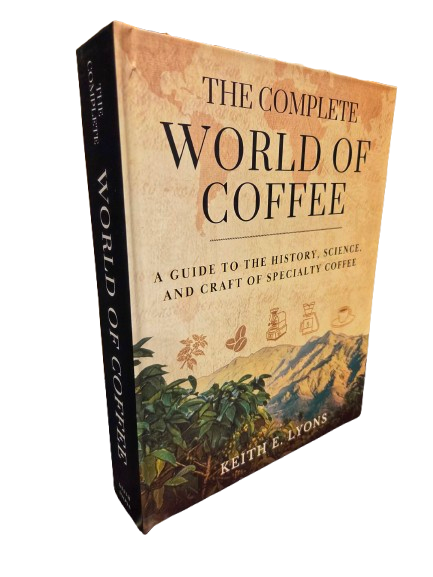
The Complete World of Coffee: The History, Science, and Craft of Specialty Coffee
615 pages
The Complete World of Coffee: The History, Science, and Craft of Specialty Coffee
615 pages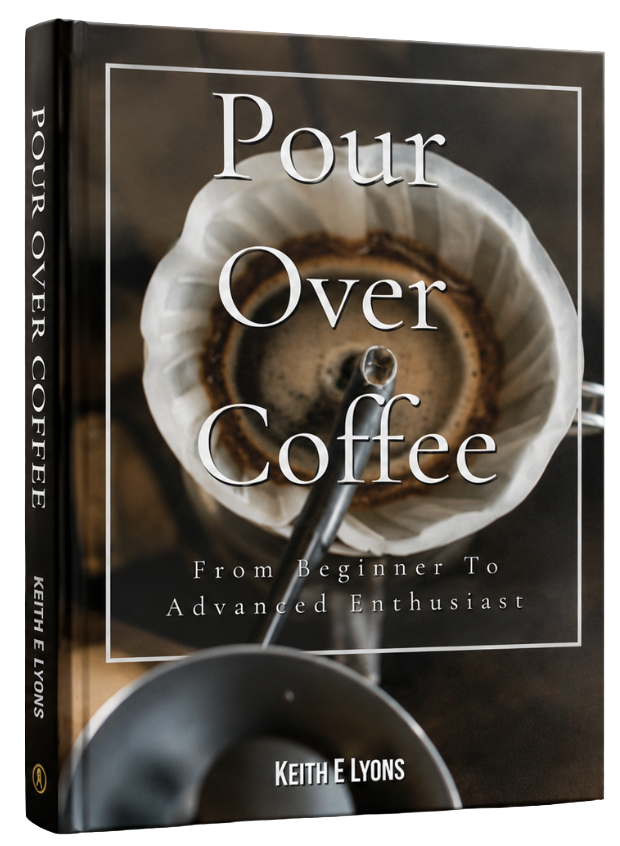
Pour Over Coffee
103 pages
Pour Over Coffee: From Beginner to Advanced Enthusiast
103 pagesKnowledge Tree
Every page in this hub (18 total), organized by content type.
Explore Further
Ready to go deeper? These resources cover advanced topics.
Other Topic Hubs

Curated by
Keith E. Lyons
Specialty coffee author, educator, and founder of Lyons Den Publishing. Author of The Complete World of Coffee, a 615-page guide to coffee origins, brewing science, and sensory education.
Learn more about Keith E. Lyons →