Topic Hub
Espresso
Espresso is coffee's most concentrated and technically demanding form: a small volume of intense, syrupy liquid extracted under pressure. This hub connects resources on espresso technique, equipment, and science.
Overview
Espresso is brewed by forcing hot water through finely ground coffee at approximately 9 bars of pressure, producing a concentrated shot in 25 to 30 seconds. The pressure creates a unique emulsion of oils and dissolved solids topped with crema, the golden foam that distinguishes espresso from other brewing methods.
The key variables for espresso are dose (grams of coffee), yield (grams of liquid output), and time (seconds of extraction). These form the 'espresso recipe' that baristas dial in for each coffee. Adjusting grind size is the primary way to control extraction time.
Espresso is the foundation for milk-based drinks including cappuccino, latte, flat white, and macchiato. Steaming milk to the right temperature and texture is a skill in itself, requiring practice to create microfoam that integrates seamlessly with the espresso.
Start Here
New to espresso? Begin with these resources.
Essential Resources
What Is Crema?
The golden emulsion that defines a well-pulled espresso shot and what it reveals about extraction.
The History of the Espresso Machine
From Gaggia's 1948 lever machine to modern pressure profiling — how espresso came to be.
The Americano Ratio Guide
Hot water to espresso ratios for a balanced, full-bodied americano.
Espresso Machines Explained
How espresso machines work, and the differences between domestic and commercial models.
Latte Art Pour Guide
Milk texturing and pouring technique for heart, rosetta, and tulip patterns.
From The Complete World of Coffee
- Chapter 9: Espresso
Popular Guides
Most-visited pages in this topic area.
Flair Espresso Maker
The <a href="/brewing-methods/rok-espresso">Flair</a> <a href="/brewing-methods/espresso">Espresso</a> Maker is a manual lever <a href="/coffee-encyclopedia/basket">espresso</a> machine that produces true <a href="/coffee-encyclopedia/espresso-extraction">espresso</a> (9 bar <a href="/coffee-encyclopedia/pre-infusion">pressure</a>) without electricity. Using a hand-operated lever, the brewer generates the pressure needed to force hot water through finely <a href="/coffee-encyclopedia/puck">ground</a> coffee, producing a rich, concentrated shot with crema. The Flair is popular among home <a href="/coffee-encyclopedia/espresso-machine">espresso</a> enthusiasts for its affordability, portability, and quality.
PressureRok Espresso Maker
The Rok <a href="/brewing-methods/espresso">Espresso</a> Maker (formerly known as the Presso) is a manual lever <a href="/coffee-science/pressure-and-espresso">espresso machine</a> that uses two arms to generate <a href="/coffee-encyclopedia/pre-infusion">pressure</a>. Unlike the <a href="/brewing-methods/flair-espresso">Flair</a>'s single lever, the Rok uses a dual-arm design that provides mechanical advantage and a different pressure profile. It produces genuine <a href="/coffee-encyclopedia/espresso-extraction">espresso</a> without electricity and is known for its distinctive industrial design.
PressureBialetti Brikka
The Bialetti Brikka is a modified <a href="/brewing-methods/moka-pot">Moka pot</a> designed to <a href="/coffee-science/crema-formation-chemistry">produce</a> a coffee with authentic <a href="/brewing-methods/espresso">espresso</a>-like <a href="/coffee-encyclopedia/crema">crema</a>. Its <a href="/coffee-science/pressure-and-espresso">unique</a> pressure valve system delays the release of coffee until sufficient pressure builds, creating a creamier, more concentrated brew than a <a href="/coffee-encyclopedia/tamping">standard</a> Moka pot. It bridges the gap between stovetop Moka coffee and true <a href="/coffee-encyclopedia/espresso-extraction">espresso</a>.
PressureMoka Pot
The moka pot is a stovetop coffee <a href="/coffee-science/pressure-and-espresso">brewing</a> device that uses steam pressure to force hot <a href="/coffee-encyclopedia/extraction">water</a> through <a href="/coffee-encyclopedia/tamping">ground</a> coffee. Invented in 1933, it is an iconic <a href="/brewing-methods/neapolitan-flip-pot">Italian</a> household <a href="/brewing-methods/espresso">brewing</a> method. It produces a strong, <a href="/brewing-methods/bialetti-brikka">espresso</a>-like coffee without the pressure or precision of a true <a href="/coffee-encyclopedia/espresso-machine">espresso machine</a>.
PressureEspresso
<a href="/coffee-science/pressure-and-espresso">Espresso</a> is a concentrated coffee brewing method where hot water is forced through finely-<a href="/coffee-encyclopedia/tamping">ground</a> coffee under high <a href="/coffee-encyclopedia/pre-infusion">pressure</a> (9 bar). It <a href="/brewing-methods/flair-espresso">produces</a> a small, intense shot with a thick layer of <a href="/coffee-encyclopedia/crema">crema</a>. <a href="/coffee-encyclopedia/espresso-machine">Espresso</a> is the foundation of cafe beverages like cappuccino, latte, and flat white.
PressureAeroPress
The <a href="/coffee-science/acids-in-coffee">AeroPress</a> is a versatile, portable <a href="/coffee-science/emulsions-in-coffee">brewing</a> device that combines immersion and <a href="/coffee-science/crema-formation-chemistry">pressure</a>. Invented in 2005, it uses a plunger to <a href="/coffee-competitions/world-coffee-in-good-spirits-championship">create</a> air <a href="/coffee-science/pressure-and-espresso">pressure</a> that forces coffee through a paper <a href="/coffee-science/sugars-and-carbohydrates">filter</a>. It is known for producing a <a href="/coffee-competitions/world-latte-art-championship">clean</a>, smooth cup quickly and is popular among travelers and <a href="/coffee-organizations/specialty-coffee-association">competition</a> baristas alike.
Recently Updated
Fresh content and latest revisions.
Beginner Guides
Start here if you're new to espresso.
Weiss Distribution Technique
The Weiss Distribution Technique (WDT) utilizes ultra-thin needles to declump electrostatic coffee grounds and declutter spatial density variations inside the basket. Pioneered by computer scientist John Weiss, this method has transformed specialty espresso extraction. Discover the fluid dynamic benefits and optimal needle geometry for perfect WDT execution.
EspressoEspresso Tamping Pressure
For decades, baristas believed that tamping with exactly 30 pounds of force was essential for espresso quality. Modern extraction physics proves that once the air pockets between coffee particles are fully compressed, additional force has zero impact on flow rate. Learn why levelness and mechanical repeatability surpass force in importance.
EspressoSteam Wand Milk Texturing
Creating glossy, velvety microfoam for latte art is an exercise in applied fluid dynamics and milk protein biochemistry. Injecting air introduces micro-bubbles that are immediately sheared and stabilized by whey proteins and casein micelles during heating. Master steam tip placement, vortex rolling, and thermal thresholds.
ComparisonSingle Origin Vs Blend Coffee
Single origin coffee highlights the unadulterated flavor profile of a specific farm, region, and microclimate, emphasizing distinct seasonal acidity and origin characteristics. Coffee blends artfully combine beans from multiple origins to achieve year-round flavor consistency, balance, and rich espresso crema performance.
EspressoPressure Profiling Espresso
Flat 9-bar pressure extractions are a historic compromise of fixed rotary pumps. Advanced pressure profiling modulates hydraulic pressure dynamically throughout the shot, mimicking traditional lever machines by tapering pressure as the coffee bed dissolves. Discover how variable pressure profiles enhance mouthfeel and sweetness.
EspressoPre-Infusion Espresso
Pre-infusion is the controlled wetting of the coffee bed at low line pressure (1 to 3 bar) prior to applying full 9-bar extraction pressure. This initial phase gently hydrates coffee cell structures, causes particle swelling, and stabilizes puck geometry against hydraulic shock. Examine the physics of low-pressure puck saturation.
ComparisonMoka Pot Vs AeroPress
The Moka pot and AeroPress are compact manual brewers capable of creating intense, espresso-style coffee concentrates. The Moka pot uses steam pressure (~1.5 bar) generated in a metal boiler to force boiling water upward through fine coffee grounds. The AeroPress uses air compression (~0.7 bar) through a paper filter, delivering cleaner flavor and flexible temperature control.
ComparisonMoka Pot Vs Espresso Machine
While often termed 'stovetop espresso,' the Moka pot brews at roughly 1.5 bars of pressure, compared to the 9 bars of true pump espresso machines. This guide explores the distinct taste profiles and thermodynamics of both methods.
EspressoLungo Shot Guide
A lungo ('long') shot extends extraction out to a brew ratio of 1:3 to 1:4. By passing additional hot water through the coffee bed, high total solubles yield is achieved, unlocking subtle floral and origin notes that short extractions leave behind. Discover how to balance high yields without introducing harsh astringency.
Advanced Guides
Technical deep-dives for experienced readers.
Flair Espresso Maker
The <a href="/brewing-methods/rok-espresso">Flair</a> <a href="/brewing-methods/espresso">Espresso</a> Maker is a manual lever <a href="/coffee-encyclopedia/basket">espresso</a> machine that produces true <a href="/coffee-encyclopedia/espresso-extraction">espresso</a> (9 bar <a href="/coffee-encyclopedia/pre-infusion">pressure</a>) without electricity. Using a hand-operated lever, the brewer generates the pressure needed to force hot water through finely <a href="/coffee-encyclopedia/puck">ground</a> coffee, producing a rich, concentrated shot with crema. The Flair is popular among home <a href="/coffee-encyclopedia/espresso-machine">espresso</a> enthusiasts for its affordability, portability, and quality.
PressureRok Espresso Maker
The Rok <a href="/brewing-methods/espresso">Espresso</a> Maker (formerly known as the Presso) is a manual lever <a href="/coffee-science/pressure-and-espresso">espresso machine</a> that uses two arms to generate <a href="/coffee-encyclopedia/pre-infusion">pressure</a>. Unlike the <a href="/brewing-methods/flair-espresso">Flair</a>'s single lever, the Rok uses a dual-arm design that provides mechanical advantage and a different pressure profile. It produces genuine <a href="/coffee-encyclopedia/espresso-extraction">espresso</a> without electricity and is known for its distinctive industrial design.
PressureBialetti Brikka
The Bialetti Brikka is a modified <a href="/brewing-methods/moka-pot">Moka pot</a> designed to <a href="/coffee-science/crema-formation-chemistry">produce</a> a coffee with authentic <a href="/brewing-methods/espresso">espresso</a>-like <a href="/coffee-encyclopedia/crema">crema</a>. Its <a href="/coffee-science/pressure-and-espresso">unique</a> pressure valve system delays the release of coffee until sufficient pressure builds, creating a creamier, more concentrated brew than a <a href="/coffee-encyclopedia/tamping">standard</a> Moka pot. It bridges the gap between stovetop Moka coffee and true <a href="/coffee-encyclopedia/espresso-extraction">espresso</a>.
PressureMoka Pot
The moka pot is a stovetop coffee <a href="/coffee-science/pressure-and-espresso">brewing</a> device that uses steam pressure to force hot <a href="/coffee-encyclopedia/extraction">water</a> through <a href="/coffee-encyclopedia/tamping">ground</a> coffee. Invented in 1933, it is an iconic <a href="/brewing-methods/neapolitan-flip-pot">Italian</a> household <a href="/brewing-methods/espresso">brewing</a> method. It produces a strong, <a href="/brewing-methods/bialetti-brikka">espresso</a>-like coffee without the pressure or precision of a true <a href="/coffee-encyclopedia/espresso-machine">espresso machine</a>.
PressureEspresso
<a href="/coffee-science/pressure-and-espresso">Espresso</a> is a concentrated coffee brewing method where hot water is forced through finely-<a href="/coffee-encyclopedia/tamping">ground</a> coffee under high <a href="/coffee-encyclopedia/pre-infusion">pressure</a> (9 bar). It <a href="/brewing-methods/flair-espresso">produces</a> a small, intense shot with a thick layer of <a href="/coffee-encyclopedia/crema">crema</a>. <a href="/coffee-encyclopedia/espresso-machine">Espresso</a> is the foundation of cafe beverages like cappuccino, latte, and flat white.
PressureAeroPress
The <a href="/coffee-science/acids-in-coffee">AeroPress</a> is a versatile, portable <a href="/coffee-science/emulsions-in-coffee">brewing</a> device that combines immersion and <a href="/coffee-science/crema-formation-chemistry">pressure</a>. Invented in 2005, it uses a plunger to <a href="/coffee-competitions/world-coffee-in-good-spirits-championship">create</a> air <a href="/coffee-science/pressure-and-espresso">pressure</a> that forces coffee through a paper <a href="/coffee-science/sugars-and-carbohydrates">filter</a>. It is known for producing a <a href="/coffee-competitions/world-latte-art-championship">clean</a>, smooth cup quickly and is popular among travelers and <a href="/coffee-organizations/specialty-coffee-association">competition</a> baristas alike.
Related Books
Books from Lyons Den Publishing.

The Complete World of Coffee: The History, Science, and Craft of Specialty Coffee
615 pages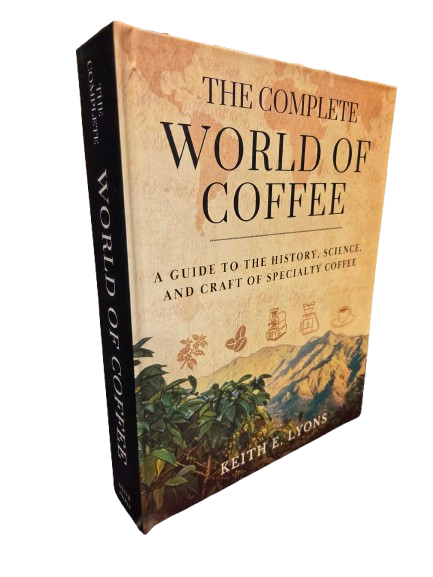
The Complete World of Coffee: The History, Science, and Craft of Specialty Coffee
615 pages
The Complete World of Coffee: The History, Science, and Craft of Specialty Coffee
615 pages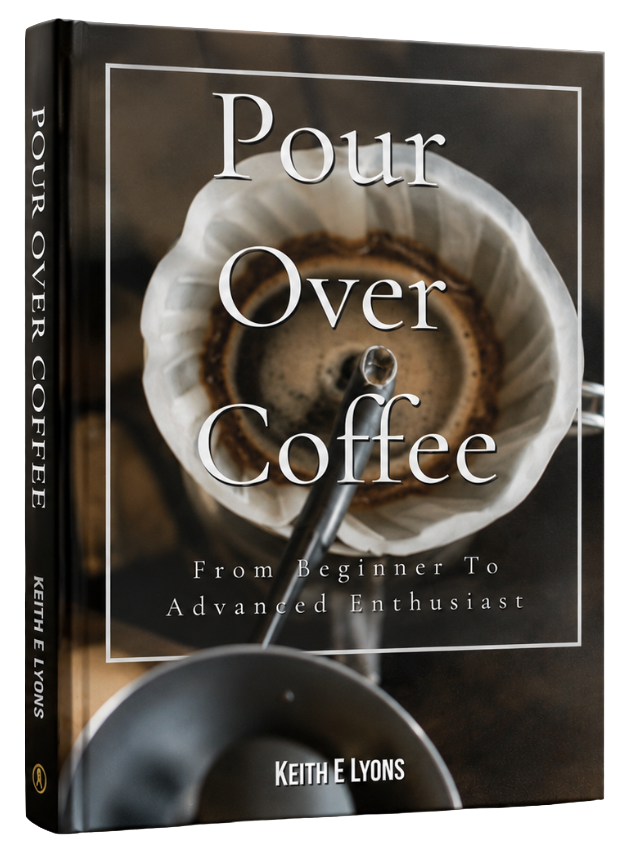
Pour Over Coffee
103 pages
Pour Over Coffee: From Beginner to Advanced Enthusiast
103 pagesKnowledge Tree
Every page in this hub (51 total), organized by content type.
Explore Further
Ready to go deeper? These resources cover advanced topics.
Other Topic Hubs

Curated by
Keith E. Lyons
Specialty coffee author, educator, and founder of Lyons Den Publishing. Author of The Complete World of Coffee, a 615-page guide to coffee origins, brewing science, and sensory education.
Learn more about Keith E. Lyons →